
Hiring a personal trainer can be worth it when you want a safer, more focused, and more accountable way to reach your fitness goals. The value is not just in having someone count reps; it is in getting a plan that fits your body, schedule, experience level, and motivation style. For many people, the right coach helps turn vague intentions into repeatable habits.
Is hiring a personal trainer worth it in St. George, Utah?
Yes, hiring a personal trainer can be worth it in St. George, Utah, especially if you want guidance that fits your local lifestyle, whether that means building strength for hiking, staying consistent through hot summer months, improving general health, or getting back into exercise after time away. If you have searched “Is hiring a personal trainer worth it? (St. George, Utah),” the real answer depends on your goals, your current confidence in the gym, and whether you are getting results on your own.
A trainer is most valuable when you need more than a generic workout. St. George offers plenty of reasons to stay active, from outdoor recreation to year-round fitness goals, but access to activity does not automatically create a smart training plan. A personal trainer can help you connect your workouts to the way you actually live, move, and recover.
That does not mean everyone needs one forever. Some people hire a trainer for a few sessions to learn proper form, while others prefer ongoing coaching for accountability. The best choice is the one that gives you better consistency, safer movement, and a clearer path forward.
The real value behind personal trainer benefits
The most talked-about personal trainer benefits often sound simple: accountability, motivation, and better workouts. Those are real, but they only scratch the surface. The deeper value is that a good trainer helps remove guesswork.
Many people struggle because they do not know whether they should lift heavier, do more cardio, train less, change exercises, or simply be more consistent. A trainer helps organize those decisions. Instead of hopping between random workouts, you follow a plan with a purpose.
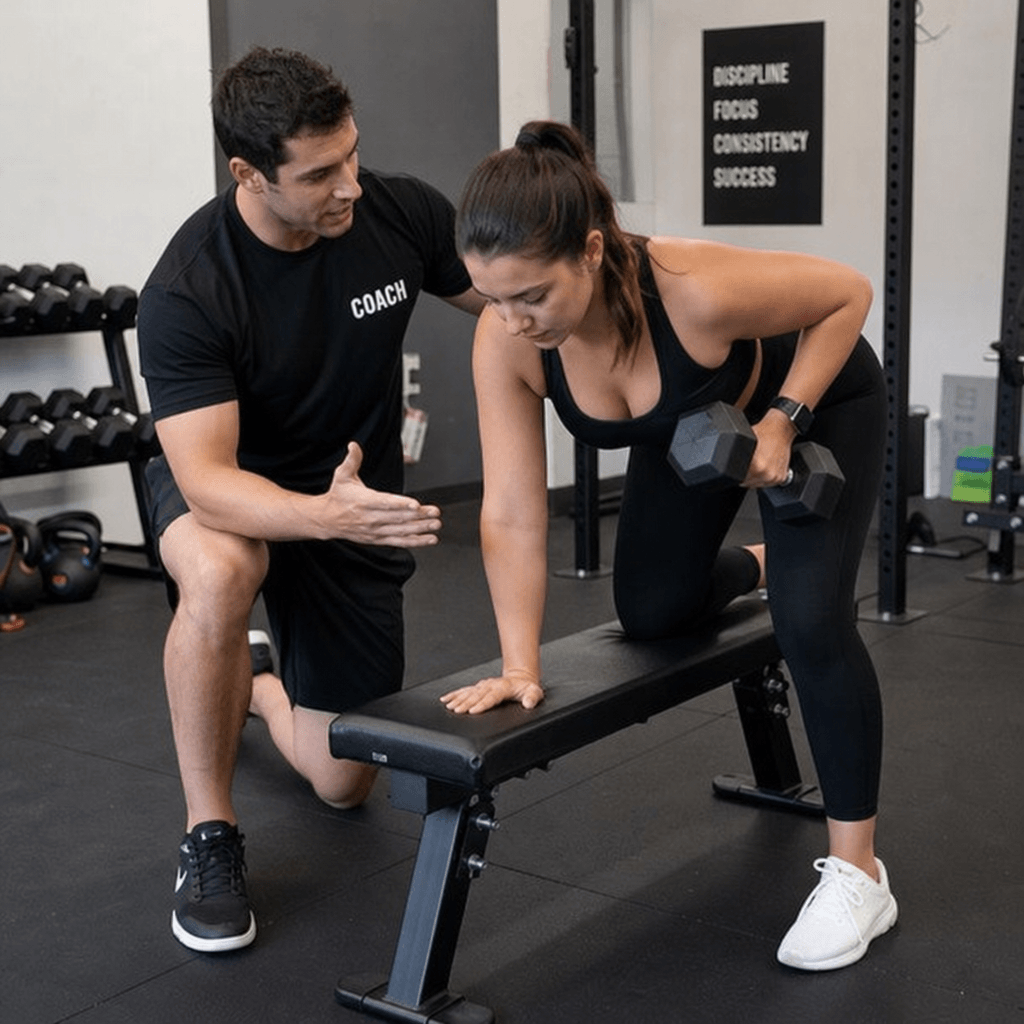
The benefits of a personal trainer are also practical. You have someone watching how you move, adjusting exercises when something feels wrong, and helping you understand what progress should look like. That kind of feedback can be difficult to get from an app, video, or online workout plan.
What are the biggest benefits of hiring a personal trainer?
The biggest benefits of hiring a personal trainer are structure, accountability, safety, personalization, and support. A trainer helps you train with intention instead of guessing, which can make each workout more productive and easier to stick with over time.
Here are the benefits of personal trainer support that matter most for everyday clients:
A plan built around your goal: Your workouts should look different depending on whether you want fat loss, strength, mobility, endurance, muscle gain, or general wellness.
Better exercise form: Small technique changes can make movements feel better and work the right muscles more effectively.
Accountability that feels personal: It is often easier to show up when someone knows your goals and expects you to be there.
Appropriate progression: A trainer can help you increase difficulty gradually instead of doing too much too soon or staying stuck at the same level.
Exercise modifications: If an exercise bothers your knees, shoulders, back, or wrists, a trainer can usually offer a safer variation.
More confidence in the gym: Knowing what to do, how to set up equipment, and how hard to push can reduce the intimidation factor.
Support through plateaus: When progress slows, a trainer can help adjust your routine instead of letting frustration take over.
These benefits of training with a personal trainer are especially helpful if you have started and stopped before. Most people do not fail because they lack willpower. They struggle because their plan does not fit their life, their body, or their current ability level.
A trainer turns goals into a workable plan
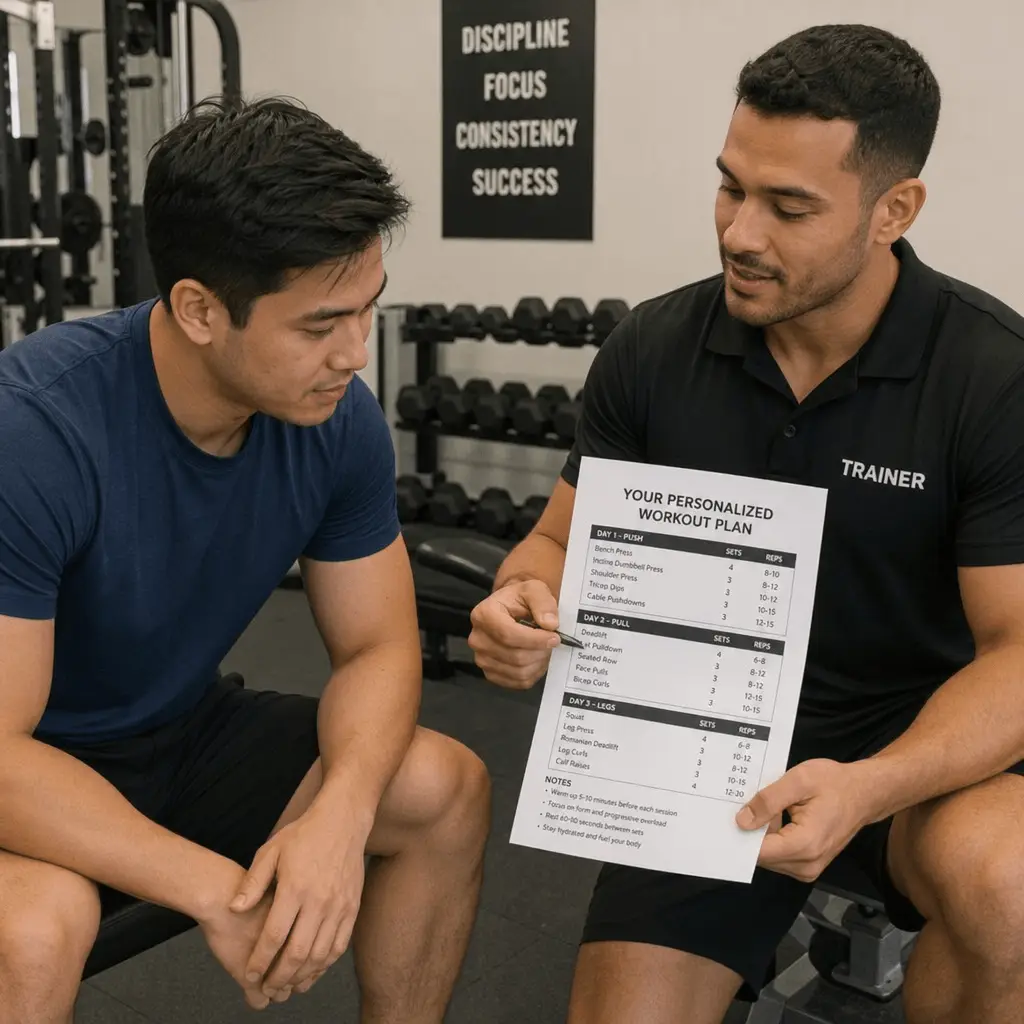
Fitness goals are often easy to name but hard to translate into action. “I want to get stronger” or “I want to feel healthier” is a good start, but it does not tell you how many days to train, which exercises to choose, how to warm up, or when to change the plan. A personal trainer turns that goal into a weekly structure.
For example, someone who wants to build strength may need a program centered on progressive resistance training, adequate rest, and good technique. Someone returning after a long break may need shorter sessions, lighter intensity, and confidence-building wins. Someone training for outdoor activities may need leg strength, core stability, balance, and conditioning.
This is where the benefits of hiring a personal trainer become clear. The trainer is not just giving you exercises; they are choosing the right exercises for the right reason. That can save time, reduce frustration, and help you feel more in control of your progress.
Accountability changes how you show up
Most people know consistency matters. The hard part is staying consistent when life gets busy, motivation fades, or progress feels slow. A trainer adds a layer of accountability that can make exercise feel less optional.
Accountability does not have to mean pressure or guilt. A good trainer helps you stay honest while still being realistic. If you miss a session, they help you restart. If your schedule changes, they help adjust. If you feel discouraged, they help you focus on what is still working.
That support can be one of the most underrated benefits of a personal trainer. You are not left to interpret every bad workout as failure. You have someone helping you see the bigger picture and continue moving forward.
Safety and form are worth taking seriously
One of the strongest benefits of training with a personal trainer is learning how to move well. Exercise should challenge you, but it should not leave you guessing whether you are doing something correctly. This matters for beginners, but it also matters for experienced exercisers who may have developed habits that limit progress.
A trainer can watch your posture, range of motion, tempo, breathing, and control. They can also help you understand the difference between normal muscle fatigue and discomfort that needs attention. That kind of coaching is difficult to replace with a mirror or a short online clip.
Good form also helps you get more from each exercise. A squat, row, lunge, press, or deadlift variation can feel completely different when your setup and technique improve. Better movement can make training more efficient and more enjoyable.
How to know if a personal trainer is right for you?
A personal trainer is right for you if you want expert guidance, struggle with consistency, feel unsure in the gym, have a specific goal, or need a plan that adapts to your body and lifestyle. You may not need a trainer forever, but you may benefit from one during the season when you need direction most.
Consider hiring a trainer if any of these sound familiar:
You keep starting over. You get motivated, work out for a few weeks, then stop because the routine is too hard, too boring, or too unclear.
You are not seeing results. You are putting in effort, but your strength, energy, body composition, or performance is not changing the way you expected.
You feel unsure about equipment. You want to use weights, machines, or functional training tools but do not know where to begin.
You have a specific event or activity in mind. You want to prepare for hiking, sports, travel, a race, or simply a more active lifestyle.
You need modifications. You have limitations, discomfort, past setbacks, or confidence barriers that make standard workouts feel unrealistic.
You want better habits. You need someone to help you build a routine that works beyond the first burst of motivation.
On the other hand, you may not need frequent personal training if you already have a solid program, good technique, and consistent progress. In that case, an occasional check-in may be enough.
The benefits go beyond the workout session
The best training relationships often influence what happens outside the gym. A trainer may help you think differently about recovery, sleep, warm-ups, daily movement, and realistic goal-setting. While a personal trainer is not a substitute for medical or nutrition professionals, they can help you build routines that support your fitness plan.
This is important because your workout is only one part of your progress. If you train hard but never recover, your results may suffer. If your goals are too extreme, you may burn out. If your plan does not match your schedule, you may quit before it has a chance to work.
A good trainer helps you build momentum in a sustainable way. That may mean starting with two workouts per week instead of five, choosing exercises you can perform confidently, or tracking progress in ways that go beyond the scale.
What about the benefits of being a personal trainer?
The benefits of being a personal trainer can also help explain why the client experience can be so valuable. Trainers often choose the field because they enjoy coaching, problem-solving, teaching movement, and helping people build confidence. When a trainer is genuinely invested in those parts of the work, clients feel the difference.
From the client side, this matters because fitness is personal. You are not just buying a workout; you are trusting someone with your time, effort, insecurities, and goals. A trainer who enjoys helping people learn will usually explain the “why” behind the plan, not just tell you what to do.
The best trainer-client relationships are collaborative. You bring your goals, feedback, and effort. The trainer brings structure, coaching, and adjustments. Together, you build a process that feels challenging but possible.
How to get the most from personal training
Hiring a trainer is not a magic shortcut. You still have to show up, communicate honestly, and practice the habits that support your goals. The more engaged you are, the more value you are likely to get.
Use this checklist to make your training experience more effective:
Be clear about your goal. Instead of saying “I want to get fit,” explain what that means to you: more energy, more strength, weight loss, better mobility, or improved confidence.
Share your history. Tell your trainer about injuries, discomfort, past routines, preferences, and what has or has not worked before.
Ask questions. Understanding why you are doing an exercise can make you more confident and consistent.
Be honest about your schedule. A realistic plan you can follow beats an ideal plan you abandon.
Track more than weight. Strength, stamina, mood, sleep, measurements, and daily energy can all show progress.
Give feedback. If an exercise feels awkward, painful, too easy, or too difficult, say so. Adjustments are part of good coaching.
Practice between sessions. The benefits of a personal trainer grow when you apply what you learn outside your appointments.
The goal is not to become dependent on a trainer for every workout. The goal is to become more capable, confident, and consistent.
Common mistakes when choosing a trainer
Not every trainer will be the right fit for every person. Personality, communication style, training philosophy, and experience with your type of goal all matter. Choosing someone only because they look fit or post impressive workouts online can lead to a mismatch.
Avoid these common mistakes:
Choosing a trainer without discussing your goals first
Ignoring how comfortable you feel asking questions
Assuming harder workouts are always better workouts
Staying silent when something hurts or feels wrong
Expecting instant results from a long-term process
Picking a plan that does not fit your actual schedule
A good trainer should be able to explain the plan in a way that makes sense. You should feel challenged, but not dismissed. You should also feel like the program is being built for you, not copied and pasted from someone else’s routine.
Personal training is an investment in clarity
When people ask whether personal training is worth the cost, they are often really asking whether it will make a meaningful difference. The answer depends on what you need. If you already know exactly what to do and you consistently do it, the value may be limited. If you are confused, inconsistent, nervous, or stuck, the value can be significant.
Think of personal training as an investment in clarity. You are paying for guidance, feedback, structure, and accountability. Those things can help you avoid wasted effort and build skills that stay with you.
The benefits of personal trainer support are not only physical. Many people also gain confidence, independence, and a better understanding of their own bodies. That can change the way you approach fitness for years to come.
FAQ
How often should I meet with a personal trainer?
It depends on your goals, budget, experience, and need for accountability. Some people meet once a week and train independently between sessions, while others prefer two or three sessions per week for more support. If you are new to exercise, starting with more frequent coaching can help you learn proper form and build confidence faster.
Can beginners work with a personal trainer?
Yes. Beginners are often some of the best candidates for personal training because they can learn safe technique, gym basics, and realistic pacing from the start. A good trainer should meet you where you are, not expect you to arrive already fit.
Is personal training only for weight loss?
No. Weight loss is one possible goal, but personal training can also support strength, mobility, endurance, balance, confidence, general health, and better performance in daily activities. Many clients hire trainers because they want to feel stronger and more capable, not just change a number on the scale.
How long does it take to see results?
Results vary based on consistency, training frequency, lifestyle, recovery, nutrition, starting point, and goals. Some people notice better energy, confidence, or movement quality first. Strength, endurance, and body composition changes usually require steady effort over time.
Stop Wasting Time on Workouts That Don't Get Results
Hiring a personal trainer isn’t just an expense; it’s an investment in fast-tracking your fitness, avoiding injury, and staying consistently accountable to your goals. Whether you’re struggling to break through a plateau, learning proper form, or simply tired of guessing what to do in the gym, a dedicated coach provides a personalized roadmap built specifically for your body and lifestyle. You don’t have to navigate your fitness journey through trial and error. Contact us today to schedule a free initial consultation and discover how working with a certified personal trainer can transform your results.