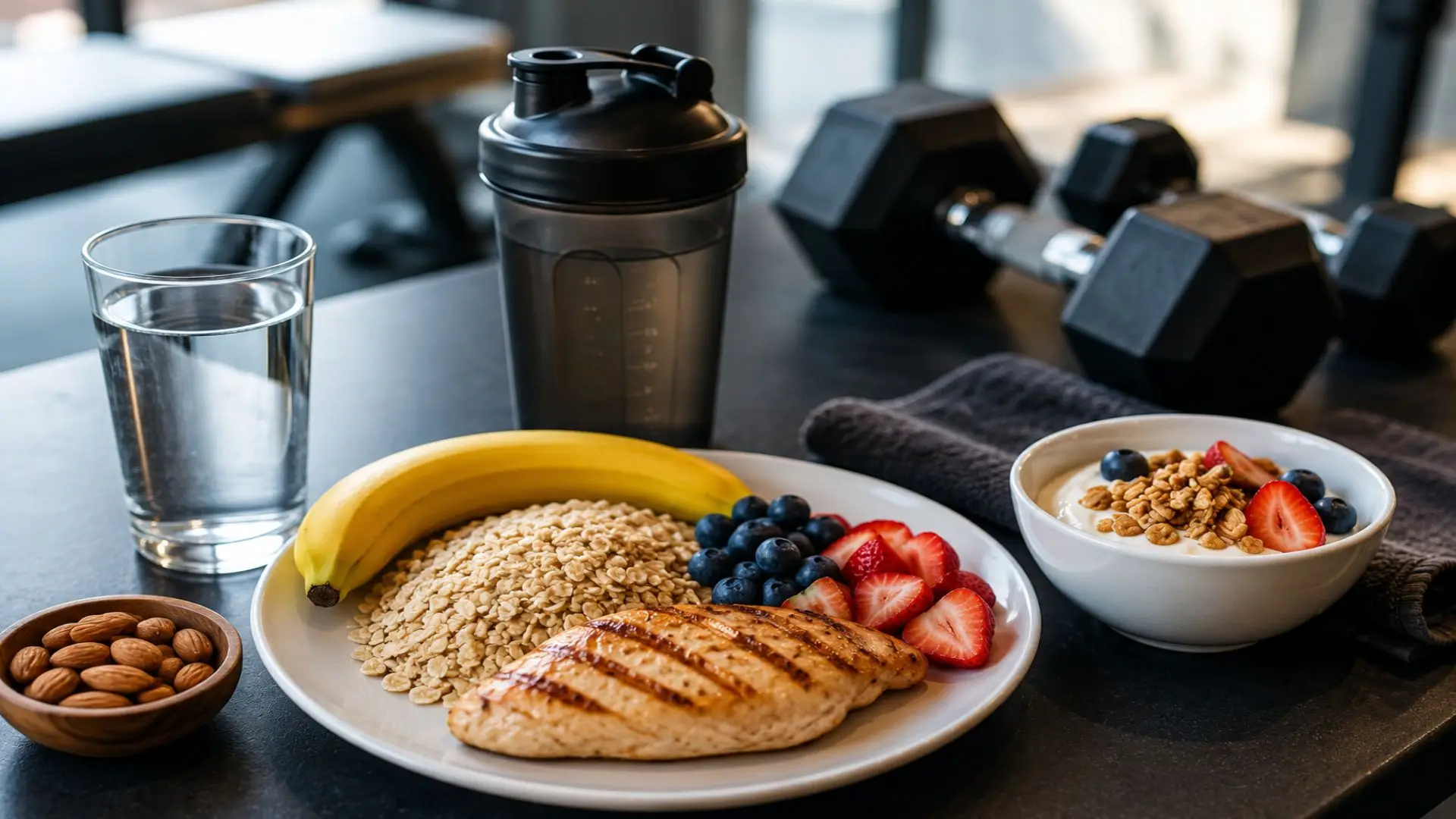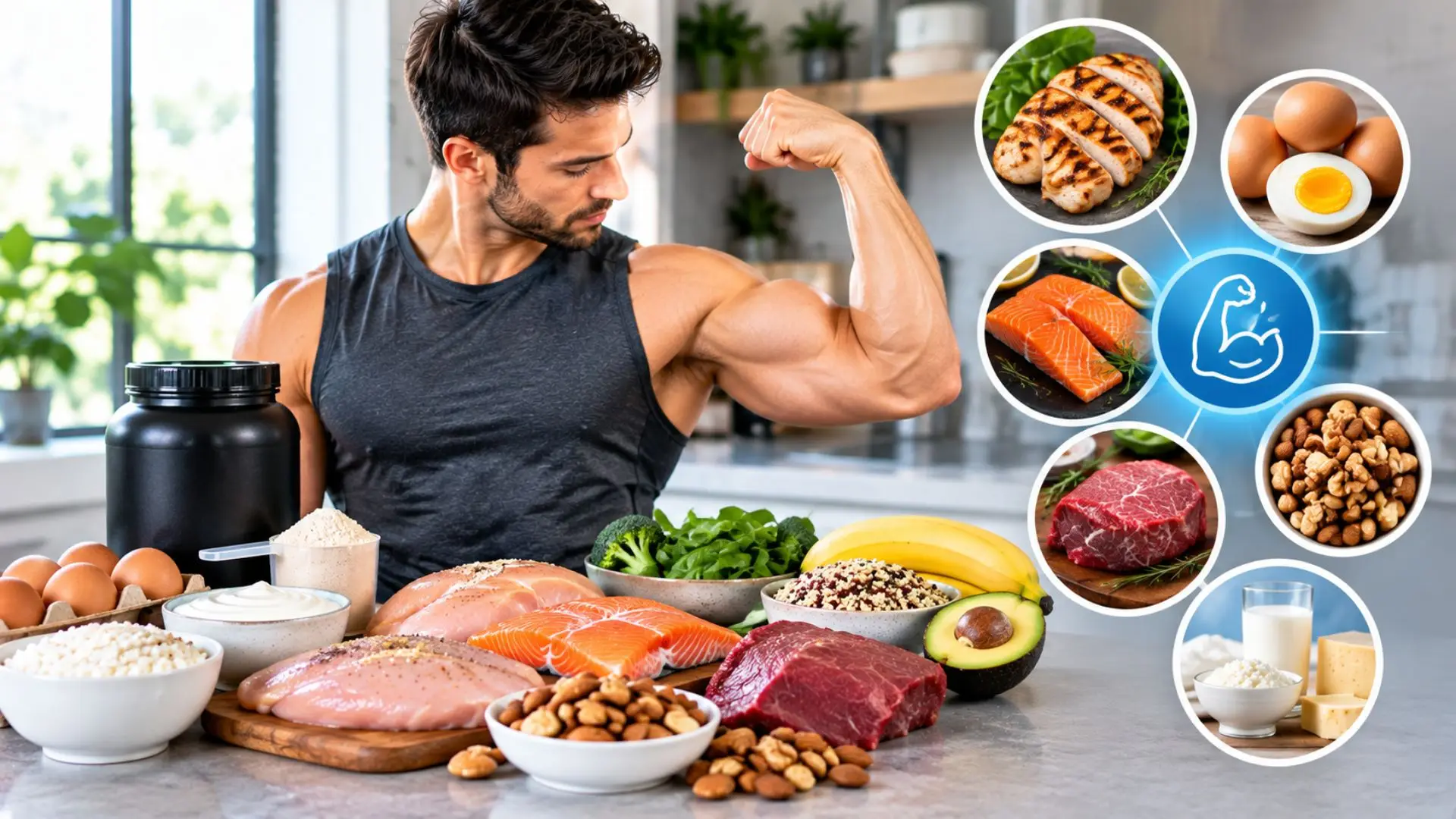
Building muscle quickly starts with a simple idea: train consistently, eat enough total food, and make protein-rich foods a regular part of every day. The best foods for building muscle are not exotic or complicated; they are dependable staples like eggs, lean meats, fish, Greek yogurt, beans, tofu, whole grains, fruit, and healthy fats. Whether you are training at home, lifting at a gym, or building a routine in St. George, Utah, the right muscle gain diet helps your body recover, adapt, and grow.
What foods help build muscle quickly?
The foods that help build muscle quickly are foods that provide enough protein, carbohydrates, calories, vitamins, minerals, and fluids to support hard training and recovery. Protein supplies the building blocks your muscles need, while carbohydrates fuel workouts and help replenish energy afterward. Healthy fats, fruits, vegetables, and hydration round out muscle growth nutrition by supporting hormones, digestion, and overall performance.
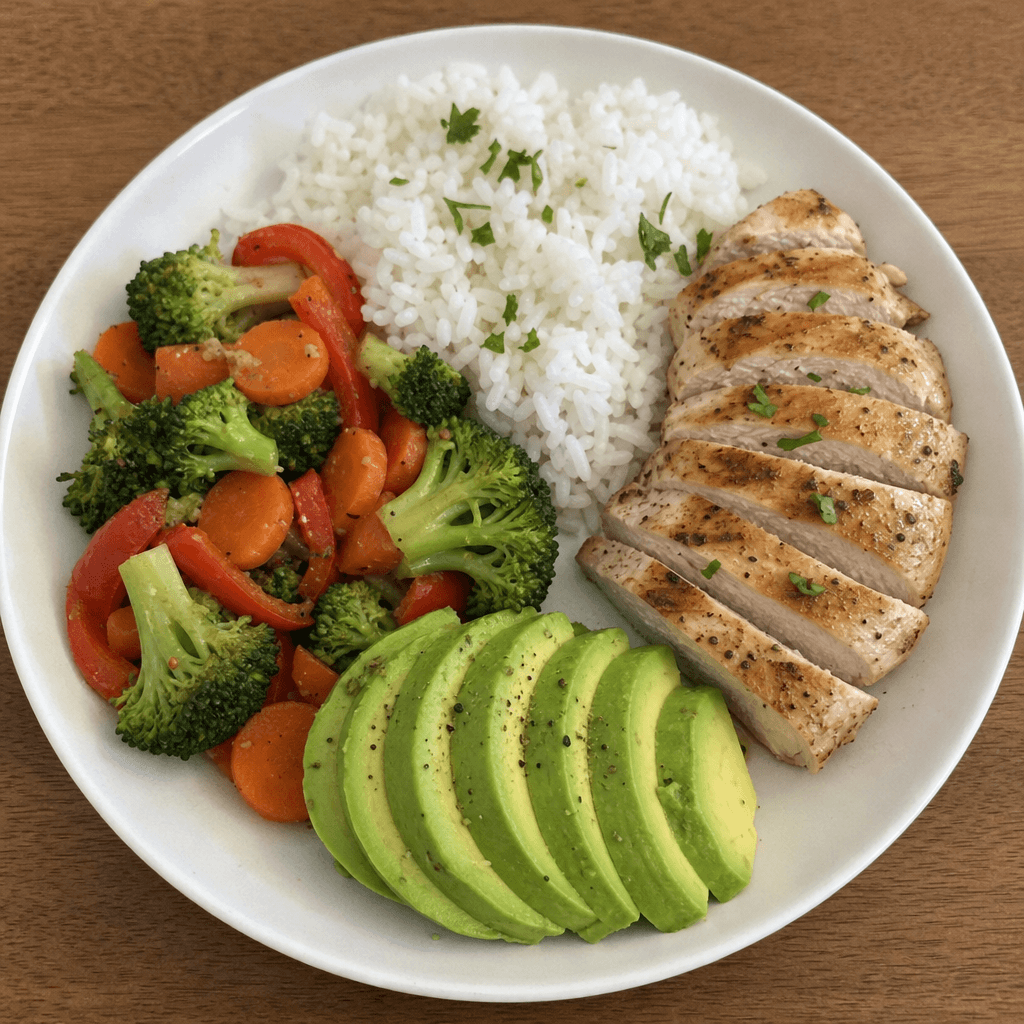
The fastest results usually come from a consistent pattern rather than one “perfect” food. A strong plate might include grilled chicken, rice, vegetables, olive oil, and fruit; another might include eggs, oats, Greek yogurt, and berries. The key is to repeat muscle-building meals often enough that your body has the resources to repair and grow after training.
The foundation of muscle growth nutrition
Muscle growth happens when training creates a reason for the body to adapt, and nutrition provides the materials for that adaptation. If you lift hard but under-eat, recovery can stall. If you eat plenty but do not train progressively, the extra food may not turn into the results you want.
A practical muscle-building nutrition plan includes:
Protein at most meals: Choose eggs, poultry, fish, lean beef, Greek yogurt, cottage cheese, tofu, tempeh, lentils, beans, or protein powder if needed.
Carbohydrates around training: Use oats, rice, potatoes, pasta, whole-grain bread, fruit, or tortillas to fuel strong sessions.
Healthy fats daily: Include avocado, olive oil, nuts, seeds, nut butter, and fatty fish in reasonable portions.
Colorful produce: Add vegetables and fruits for fiber, potassium, magnesium, antioxidants, and overall meal quality.
Enough total calories: Building muscle is harder when you consistently eat less than your body needs.
Fluids and electrolytes: Hydration matters, especially if you train in hot, dry climates like southern Utah.
This approach is flexible. You do not need to eat like a professional athlete to gain muscle, but you do need structure. Start by improving one meal at a time, then build a repeatable rhythm you can follow on busy days.
Protein-rich foods that support muscle repair
Protein-rich foods are the center of most muscle-building foods lists because they provide amino acids, the raw materials your body uses to repair and build tissue. For many people, it is easier to hit protein needs by spreading intake across breakfast, lunch, dinner, and one snack instead of trying to eat most of it at night.
High protein foods for muscle building include both animal and plant-based options. Animal proteins are often dense and convenient, while plant proteins bring fiber, minerals, and variety. If you eat mostly plant-based, combining different sources throughout the day can help you cover your needs.
Strong protein choices include:
Eggs: Easy at breakfast, in rice bowls, or as a quick snack.
Chicken and turkey: Lean, versatile, and simple to meal prep.
Lean beef or bison: Useful for protein, iron, zinc, and hearty meals.
Salmon, tuna, and other fish: Protein plus beneficial fats, especially from fatty fish.
Greek yogurt and cottage cheese: Convenient options for snacks, smoothies, or breakfast bowls.
Milk or fortified soy milk: Easy to add to meals or post-workout smoothies.
Tofu, tempeh, and edamame: Excellent plant-based foods for muscle building.
Beans, lentils, and chickpeas: Affordable, filling, and useful in bowls, soups, wraps, and salads.
Protein powder: Helpful when whole foods are not convenient, but not required.
The best protein choice is often the one you will actually eat consistently. If chicken and rice bores you, rotate salmon bowls, turkey tacos, lentil curry, egg scrambles, tofu stir-fry, and yogurt parfaits.
Carbohydrates make hard training possible
Carbohydrates sometimes get overlooked in a muscle gain diet, but they are essential for people who want to train with intensity. Heavy lifting, sprint intervals, sports, and challenging workouts all rely on stored carbohydrate for energy. If your meals are too low in carbs, you may feel flat, struggle to add weight, or recover slowly.
Good carbohydrate choices for muscle building include oats, rice, potatoes, sweet potatoes, pasta, quinoa, whole-grain bread, tortillas, cereal, fruit, beans, and lentils. Faster-digesting options like bananas, applesauce, toast, or a small bowl of cereal can be helpful before training when you do not want a heavy meal.
Carbs also make meals easier to sustain. A bowl with steak, rice, salsa, beans, and vegetables is more satisfying than protein alone. A post-workout meal with salmon, potatoes, and a salad gives your body both repair materials and energy replenishment.
Healthy fats and micronutrients complete the plan
Muscle building is not only about protein and carbs. Healthy fats help meals feel satisfying and support normal body functions. Vitamins and minerals from fruits and vegetables help keep your training plan sustainable by supporting energy, hydration balance, and general wellness.
Useful fat sources include olive oil, avocado, nuts, seeds, nut butter, whole eggs, and fatty fish. You do not need huge portions; small amounts can add meaningful calories for people who struggle to eat enough. For example, adding olive oil to roasted vegetables, peanut butter to oats, or avocado to a turkey wrap can make a meal more muscle-friendly without adding much prep time.
Produce matters too. Leafy greens, peppers, oranges, berries, bananas, tomatoes, squash, and potatoes all bring nutrients that support an active lifestyle. If you are training in a hot area, fruits and vegetables with fluids and potassium can be especially useful alongside regular water intake.
Best pre workout foods for building muscle
The best pre workout foods for building muscle are easy to digest, contain carbohydrates for energy, and include some protein if your stomach handles it well. Timing depends on your schedule. A larger meal may work a few hours before training, while a smaller snack is usually better closer to workout time.
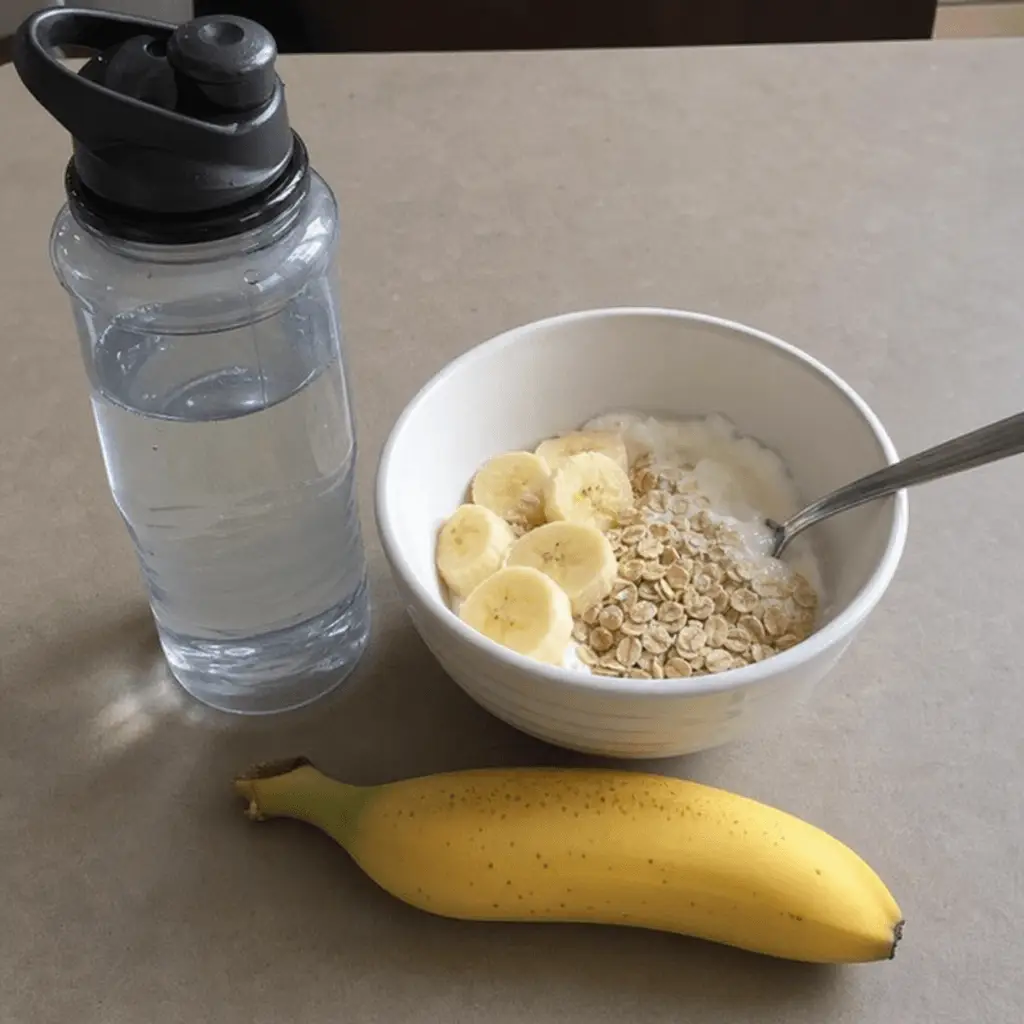
Try these options before lifting:
Banana with Greek yogurt for quick carbs and protein.
Oatmeal with milk and berries for steady energy.
Turkey sandwich or wrap if you have a few hours before training.
Rice cakes with peanut butter and honey for a lighter option.
Smoothie with milk, fruit, and protein when you need something fast.
Eggs and toast for a balanced meal earlier in the day.
Cereal with milk when convenience matters.
Avoid turning your pre-workout meal into a digestive challenge. Very greasy, very high-fiber, or unusually large meals can sit heavily during squats, sprints, or conditioning. Test your options on normal training days before relying on them for an important session.
A simple muscle gain diet template
A good muscle gain diet does not need to be complicated. It should give you enough total food, enough protein, and enough energy to train hard. If you are not gaining strength or body weight over time, you may need larger portions, more frequent meals, or higher-calorie additions like nuts, oils, smoothies, rice, pasta, or avocado.
Here is a simple daily structure you can adapt:
Breakfast: Eggs with toast and fruit, or Greek yogurt with oats, berries, and nut butter.
Lunch: Chicken, rice, vegetables, and olive oil, or a tofu bowl with noodles and sauce.
Pre-workout snack: Banana and yogurt, toast with peanut butter, or a fruit smoothie.
Dinner: Salmon with potatoes and salad, turkey tacos, lean beef pasta, or lentil curry with rice.
Evening snack: Cottage cheese, milk, edamame, hummus with pita, or a protein smoothie.
This template works because it removes guesswork. Each meal has a job: protein for repair, carbohydrates for fuel, fats for calories and satisfaction, and produce for overall nutrition. You can change flavors, cuisines, and portions without changing the structure.
Muscle-building foods for busy schedules
Consistency is easier when your kitchen has reliable staples. Many people fall short not because they lack knowledge, but because they wait until they are hungry to decide what to eat. Keeping easy muscle building foods on hand makes better choices faster.
Stock your kitchen with:
Ready proteins: Rotisserie chicken, canned tuna, eggs, Greek yogurt, cottage cheese, tofu, pre-cooked turkey, or frozen fish.
Fast carbs: Microwave rice, oats, potatoes, tortillas, whole-grain bread, pasta, and frozen fruit.
Easy produce: Bagged salad, frozen vegetables, apples, bananas, berries, salsa, and pre-cut vegetables.
Calorie boosters: Olive oil, avocado, nuts, seeds, nut butter, cheese, and hummus.
Flavor helpers: Seasoning blends, hot sauce, pesto, low-sugar marinades, mustard, and herbs.
With these basics, you can build quick meals in minutes: tuna rice bowls, egg breakfast tacos, Greek yogurt parfaits, chicken wraps, tofu stir-fry, or pasta with lean meat sauce. Convenience does not have to mean low quality.
Local factors for St. George, Utah lifters
If you are searching “What foods help build muscle quickly? (St. George, Utah),” the core answer is the same as anywhere: eat enough quality food to support progressive training. Still, local lifestyle can affect your choices. St. George is known for warm weather, outdoor recreation, and an active community, so hydration and portable meals can matter just as much as what is on your dinner plate.
If you hike, bike, run, lift, or train outdoors, plan for fluids before you feel depleted. Keep water available, and consider salty foods or electrolyte options when you sweat heavily. For long days away from home, pack simple muscle-building snacks like jerky, trail mix, protein bars, fruit, tuna packets, sandwiches, or Greek yogurt in a cooler.
Meal planning also helps when your schedule includes early workouts or evening training. Prep protein and carbs ahead of time so you are not relying on random snacks after a hard session. Even a basic plan, such as cooked rice, grilled chicken, beans, vegetables, and salsa, can support several meals.
Common mistakes that slow muscle gain
Even with good intentions, small habits can hold back progress. The most common mistake is eating too little overall. If you train hard but your meals are small, inconsistent, or mostly low-calorie foods, your body may not have enough energy to build new muscle efficiently.
Another mistake is saving protein for dinner. Your body benefits from regular opportunities to repair throughout the day, so include protein at breakfast and lunch too. Skipping carbs can also backfire if it makes workouts weaker or recovery slower.
Watch for these issues:
Only focusing on supplements instead of building real meals.
Under-eating on busy days and trying to “make up for it” later.
Avoiding carbohydrates even when training performance is dropping.
Changing the plan too often before giving it time to work.
Ignoring sleep and recovery, which are essential partners to nutrition.
Eating randomly after workouts instead of planning a balanced meal.
Progress does not require perfection. It requires enough good decisions repeated long enough to support adaptation.
FAQ
What are the best foods for muscle building if I am just starting out?
Start with simple foods: eggs, chicken, Greek yogurt, rice, potatoes, oats, fruit, vegetables, beans, lentils, tofu, and fish. These foods are easy to combine into balanced meals and do not require advanced nutrition knowledge.
Do I need protein powder to build muscle quickly?
No. Protein powder is convenient, but whole protein-rich foods can work well. Use powder if it helps you meet your needs on busy days, after training, or when you do not feel like cooking.
Are plant-based foods good for building muscle?
Yes. Tofu, tempeh, edamame, lentils, beans, chickpeas, soy milk, nuts, seeds, and whole grains can all support a muscle-building diet. Plant-based eaters may need to be more intentional about total protein and meal variety.
What should I eat after a workout?
Choose a meal or snack with protein and carbohydrates. Good options include a chicken rice bowl, Greek yogurt with fruit and granola, eggs and toast, salmon with potatoes, tofu stir-fry, or a smoothie with milk, fruit, and protein.
How fast can food help me build muscle?
Food supports the process, but muscle gain still takes consistent training, recovery, and time. You may feel better energy and recovery quickly, while visible muscle changes usually require patience and repeated effort.
Supercharge Your Muscle Growth with the Right Nutrition Plan
Building lean muscle quickly isn’t just about lifting heavy in the gym—it requires fueling your body with the right combination of high-quality proteins, nutrient-dense carbohydrates, and healthy fats to drive recovery and growth. Navigating protein targets, caloric surpluses, and meal timing can quickly feel overwhelming, but you don’t have to rely on generic meal templates or guess your macros. Contact us today to consult with our sports nutrition specialists, and let’s design a personalized, muscle-building meal plan tailored specifically to your body, schedule, and fitness goals.