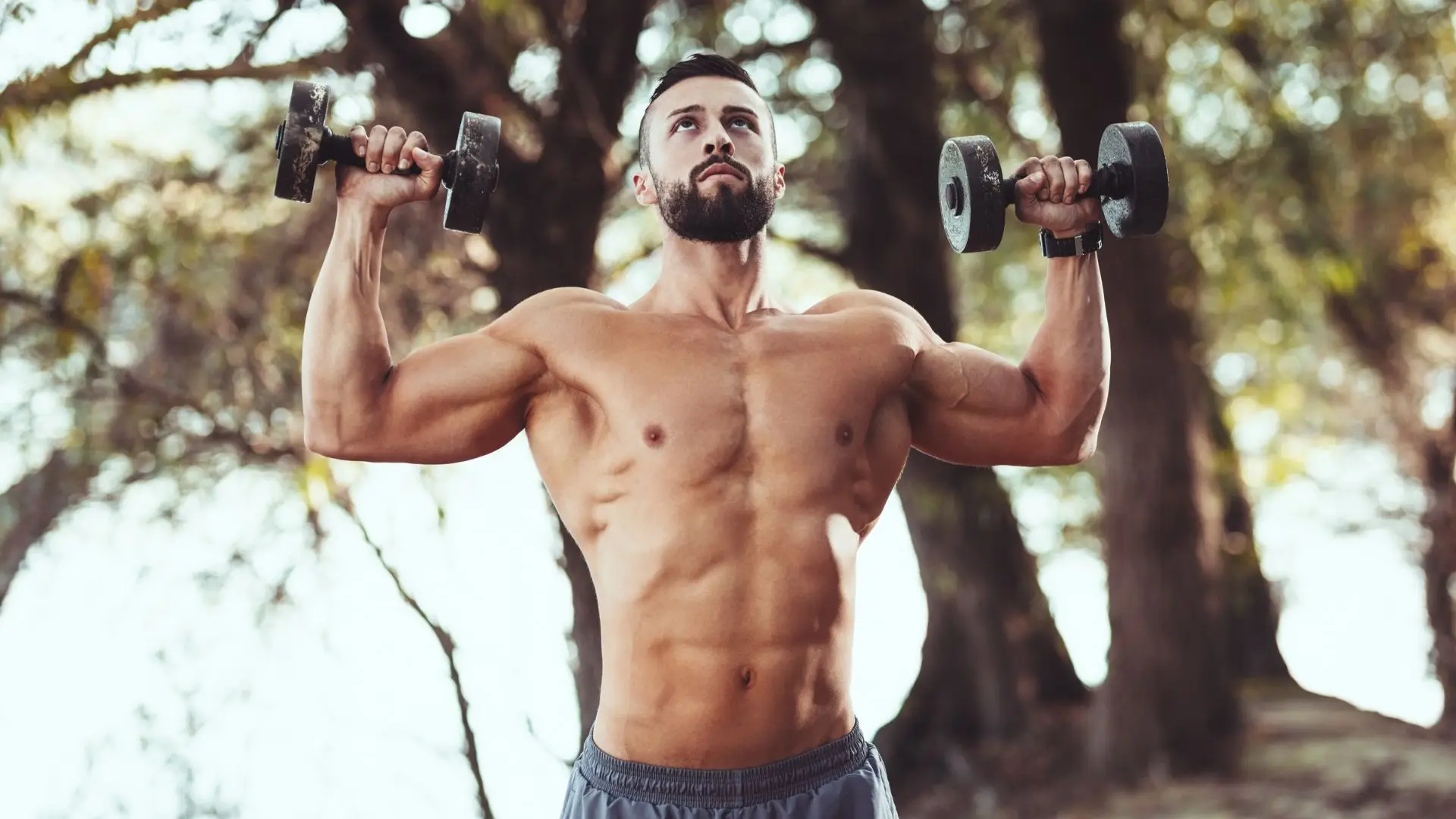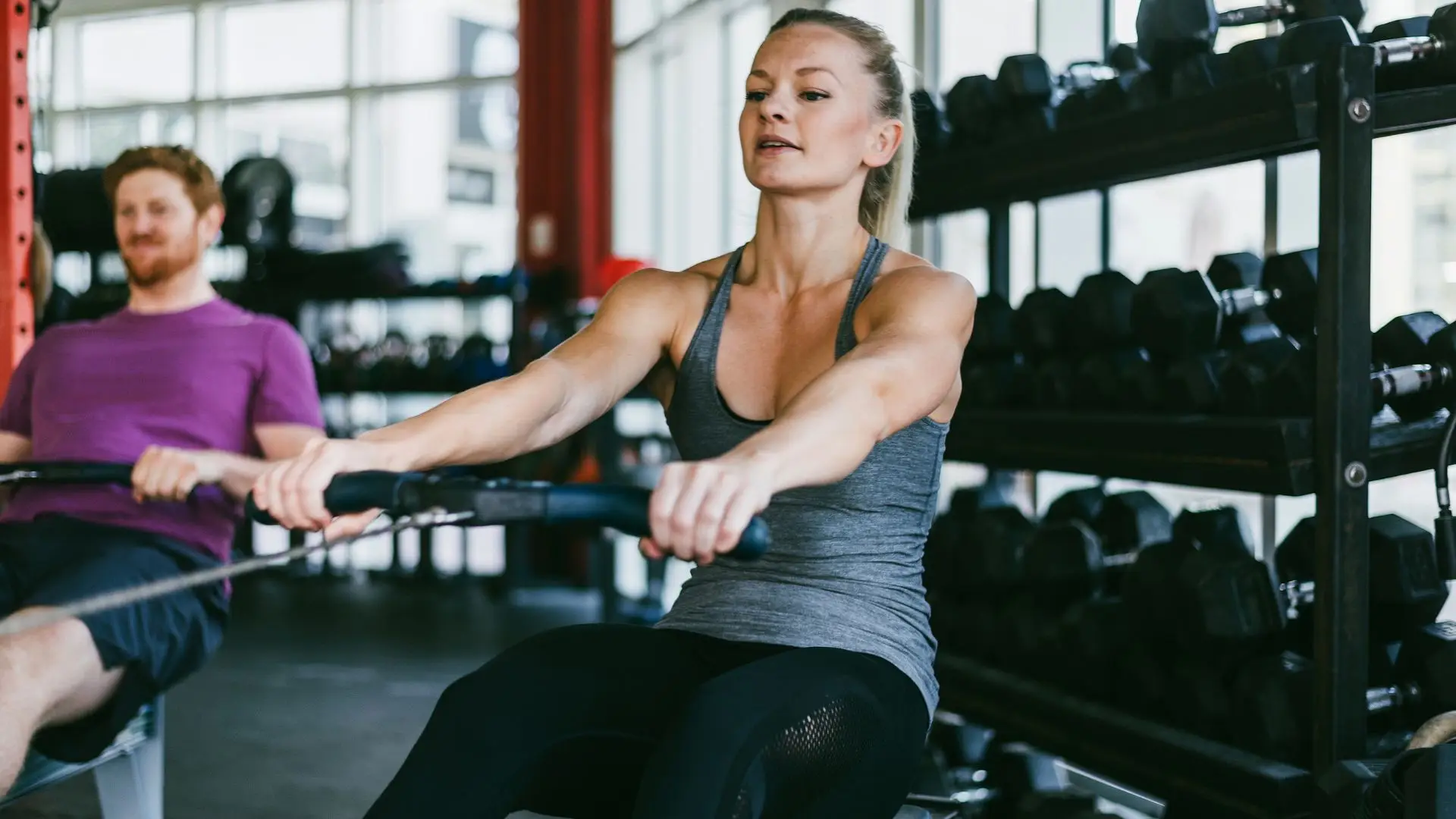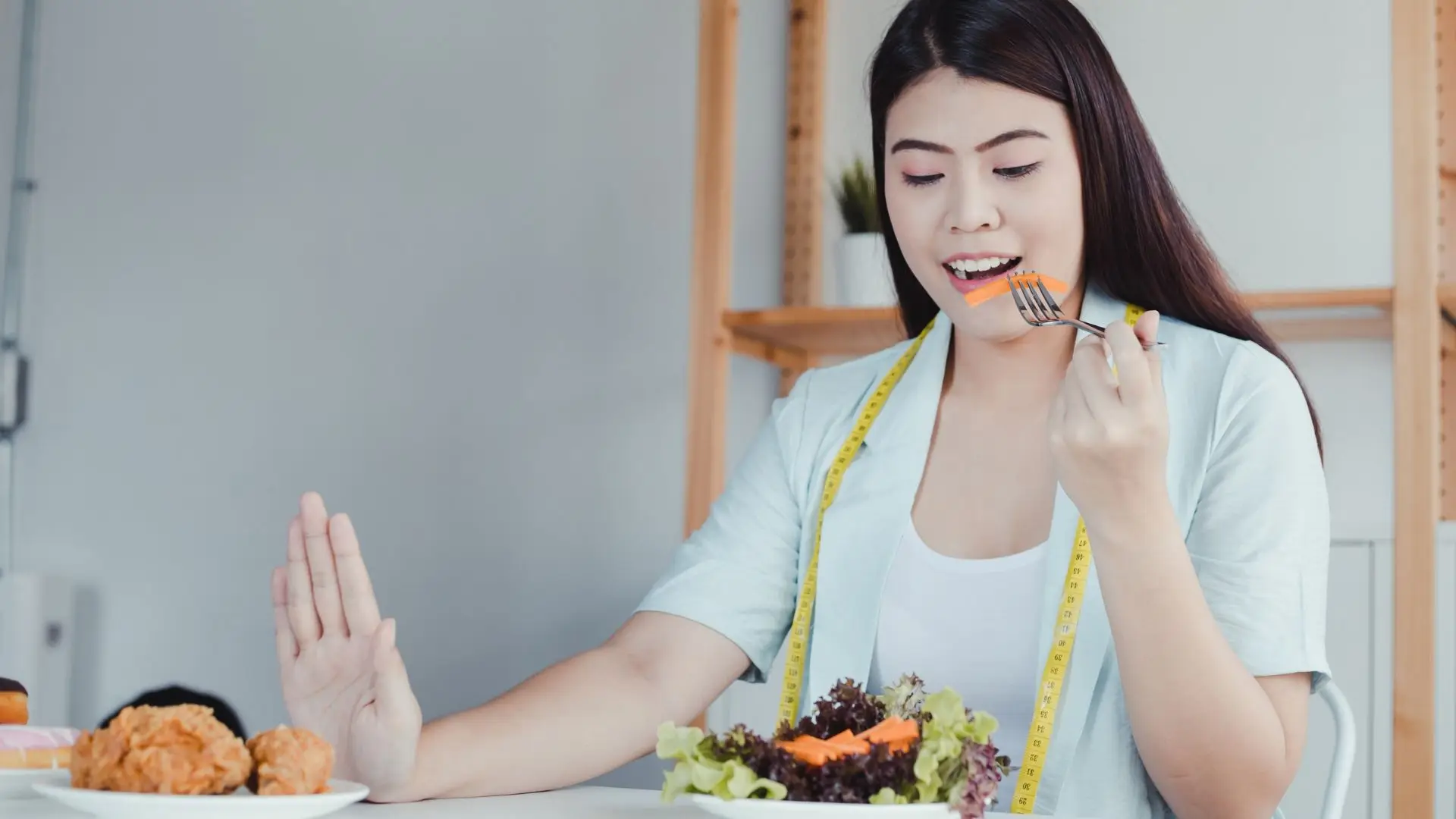
Losing weight doesn’t mean starving yourself, skipping meals, or giving up all your favorite foods. If you’re wondering what should I eat to lose weight, the answer starts with choosing nutritious foods that keep you satisfied, provide enough energy, and help your body maintain muscle while reducing body fat.
The key is to build balanced meals around lean protein, vegetables, fruits, whole grains, and healthy fats. You don’t need an expensive meal plan or complicated diet to get started. With a few practical changes to your eating habits, you can make steady progress without feeling deprived.
Whether you’re new to fitness or trying to improve your current routine, understanding what to eat can make weight loss easier and more sustainable.
1. Prioritize Protein-Rich Foods
Protein should be an important part of your meals when trying to lose weight. It helps you feel full for longer, supports muscle recovery, and helps preserve lean muscle mass while you’re in a calorie deficit.
When you eat enough protein, you’re also less likely to feel hungry shortly after a meal, making it easier to manage your daily calorie intake.
Some excellent protein sources include:
Chicken breast and turkey
Fish and seafood
Eggs
Greek yogurt
Lean beef
Cottage cheese
Beans and lentils
Tofu and tempeh
Try including a protein source with every main meal. For example, you could have eggs for breakfast, grilled chicken for lunch, and baked salmon for dinner.
If you’re also doing strength training, protein becomes especially important for supporting muscle growth and recovery.
2. Eat More Vegetables and Fruits
Vegetables and fruits are excellent choices for weight loss because they provide fiber, vitamins, minerals, and water while generally being lower in calories than many processed foods.
Fiber helps slow digestion and promotes fullness, which can make it easier to avoid unnecessary snacking.
Good options include:
Broccoli
Spinach
Carrots
Cucumbers
Bell peppers
Apples
Berries
Oranges
Bananas
An easy strategy is to fill about half your plate with vegetables and include a serving of fruit during breakfast or as a snack.
You don’t need to eliminate fruit because it contains natural sugar. Whole fruits provide fiber and nutrients that make them a healthy part of a balanced diet.
3. Choose Healthy Carbohydrates
Carbohydrates often get a bad reputation in weight-loss diets, but you don’t need to eliminate them to lose weight.
Your body uses carbohydrates for energy, especially during workouts and other physical activities. Choosing fiber-rich, minimally processed carbohydrate sources can also help keep you satisfied.
Consider adding these foods to your meals:
Oatmeal
Brown rice
Quinoa
Sweet potatoes
Whole-grain bread
Beans
Whole-wheat pasta
Pay attention to portion sizes rather than avoiding carbohydrates altogether. A balanced serving of rice or potatoes alongside protein and vegetables can make a satisfying meal.
If you exercise regularly, eating enough carbohydrates can also help you maintain workout performance.
4. Include Healthy Fats in Your Diet
Healthy fats support hormone production, help your body absorb certain vitamins, and contribute to overall health.
Although fats contain more calories per gram than protein or carbohydrates, that doesn’t mean you should remove them from your diet. The goal is to choose nutritious sources and manage portions.
Healthy fat sources include:
Avocados
Almonds
Walnuts
Chia seeds
Olive oil
Natural peanut butter
Fatty fish such as salmon
For example, adding a small serving of avocado to your lunch or a few almonds to your afternoon snack can help make your meals more satisfying.
5. Build Balanced Meals for Sustainable Weight Loss
Knowing what foods are healthy is one thing. Putting them together into meals you can enjoy every day is another.
A balanced meal should include protein, fiber-rich carbohydrates, vegetables, and a moderate amount of healthy fat.
Here are some simple meal ideas:
Breakfast
Scrambled eggs with whole-grain toast
Greek yogurt with berries and oatmeal
Oatmeal topped with banana and almonds
Lunch
Grilled chicken with brown rice and broccoli
Turkey sandwich with whole-grain bread and vegetables
Tuna salad with avocado
Dinner
Baked salmon with sweet potatoes and asparagus
Grilled chicken with quinoa and roasted vegetables
Lean beef with brown rice and mixed vegetables
Healthy Snacks
Greek yogurt
Apple with peanut butter
Boiled eggs
A handful of almonds
Cottage cheese with fruit
You don’t have to eat the same meals every day. Choose foods you enjoy so your nutrition plan feels manageable over the long term.
6. Watch Your Portion Sizes
Even nutritious foods can contribute to weight gain when you regularly eat more calories than your body needs.
You don’t necessarily have to count every calorie. Start by paying attention to portion sizes and how much food you’re eating throughout the day.
A simple plate method can help:
Half your plate: Vegetables and fruits, with an emphasis on vegetables.
One-quarter: Lean protein.
One-quarter: Whole grains or starchy vegetables.
Add a small portion: Healthy fats.
Eat slowly and pay attention to your hunger and fullness. This makes it easier to recognize when you’ve had enough.
7. Stay Hydrated and Limit Sugary Drinks
Water supports digestion, exercise performance, and normal body functions. Staying hydrated can also help you distinguish thirst from hunger.
Try replacing sugary drinks with:
Plain water
Sparkling water
Unsweetened tea
Water with lemon or cucumber
You don’t have to eliminate every drink you enjoy, but reducing sugary beverages can help lower your overall calorie intake.
8. Combine Healthy Eating With Regular Exercise
Nutrition plays a major role in weight loss, but combining healthy eating with physical activity can improve your results.
Cardio helps increase calorie expenditure, while strength training helps preserve and build muscle. Both contribute to better overall fitness.
If you’re unsure where to begin, check out Personal Training St. George’s guide to weight loss exercises that support lasting results. It explains how walking, cardio, strength training, and everyday movement can support your weight-loss goals.
You can also learn more about the best weight lifting program for fat loss to understand how resistance training fits into a balanced fitness routine.
For additional workout ideas, read workouts to lose belly fat. These exercises can help strengthen your core and improve overall fitness, although losing fat specifically from your stomach isn’t possible through targeted exercises alone.
If you’re a woman looking for a structured approach to nutrition and exercise, Personal Training St. George also explains the fundamentals in its guide to the best fat loss program for women.
And if you want to make better food choices around your exercise schedule, take a look at what to eat before a workout. It covers meal timing and food choices that can help support workout energy and performance.
9. A Simple Daily Meal Plan for Weight Loss
If you’re not sure how to put everything together, here’s an example of a balanced day of eating.
Meal | Food choices |
|---|---|
Breakfast | 2 eggs, whole-grain toast, and berries |
Morning snack | Greek yogurt |
Lunch | Grilled chicken, brown rice, and broccoli |
Afternoon snack | Apple with peanut butter |
Dinner | Baked salmon, sweet potato, and green beans |
This is an example, not a calorie prescription. Your portion sizes and overall calorie needs will depend on your age, body size, activity level, and weight-loss goals.
10. Common Eating Mistakes to Avoid When Losing Weight
Even with healthy food choices, certain habits can make weight loss more difficult.
Skipping meals: Skipping meals can leave you overly hungry later, making it harder to manage portions.
Eliminating entire food groups: Cutting out carbohydrates or fats unnecessarily can make your diet difficult to maintain.
Drinking too many calories: Sugary coffees, sodas, and sweetened beverages can add calories without making you feel full.
Following extreme diets: Very restrictive diets can leave you tired, hungry, and more likely to abandon your plan.
Expecting immediate results: Sustainable weight loss takes time. Focus on consistent habits instead of daily changes on the scale.
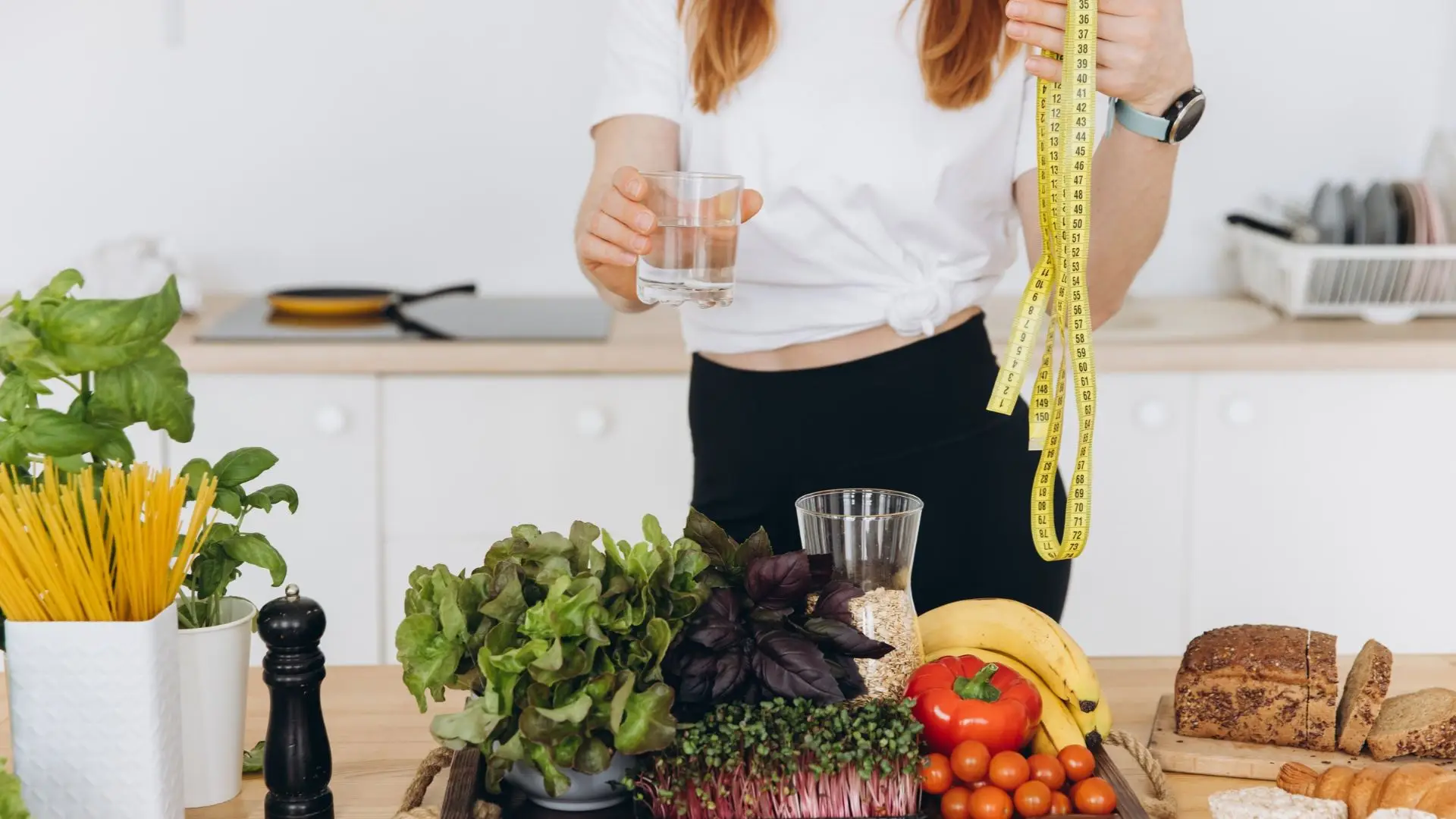
Frequently Asked Questions
What foods should I eat every day to lose weight?
Focus on lean protein, vegetables, fruits, whole grains, and healthy fats. These foods provide essential nutrients and help you feel satisfied while managing your calorie intake.
Should I stop eating rice to lose weight?
No. Rice can be part of a healthy weight-loss diet. Pay attention to portions and combine rice with protein and vegetables for a balanced meal.
What is the best breakfast for weight loss?
A protein-rich breakfast such as eggs with whole-grain toast, or Greek yogurt with berries and oatmeal, can help keep you full and energized.
Can I lose weight without exercising?
Yes. Weight loss can happen through nutrition alone if you maintain a calorie deficit. However, regular exercise helps preserve muscle, improve fitness, and support long-term health.
How many meals should I eat per day to lose weight?
There is no required number of meals. Some people prefer three main meals, while others feel better with smaller meals and snacks. Choose a schedule that helps you manage hunger and maintain a suitable calorie intake.
Eat Better, Feel Better, and Make Progress That Lasts
Understanding what should I eat to lose weight is the first step toward building healthier habits. Focus on balanced meals, adequate protein, fiber-rich foods, sensible portions, and enough water to support your daily activities.
Remember, successful weight loss doesn’t require giving up your favorite foods or following an extreme diet. Small, consistent improvements in your nutrition and exercise routine can help you achieve lasting results while feeling stronger and healthier.
Ready to Reach Your Weight-Loss Goals?
You don’t have to figure out your fitness and nutrition journey alone. At Personal Training St. George, you can get personalized fitness guidance designed around your goals, experience, and lifestyle.
Whether you want to lose body fat, build muscle, or improve your overall health, having a structured plan and the right coaching can make staying consistent much easier.
Take the first step toward a healthier you! Contact Personal Training St. George today and discover how personalized training and nutrition guidance can help you reach your weight-loss goals and maintain your results.