If you’re looking to get stronger, build lean muscle, lose body fat, or improve your overall fitness, you’ve probably asked yourself, “What is the best strength training program?” The answer isn’t a one-size-fits-all workout. The best strength training program is one that’s tailored to your fitness level, goals, schedule, and lifestyle while helping you progress consistently over time.
Whether you’re a beginner starting your fitness journey or someone looking to improve your current routine, the right strength training program can help you achieve long-term results safely and effectively. In this guide, we’ll explain what makes a program successful and how you can choose the one that’s right for you.
What Is a Strength Training Program?
A strength training program is a structured workout plan designed to improve muscular strength, endurance, and overall physical performance through resistance exercises.
These exercises may include:
- Free weights
- Barbells
- Dumbbells
- Resistance bands
- Weight machines
- Bodyweight movements
A well-designed program gradually increases the workload over time to stimulate muscle growth and improve strength.
What Is the Best Strength Training Program?
The best strength training program is one that:
- Matches your fitness level
- Includes progressive overload
- Trains all major muscle groups
- Allows adequate recovery
- Is consistent and sustainable
Rather than copying someone else’s workout, your program should be customized to your individual goals and experience.
Essential Components of an Effective Strength Training Program
1. Progressive Overload
Progressive overload is the foundation of muscle growth and strength development.
This means gradually increasing:
- Weight
- Repetitions
- Sets
- Training intensity
Without progressive overload, your muscles stop adapting and progress slows.
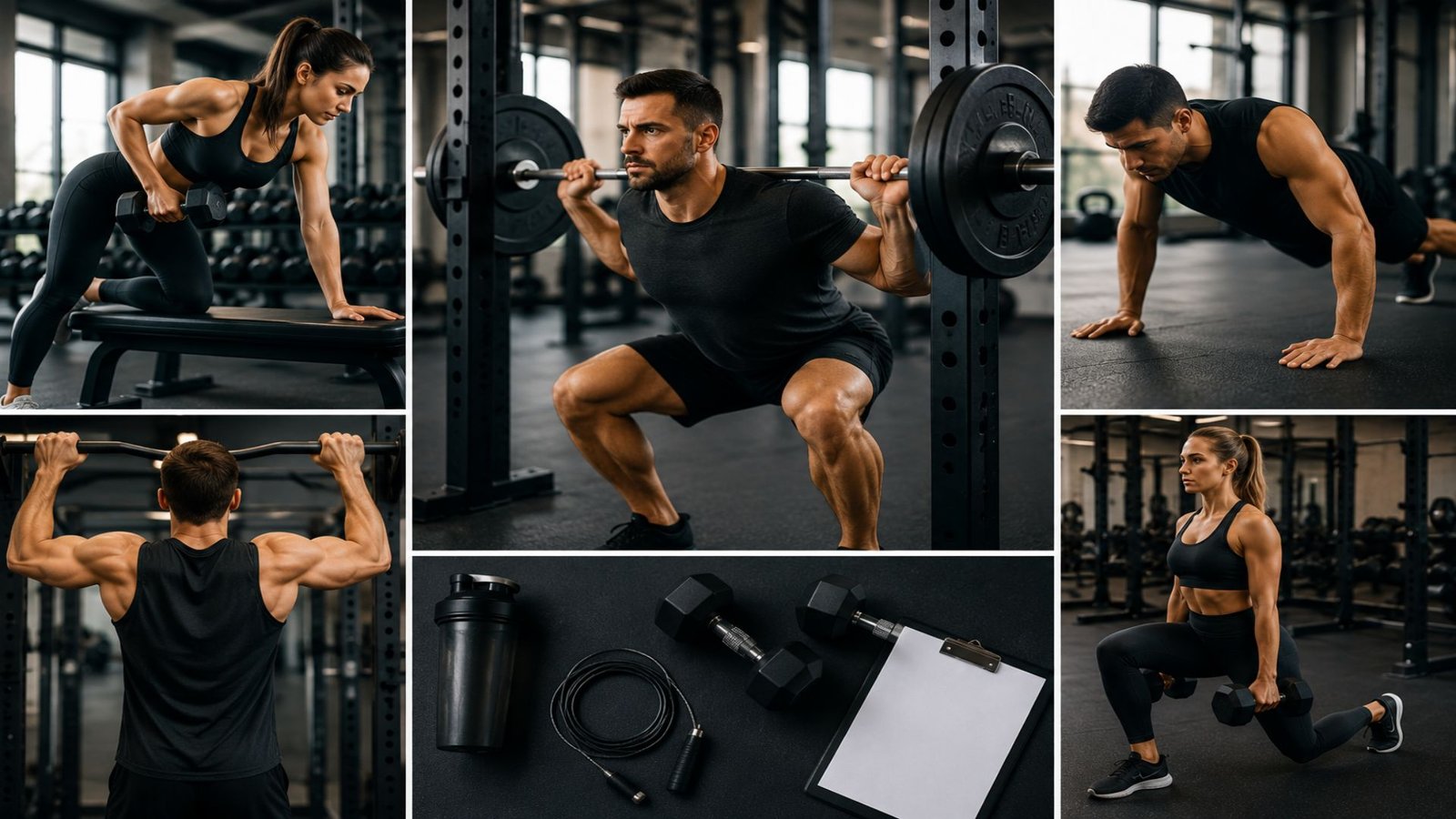
2. Compound Exercises
Compound movements train multiple muscle groups simultaneously, making workouts more efficient.
Examples include:
- Squats
- Deadlifts
- Bench Press
- Pull-Ups
- Rows
- Overhead Press
- Lunges
These exercises build strength while burning more calories than isolation exercises alone.
3. Consistency
The most effective program is the one you can follow consistently.
Aim for:
- 3–5 strength workouts each week
- Regular progression
- Long-term commitment
Missing an occasional workout isn’t a problem, but consistency over months produces the best results.
4. Proper Recovery
Your muscles grow while you recover—not while you’re lifting.
Recovery includes:
- 7–9 hours of sleep
- Rest days
- Proper nutrition
- Hydration
Ignoring recovery often leads to fatigue, slower progress, and increased injury risk.
Beginner Strength Training Program Example
If you’re new to strength training, a simple full-body routine works extremely well.
Day 1
- Goblet Squats
- Push-Ups
- Dumbbell Rows
- Planks
Day 2
- Rest or light walking
Day 3
- Deadlifts
- Shoulder Press
- Walking Lunges
- Bicycle Crunches
Day 4
- Rest
Day 5
- Squats
- Bench Press
- Lat Pulldowns
- Romanian Deadlifts
This schedule trains every major muscle group while allowing enough recovery between sessions.
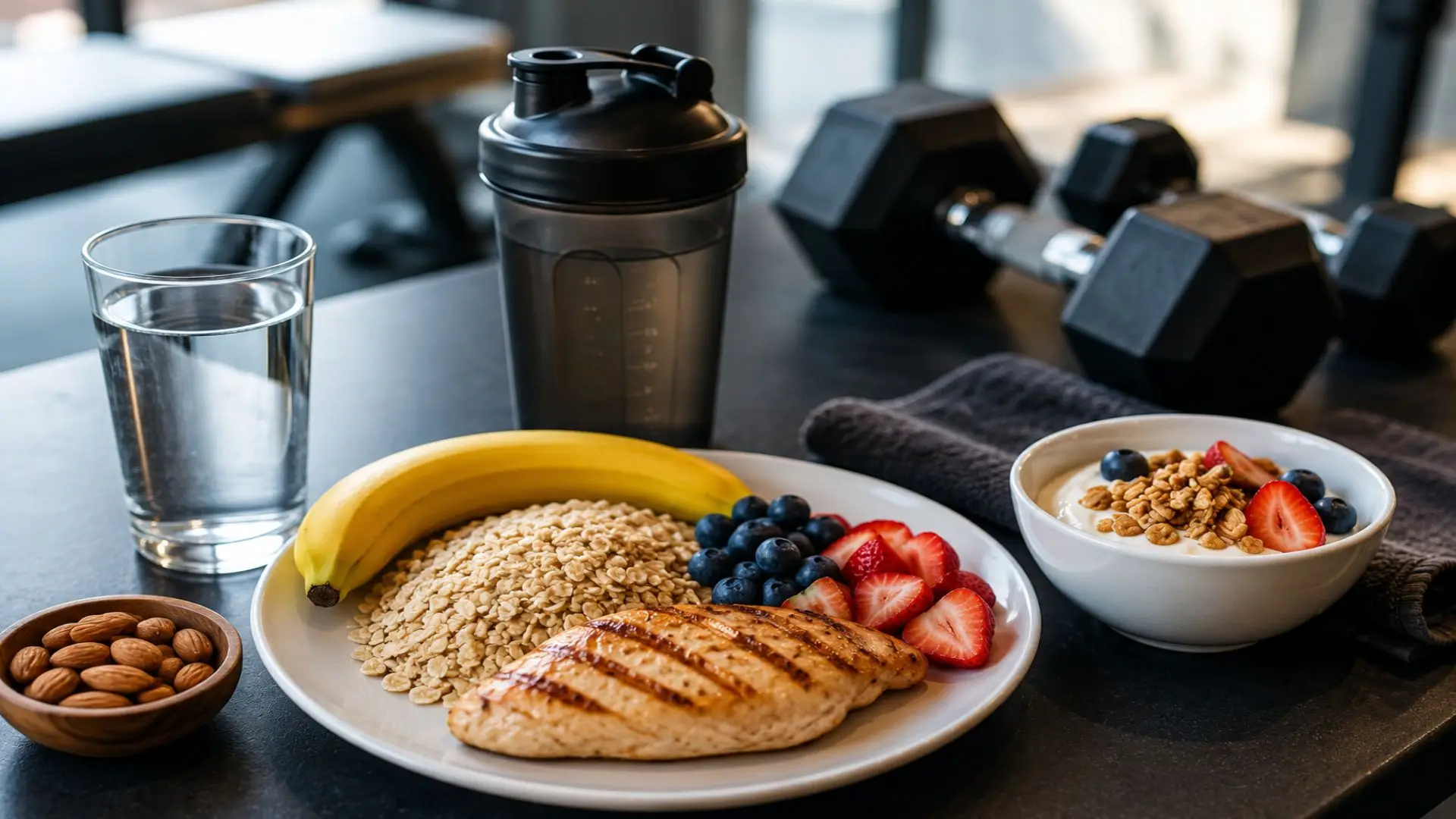
Nutrition Supports Your Strength Training Program
Exercise alone isn’t enough.
To maximize results, prioritize:
Protein
Protein supports muscle recovery and growth.
Good protein sources include:
- Chicken
- Fish
- Eggs
- Greek yogurt
- Cottage cheese
- Lean beef
- Beans
Healthy Carbohydrates
Carbohydrates fuel your workouts and aid recovery.
Choose:
- Brown rice
- Oatmeal
- Sweet potatoes
- Whole-grain bread
- Fruits
- Vegetables
Healthy Fats
Healthy fats support hormone production and overall health.
Examples include:
- Avocados
- Nuts
- Olive oil
- Seeds
Common Strength Training Mistakes
Avoid these common mistakes that limit progress.
Training Without a Plan
Random workouts produce inconsistent results.
Follow a structured program with clear progression.
Lifting Too Heavy Too Soon
Poor form increases injury risk.
Master technique before increasing weight.
Skipping Recovery
Rest is essential for muscle growth and long-term progress.
Neglecting Nutrition
Strength gains require proper fueling.
Without enough protein and calories, recovery becomes much more difficult.

How Long Before You See Results?
Most people notice:
- Improved strength within 3–4 weeks
- Increased muscle definition within 6–8 weeks
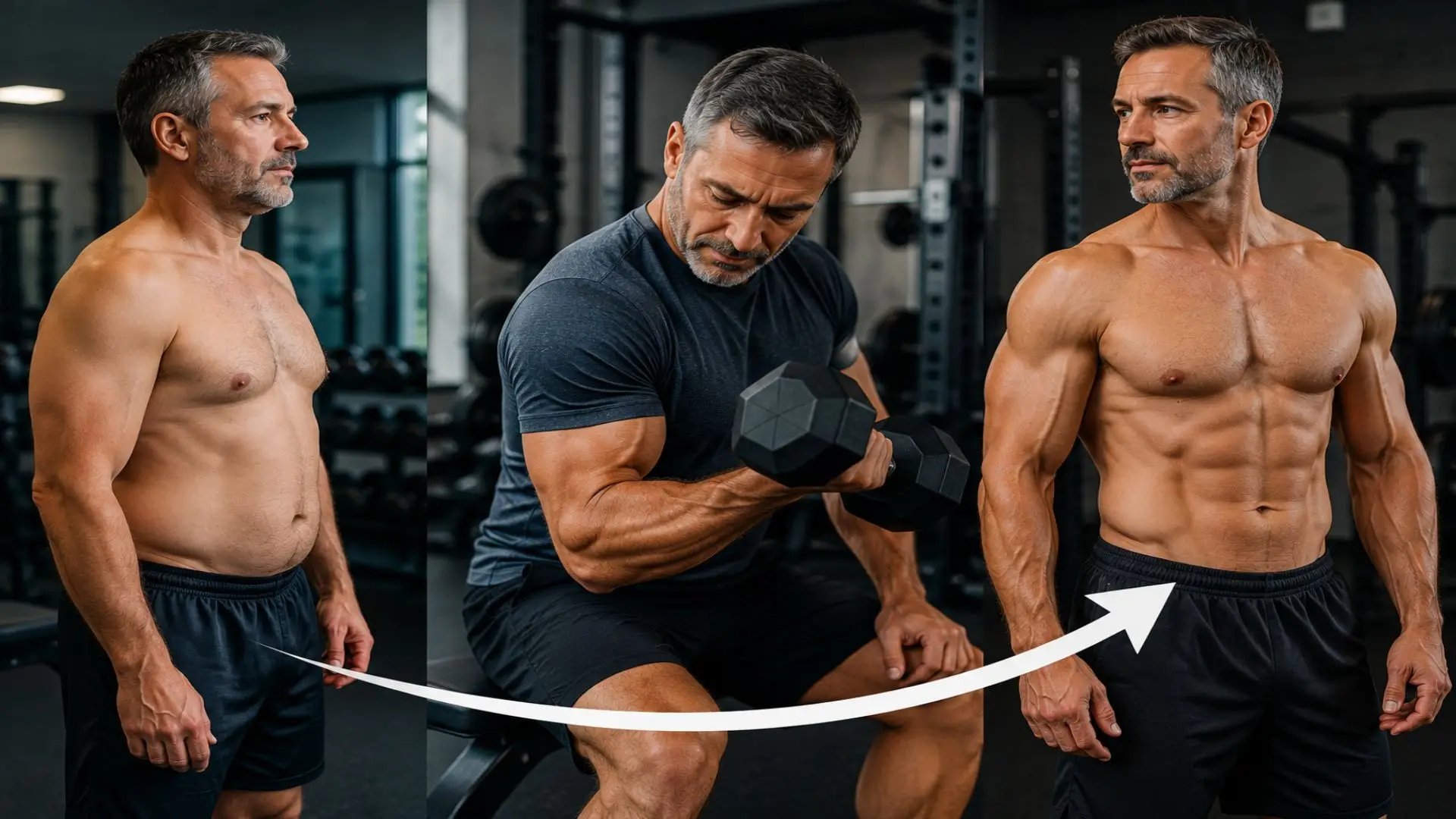
- Significant body composition changes within 3–6 months
Results depend on consistency, nutrition, recovery, and individual factors.
How to Stay Motivated
Long-term success comes from building sustainable habits.
Helpful strategies include:
- Setting realistic goals
- Tracking workouts
- Taking progress photos
- Celebrating small improvements
- Working with a qualified trainer
Remember that progress isn’t always measured by the number on the scale.
Frequently Asked Questions
What is the best strength training program for beginners?
A full-body routine performed three times per week with compound exercises is one of the most effective options for beginners.
How many days per week should I strength train?
Most adults benefit from 3–5 strength training sessions each week, depending on their goals and experience.
Can strength training help with fat loss?
Yes. Strength training builds muscle, boosts metabolism, and helps preserve lean mass while losing body fat.
Do I need a gym?
No. Effective strength training can be done at home using dumbbells, resistance bands, or bodyweight exercises.
How much protein should I eat?
Most people aiming to build muscle benefit from approximately 0.7–1 gram of protein per pound of body weight daily, depending on their goals.
Conclusion
The best strength training program isn’t necessarily the most complicated or the most intense—it’s the one that fits your goals, challenges your muscles safely, and keeps you consistent over time. By combining progressive overload, compound exercises, proper nutrition, and adequate recovery, you can build strength, improve your body composition, and enjoy long-term health benefits.
Whether you’re just beginning your fitness journey or looking to elevate your current routine, remember that lasting results come from patience, consistency, and smart programming—not shortcuts.
Start Building Strength With a Personalized Plan
At Personal Training St. George, we believe every individual deserves a strength training program designed specifically for their goals, experience, and lifestyle. Our expert trainers provide personalized coaching, accountability, and ongoing support to help you build strength, lose body fat, and improve your overall fitness with confidence.
Ready to become stronger, healthier, and more confident? Contact Personal Training St. George today and discover how a customized strength training program can help you achieve lasting results.