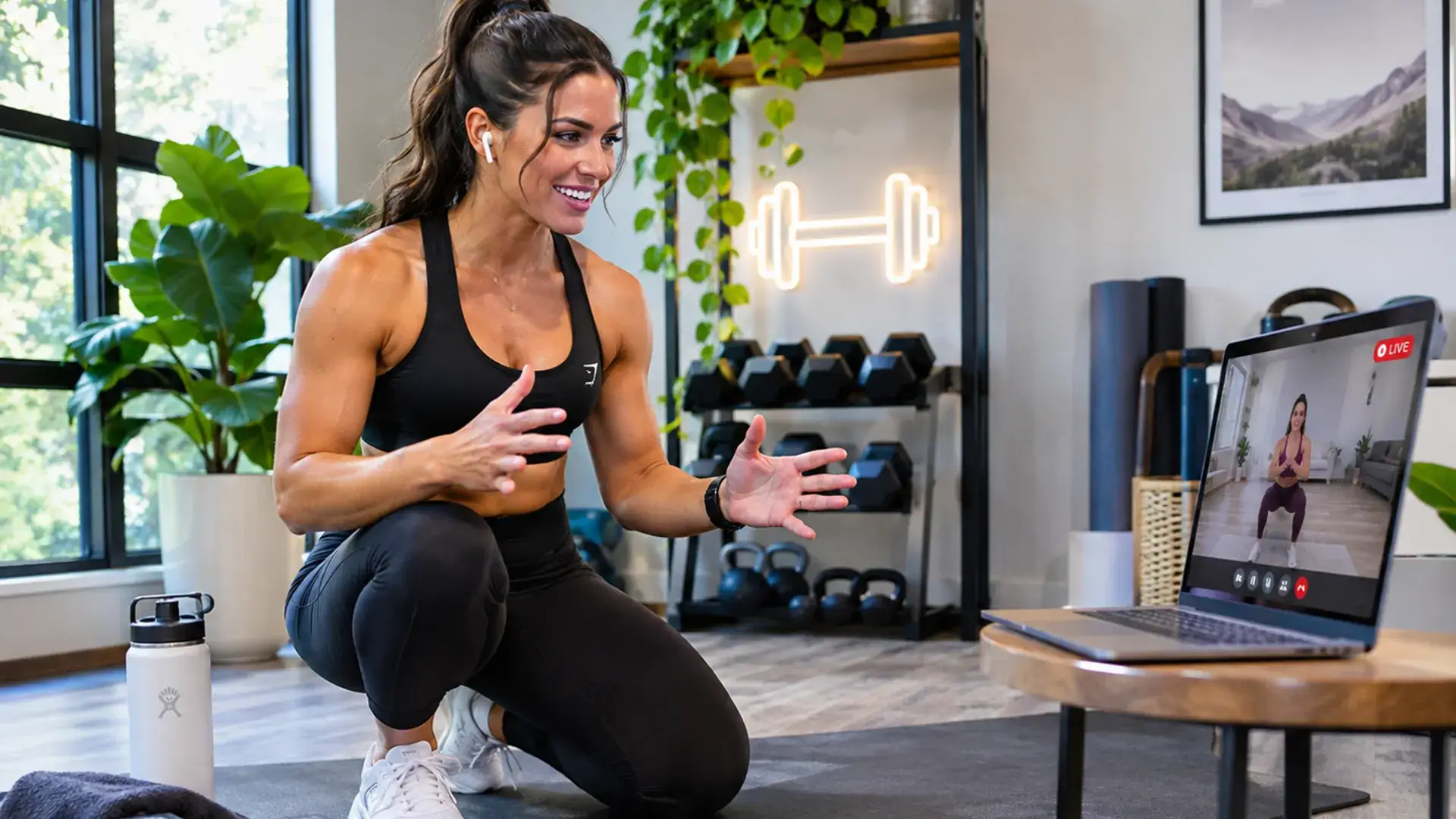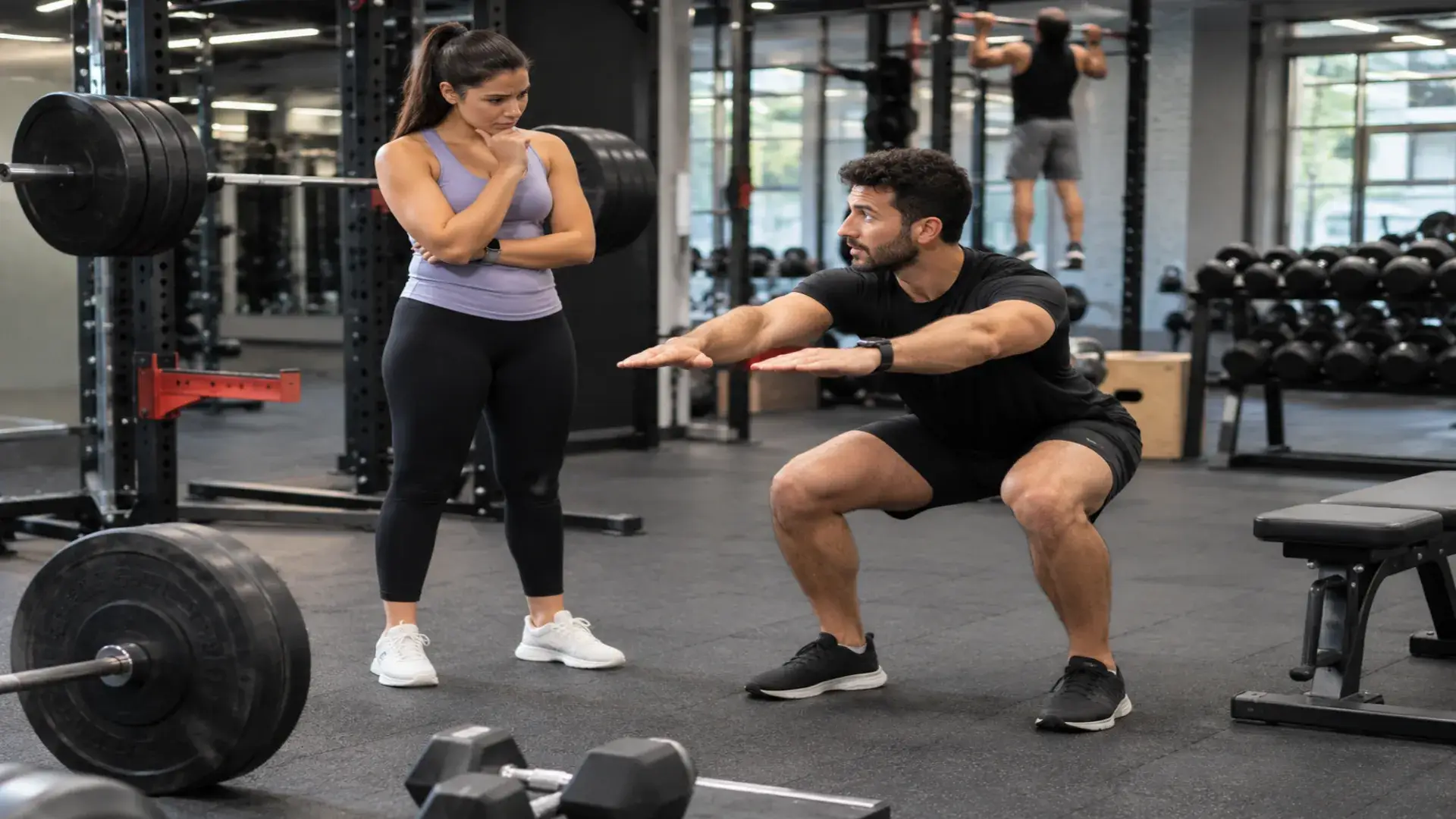
Starting a workout routine is an important step toward improving your health, building strength, and becoming more active. However, if you’re new to exercise, it’s important to choose movements that match your current fitness level.
Some exercises require advanced strength, balance, coordination, or mobility. Attempting them before you’re ready can make it difficult to maintain proper form and may increase your risk of injury.
This doesn’t mean you must avoid challenging exercises forever. It simply means you should develop the necessary strength and technique before adding more demanding movements to your routine.
Here are eight exercises beginners should approach with caution and some alternatives that can help you get started safely.
1. Heavy Barbell Squats
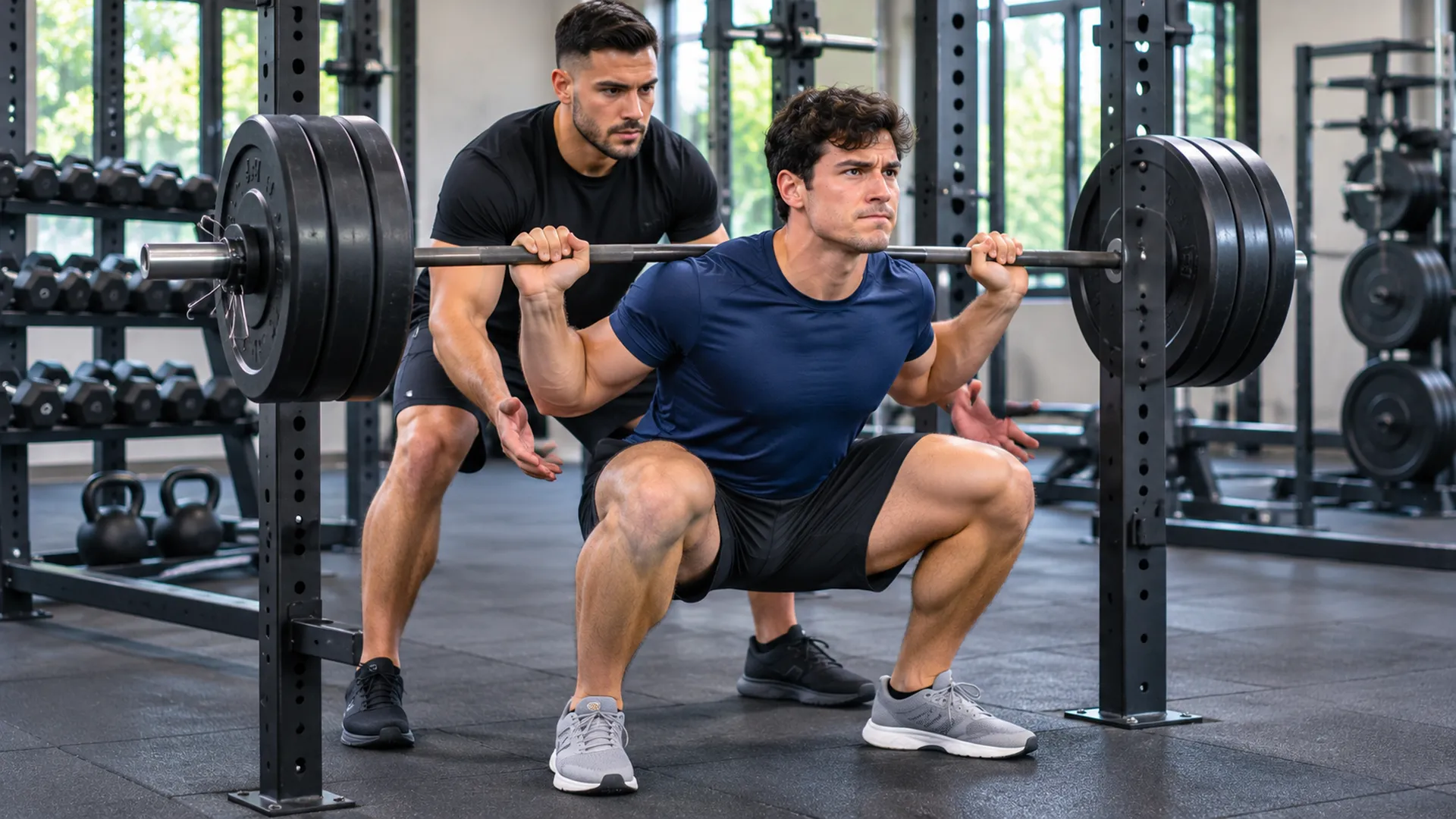
Barbell squats are excellent for developing lower-body strength, but lifting heavy weights before learning proper squat technique can be challenging.
Beginners may struggle with balance, depth, knee positioning, or maintaining a stable torso throughout the movement.
A better alternative: Bodyweight or Goblet Squats
Start with bodyweight squats to learn the movement. Once you feel comfortable, try holding a light dumbbell close to your chest.
Focus on:
Keeping your feet stable on the floor.
Lowering your hips with control.
Keeping your knees aligned with your feet.
Maintaining a comfortable range of motion.
You can gradually increase resistance as your technique improves.
2. Heavy Deadlifts
Deadlifts work several major muscle groups, including your glutes, hamstrings, and back. However, they require good movement control and the ability to maintain a stable spine while lifting.
Using excessive weight or rounding your back under load can place unnecessary stress on your body.
A better alternative: Light Dumbbell Romanian Deadlifts
Begin with light dumbbells and practice moving your hips backward while keeping your back in a comfortable, stable position.
You can also start with hip hinges using no weights until you understand the movement.
3. Behind-the-Neck Shoulder Press
This exercise involves lowering a barbell behind your head during a shoulder press.
It requires considerable shoulder mobility and control. Some beginners may find it uncomfortable or difficult to perform without compensating through their neck or upper back.
A better alternative: Dumbbell Shoulder Press
Hold light dumbbells at shoulder height and press them overhead within a comfortable range of motion.
Keep your movements controlled and avoid arching your lower back excessively.
4. Advanced Plyometric Exercises
Plyometric movements involve explosive actions that require strength, coordination, and the ability to absorb impact.
Examples include:
Box jumps.
Jump squats.
Depth jumps.
Burpees with jumps.
These exercises can be useful for developing power and athletic performance, but they may be too demanding for someone who hasn’t developed basic strength and landing mechanics.
A better alternative: Step-Ups and Bodyweight Squats
Step-ups help develop leg strength, balance, and coordination without requiring the same explosive movement as jumping exercises.
Start with a low, stable step and use controlled movements.
5. Full Push-Ups Without Proper Strength
Push-ups are effective for strengthening the chest, shoulders, triceps, and core. However, performing full push-ups can be difficult if you haven’t developed enough upper-body strength.
When beginners struggle, they may allow their hips to drop, flare their elbows excessively, or shorten the movement.
A better alternative: Incline Push-Ups
Place your hands on a sturdy elevated surface, such as a secure bench or countertop.
This reduces the amount of body weight you need to lift while helping you practice proper push-up technique.
As your strength improves, gradually lower the surface until you’re ready for floor push-ups.
6. Heavy Weighted Crunches
Abdominal exercises can help strengthen your core, but adding heavy weights before developing proper control may make the movement unnecessarily difficult.
Some beginners also rely on pulling their neck or using momentum instead of engaging their abdominal muscles.
A better alternative: Dead Bugs and Basic Planks
Dead bugs help develop core stability while teaching you to control your limbs without excessive movement through your lower back.
Planks are another useful option. Start with short holds and gradually increase the duration as your strength improves.
7. Advanced Kettlebell Swings
Kettlebell swings are powerful exercises that involve hip movement, coordination, and proper timing.
Although they can be useful for developing strength and conditioning, beginners may struggle to distinguish a hip hinge from a squat or use their arms to lift the kettlebell instead of generating movement through their hips.
A better alternative: Glute Bridges
Glute bridges help beginners learn how to engage their glutes and develop hip extension strength.
Once you understand the hip-hinge movement and have sufficient strength, you can work toward learning kettlebell swings with appropriate instruction.
8. High-Intensity Interval Training (HIIT) Without Preparation
HIIT involves alternating short periods of intense activity with recovery periods.
It can be an effective form of exercise, but jumping straight into demanding intervals may be overwhelming if you’re not used to regular physical activity.
Exercises such as burpees, sprint intervals, and repeated jump squats can place considerable demands on your muscles and cardiovascular system.
A better alternative: Low-Impact Interval Training
Try alternating comfortable brisk walking with slower recovery periods.
For example:
Walk briskly for 30 seconds.
Walk slowly for 60 seconds.
Repeat for 10–15 minutes.
You can gradually increase the intensity as your fitness improves.
Why Should Beginners Avoid Certain Exercises?
The goal isn’t to avoid challenging workouts altogether. It’s to make sure your exercise choices match your current abilities.
Starting with movements that are too difficult can create several problems.
1. Poor Exercise Technique
When an exercise is beyond your current ability, maintaining proper form becomes harder. This can affect how effectively you train and may increase injury risk.
2. Excessive Muscle Soreness
Doing too much too soon can leave you extremely sore and make everyday activities uncomfortable.
Some muscle soreness is normal when starting a new routine, but severe or persistent pain shouldn’t be ignored.
3. Increased Risk of Injury
Using excessive weight, performing unfamiliar movements incorrectly, or training through pain can increase the likelihood of strains and other injuries.
4. Loss of Motivation
Overly demanding workouts can make exercise feel discouraging. Starting with achievable goals helps you build confidence and establish a routine you can maintain.
What Exercises Should Beginners Focus On Instead?
Rather than jumping into advanced movements, start with basic exercises that develop strength, coordination, and movement control.
Consider these beginner-friendly options:
| Exercise | Main Benefits |
|---|---|
| Bodyweight Squats | Develop lower-body strength |
| Incline Push-Ups | Build upper-body strength |
| Glute Bridges | Strengthen glutes and hips |
| Dumbbell Rows | Develop back strength |
| Step-Ups | Improve leg strength and balance |
| Dead Bugs | Develop core stability |
| Walking | Improve cardiovascular fitness |
You can combine these movements into a simple full-body routine.
For more ideas, follow our beginner strength training routine to learn how to structure your first workouts.
Tips for Exercising Safely as a Beginner
Building strength and improving fitness should be a gradual process. These habits can help you get more out of your workouts while reducing unnecessary risks.
Start With Light Resistance
Choose weights that allow you to complete each repetition with control. Increase the resistance gradually rather than trying to lift as much as possible.
Warm Up Before Exercising
Spend around 5–10 minutes doing light cardio and dynamic movements to prepare for your workout.
Learn Proper Exercise Technique
Understand how each movement should be performed before increasing its difficulty. If you’re unsure, ask a qualified trainer for guidance.
Allow Time for Recovery
Most beginners can start with two or three strength-training sessions per week, with recovery time between challenging workouts.
Listen to Your Body
Muscle fatigue can be normal, but sharp pain, dizziness, chest discomfort, or unusual shortness of breath are reasons to stop exercising and seek appropriate medical advice.
If you have a health condition, previous injury, or concerns about exercise safety, consult a healthcare professional before starting a new program.
Frequently Asked Questions
Should beginners avoid lifting heavy weights?
Beginners should avoid lifting weights that are too heavy to control safely. Start with manageable resistance, learn proper technique, and gradually increase the load as your strength improves.
Should beginners avoid lifting heavy weights?
Beginners should avoid lifting weights that are too heavy to control safely. Start with manageable resistance, learn proper technique, and gradually increase the load as your strength improves.
Are squats safe for beginners?
Yes. Bodyweight squats are generally a good beginner exercise when performed within a comfortable range of motion. You can progress to goblet squats and other variations as your technique improves.
Should beginners do HIIT workouts?
Beginners can eventually incorporate HIIT, but starting with lower-impact activities and moderate-intensity exercise is often more manageable. Build your fitness gradually before attempting demanding intervals.
Can beginners do push-ups every day?
It's better to allow your muscles time to recover between challenging strength sessions. Beginners can practice push-up technique regularly, but intense daily training isn't necessary to build strength.
How many days a week should a beginner exercise?
Two to three strength-training sessions per week is a practical starting point for many beginners. You can also include walking or other comfortable cardiovascular activities on non-strength-training days.
Start Your Fitness Journey With the Right Exercises
You don’t need advanced exercises or extremely difficult workouts to get results. Building a strong fitness foundation starts with learning basic movements, using appropriate resistance, and improving gradually.
Focus on exercises that match your current ability. As your strength, coordination, and confidence improve, you can introduce more challenging movements into your routine.
If you’re unsure which exercises are right for you, working with a personal trainer can help you follow a structured program based on your fitness level and goals.
Ready to get started? Explore Personal Training St. George and get guidance on building a workout routine that works for you.