Starting a fitness journey can feel intimidating, especially if you’ve never lifted weights before. Many beginners worry about doing exercises incorrectly, getting injured, or not knowing where to start. The good news is that strength training doesn’t have to be complicated to be effective.
A beginner strength training routine can help you build muscle, increase energy, improve confidence, and support long-term health. Even better, you don’t need to spend hours in the gym or follow extreme workout programs to see results.
If you’re new to fitness, this guide will walk you through a practical and realistic beginner strength training routine that’s easy to follow and designed to help you succeed.
Why Strength Training Is Important for Beginners
Strength training offers benefits far beyond building muscle. It helps improve your overall quality of life and can support both physical and mental health.
Key Benefits of Strength Training
- Builds lean muscle
- Improves metabolism
- Supports fat loss
- Increases energy levels
- Strengthens bones and joints
- Improves posture and mobility
- Boosts confidence
For adults new to fitness, strength training is one of the most effective ways to create long-term health improvements.
What Is a Beginner Strength Training Routine?
A beginner strength training routine is a structured workout plan designed to help new exercisers safely build strength and confidence. It focuses on learning proper movement patterns, improving endurance, and gradually increasing resistance over time.
The best beginner routines are:
- Simple
- Consistent
- Full-body focused
- Easy to recover from
Instead of advanced exercises, beginners should focus on mastering foundational movements first.
Beginner Strength Training Routine: Weekly Plan
For most beginners, training three days per week is ideal. This allows enough time for recovery while building consistency.
Weekly Schedule Example
- Monday: Full Body Workout
- Wednesday: Full Body Workout
- Friday: Full Body Workout
On rest days, light walking or stretching can support recovery.
Full Body Beginner Workout Routine
Workout 1
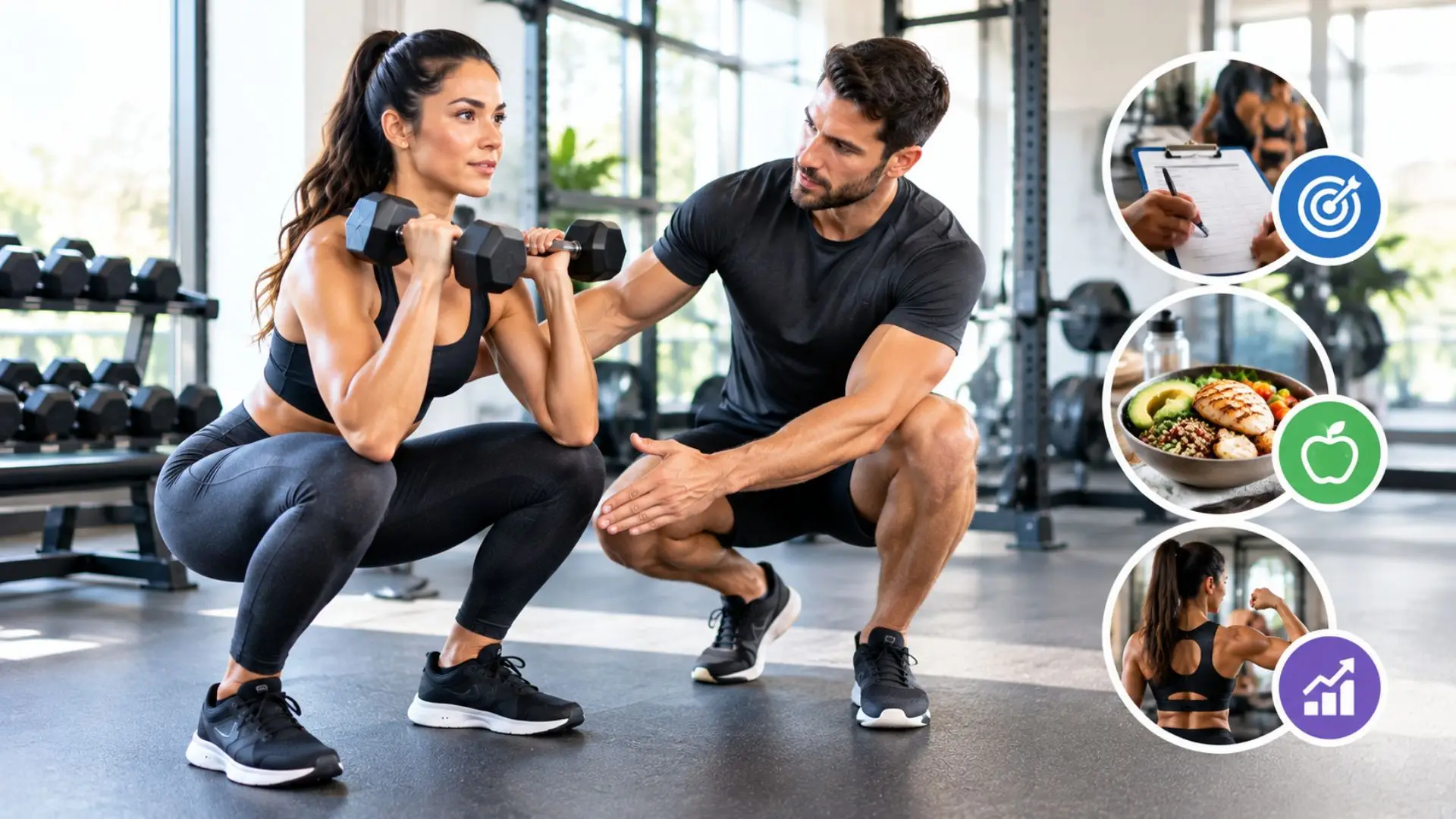
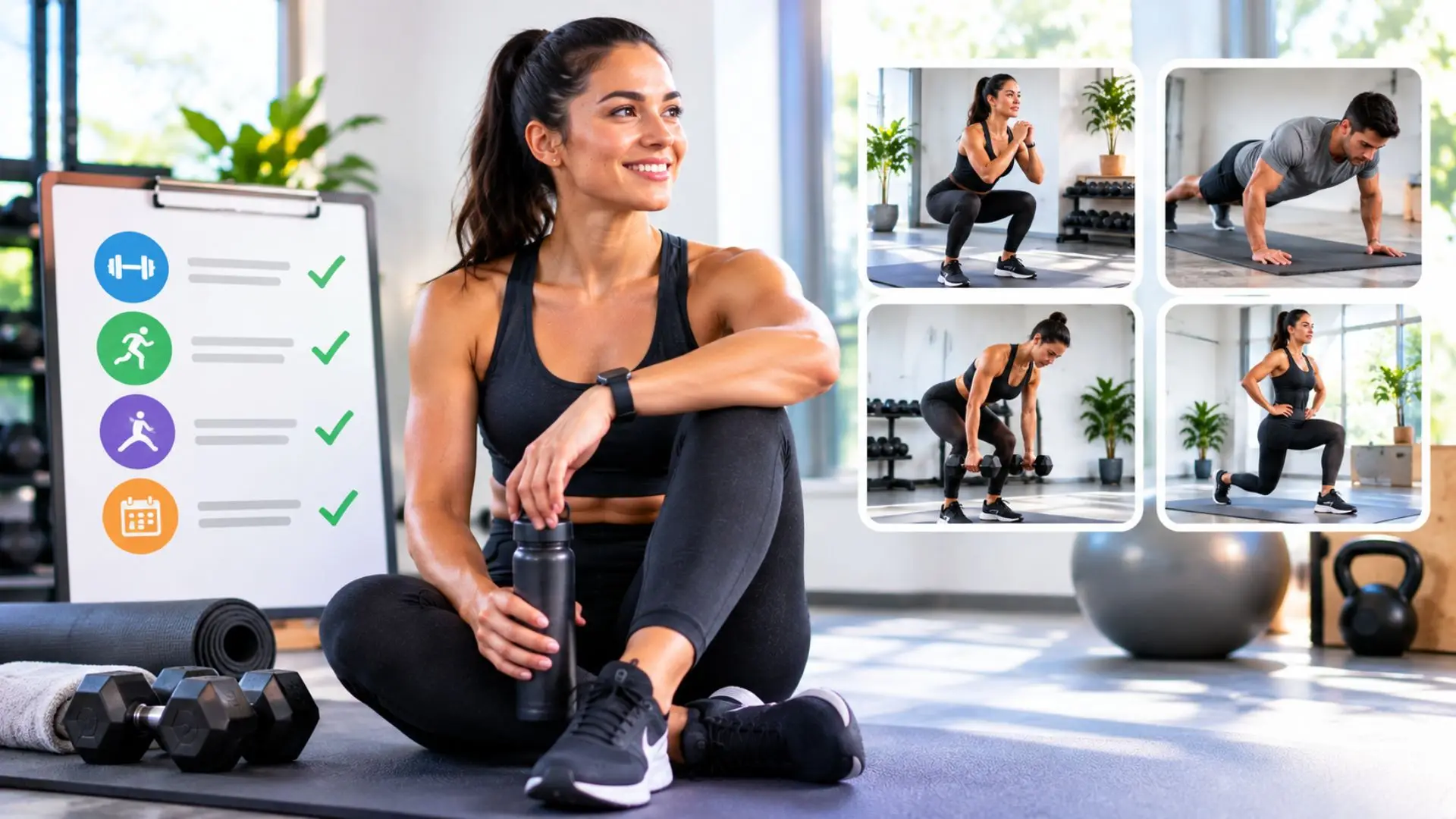
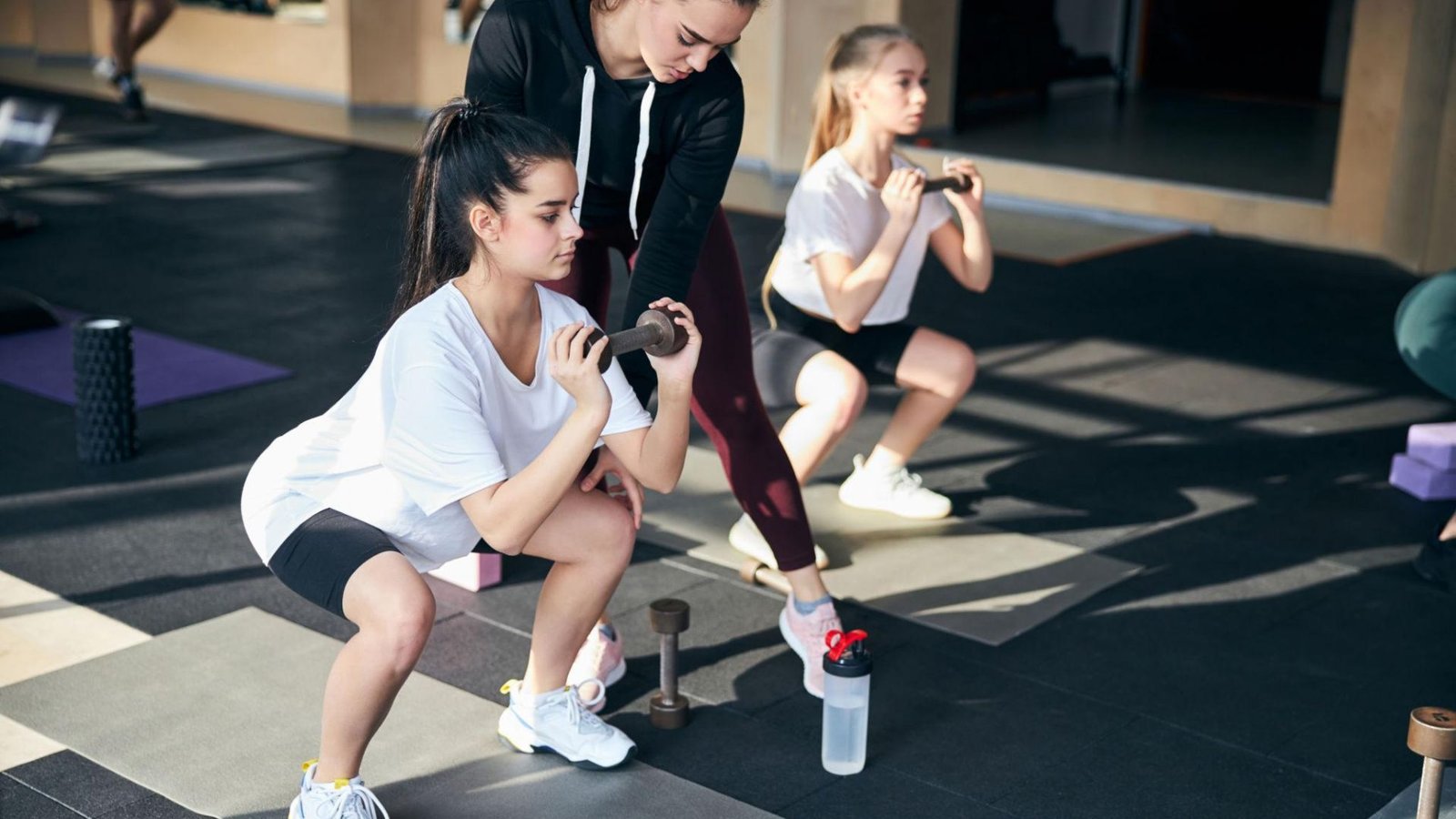
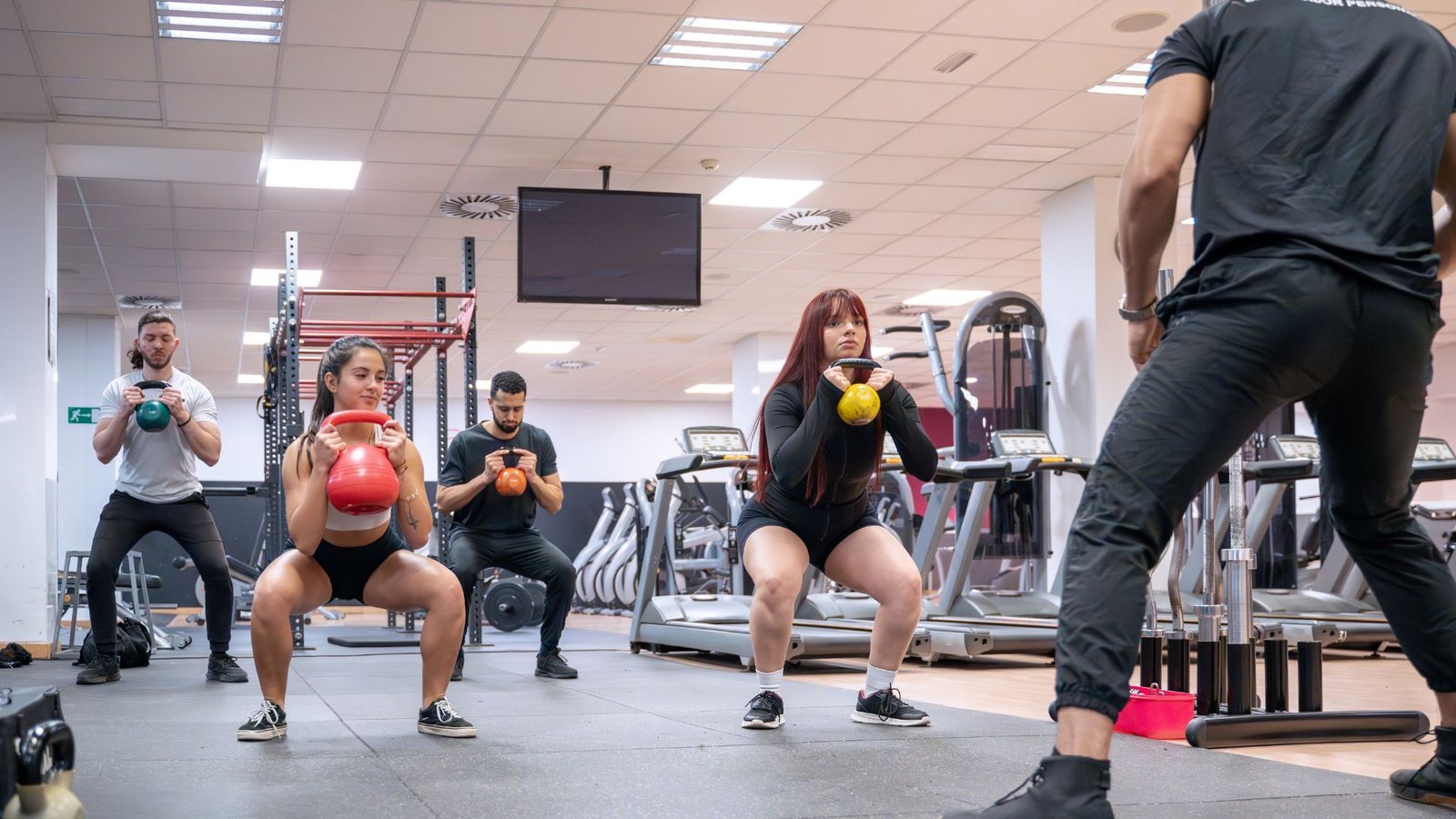
Goblet Squats
- 3 sets of 10 repetitions
This exercise strengthens your legs and core while teaching proper squat mechanics.
Push-Ups or Incline Push-Ups
- 3 sets of 8–10 repetitions
Push-ups help build upper body strength and core stability.
Dumbbell Rows
- 3 sets of 10 repetitions
Rows strengthen the back and improve posture.
Plank
- 3 rounds of 20–30 seconds
Planks build core strength and stability.
Workout 2
Dumbbell Deadlifts
- 3 sets of 10 repetitions
Deadlifts strengthen the lower body, glutes, and back.
Shoulder Press
- 3 sets of 10 repetitions
This exercise develops shoulder strength and upper body control.
Walking Lunges
- 3 sets of 12 repetitions
Lunges improve balance, coordination, and leg strength.
Bicycle Crunches
- 3 rounds of 15 repetitions
This movement targets the core and improves abdominal endurance.
Workout 3
Step-Ups
- 3 sets of 12 repetitions
Step-ups build lower body strength and functional movement.
Lat Pulldowns or Assisted Pull-Ups
- 3 sets of 10 repetitions
These exercises strengthen the back and improve pulling strength.
Dumbbell Romanian Deadlifts
- 3 sets of 10 repetitions
Great for strengthening the hamstrings and glutes.
Mountain Climbers
- 3 rounds of 20 seconds
Mountain climbers improve conditioning and core stability.
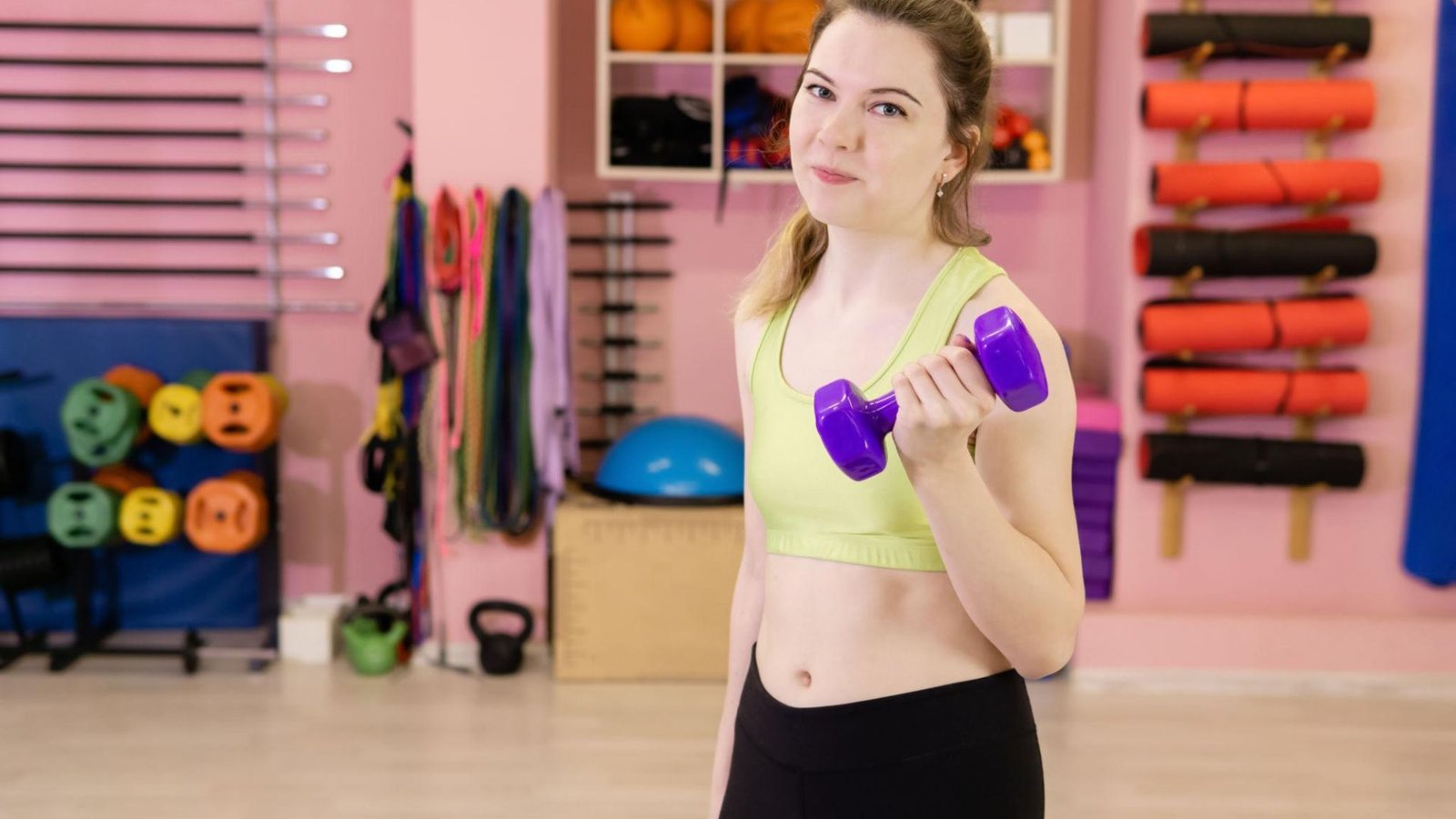
How Much Weight Should Beginners Use?
One of the biggest beginner mistakes is lifting too heavy too soon.
Start with a weight that:
- Feels challenging
- Allows proper form
- Lets you complete all repetitions safely
A good rule is that the final few reps should feel difficult but manageable.
As you become stronger, gradually increase the weight over time.
The Importance of Proper Form
Learning proper technique is more important than lifting heavy weights.
Good form helps:
- Prevent injuries
- Improve results
- Build confidence
- Strengthen muscles correctly
If possible, work with a personal trainer or watch instructional videos from trusted fitness professionals.
Nutrition Tips for Strength Training Beginners
Exercise is only one part of the equation. Proper nutrition supports recovery and muscle growth.
Focus on These Basics
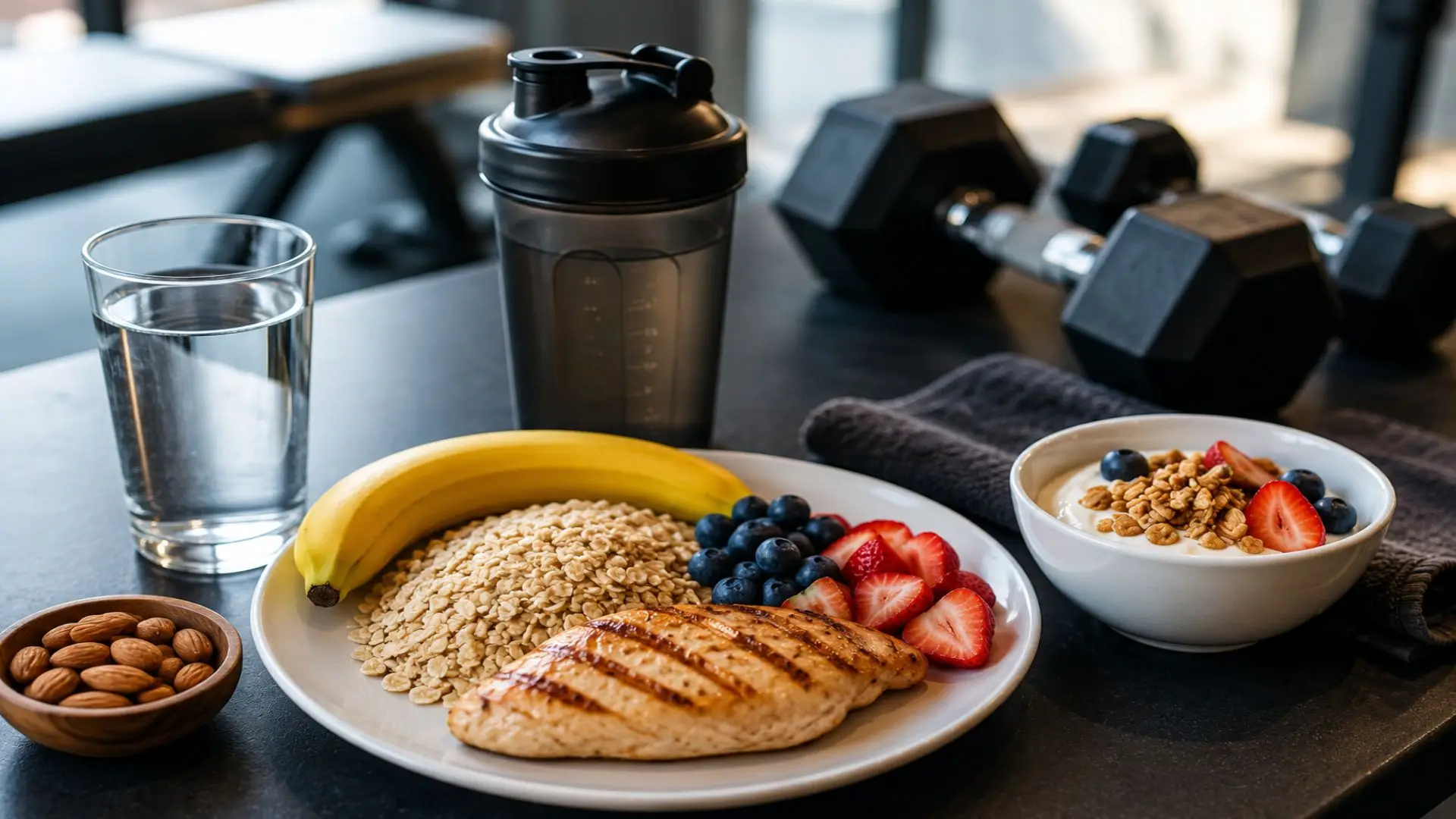
Eat Enough Protein
Protein supports muscle repair and recovery.
Examples include:
- Chicken
- Fish
- Eggs
- Greek yogurt
- Beans
- Protein shakes
Stay Hydrated
Water supports performance, recovery, and energy levels.
Eat Balanced Meals
Include:
- Lean proteins
- Healthy carbohydrates
- Fruits and vegetables
- Healthy fats
You do not need extreme diets to see progress.
Common Beginner Strength Training Mistakes
Avoiding these mistakes can help you stay motivated and injury-free.
Skipping Warm-Ups
Always warm up before workouts with light movement and stretching.
Doing Too Much Too Soon
Start slow and focus on consistency instead of intensity.
Ignoring Recovery
Rest days are important for muscle growth and recovery.
Comparing Yourself to Others
Everyone starts somewhere. Focus on your own progress.
How Long Does It Take to See Results?
Beginners often notice:
- Increased energy within 2–3 weeks
- Strength improvements within 4 weeks
- Visible body changes within 8–12 weeks
Consistency is the key to long-term success.
Small improvements over time create lasting results.
Tips to Stay Consistent With Strength Training
Set Realistic Goals
Focus on building habits instead of perfection.
Track Your Progress
Write down:
- Exercises
- Weights used
- Repetitions completed
Tracking helps you see improvement over time.
Keep Workouts Simple
You do not need complicated routines to get stronger.
Celebrate Small Wins
Every completed workout is progress worth recognizing.
Frequently Asked Questions
Yes. When done with proper form and gradual progression, strength training is safe and highly beneficial.
Three days per week is a great starting point for most adults new to fitness.
No. Many beginner exercises can be done at home using dumbbells or resistance bands.
Yes. Strength training builds muscle, boosts metabolism, and supports long-term fat loss.
Most beginner workouts can be completed in 45–60 minutes.
Final Thoughts
Starting a beginner strength training routine can feel challenging at first, but you do not need to be perfect to make progress. The most important step is simply getting started and staying consistent.
Focus on learning proper movement patterns, improving gradually, and creating a routine that fits your lifestyle. Over time, strength training can help you feel stronger, healthier, more confident, and more energized in your daily life.
Remember, lasting fitness results come from consistency—not extreme workouts or quick fixes.
Ready to Start Your Fitness Journey?
At Personal Training St. George, we help beginners build confidence with personalized training programs designed for real-life results. Whether your goal is strength, fat loss, or overall health, our expert coaching can help you stay motivated and make progress safely.
Take the first step toward a stronger, healthier you and start your fitness journey with professional guidance today.