Getting in shape doesn’t always require going to a gym or meeting a personal trainer in person. With online personal training, you can receive professional fitness guidance, follow customized workouts, and track your progress from home or wherever you prefer to exercise.
But how does online personal training actually work?
Online personal training connects you with a coach who creates a fitness program based on your goals, experience, schedule, and available equipment. Through virtual communication, workout plans, and regular progress reviews, you receive guidance while exercising on your own schedule.
Here’s what you can expect when you start working with an online personal trainer.
1. Start With an Initial Consultation
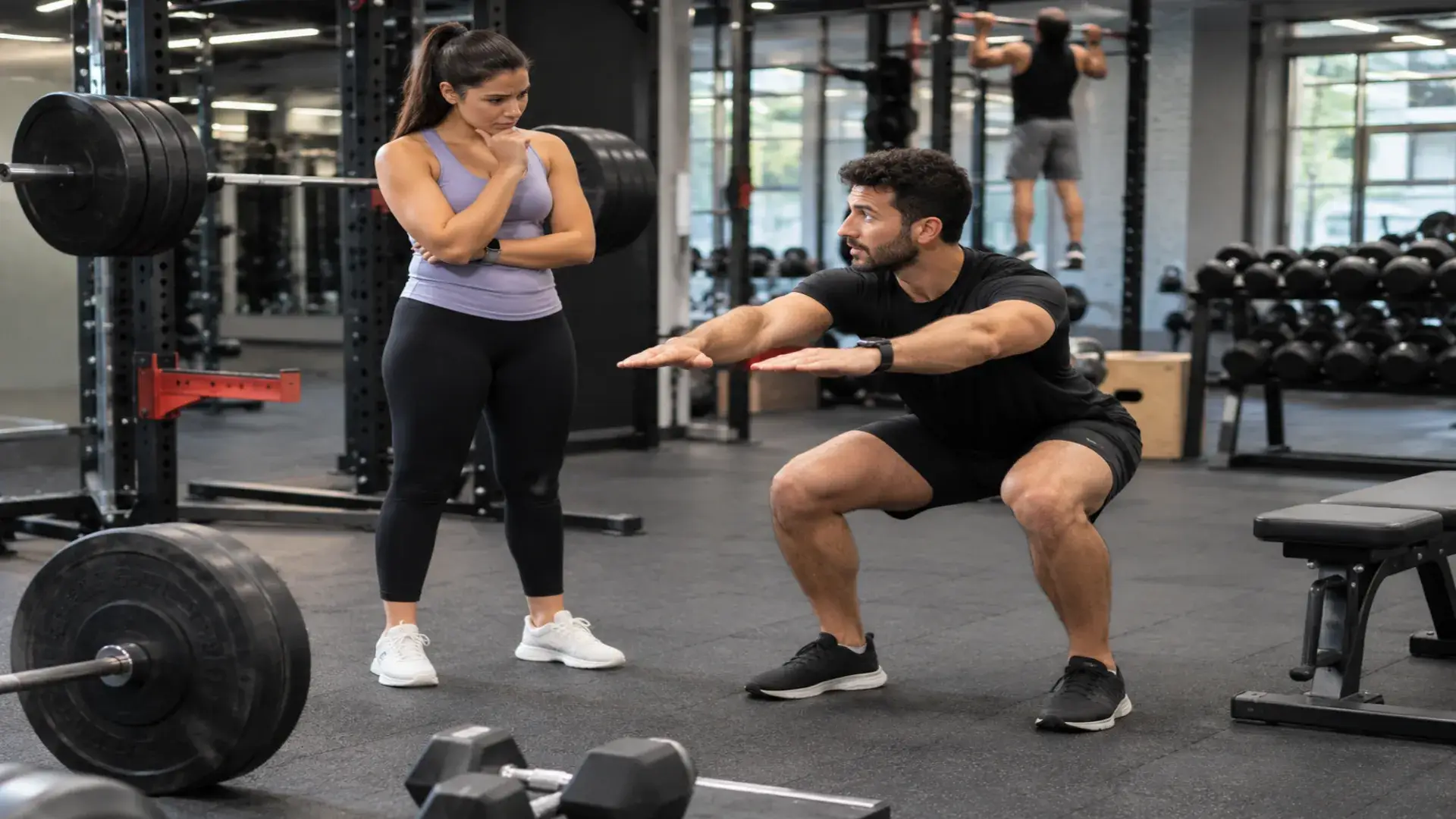
The first step is usually an initial consultation with your trainer. This gives the coach an opportunity to understand your current fitness level, goals, and expectations.
You may be asked about:
Your main fitness goals, such as losing weight or building muscle.
Your current exercise routine and training experience.
Your available workout days and preferred schedule.
Whether you exercise at home or in a gym.
Any physical limitations or previous injuries that may affect exercise selection.
Your eating habits and general lifestyle.
This information helps your trainer understand what you need and develop a program that fits your circumstances.
For example, someone who wants to lose weight and has only three days available for exercise will need a different approach from someone who wants to build muscle and can train five days a week.
2. Receive a Personalized Workout Plan
After learning about your goals, your online personal trainer creates a workout program designed around your needs.
Rather than following random exercise videos or a generic fitness routine, you’ll have a structured plan that tells you what exercises to perform, how many sets and repetitions to complete, and how often to train.
Depending on your goals, your program may include:
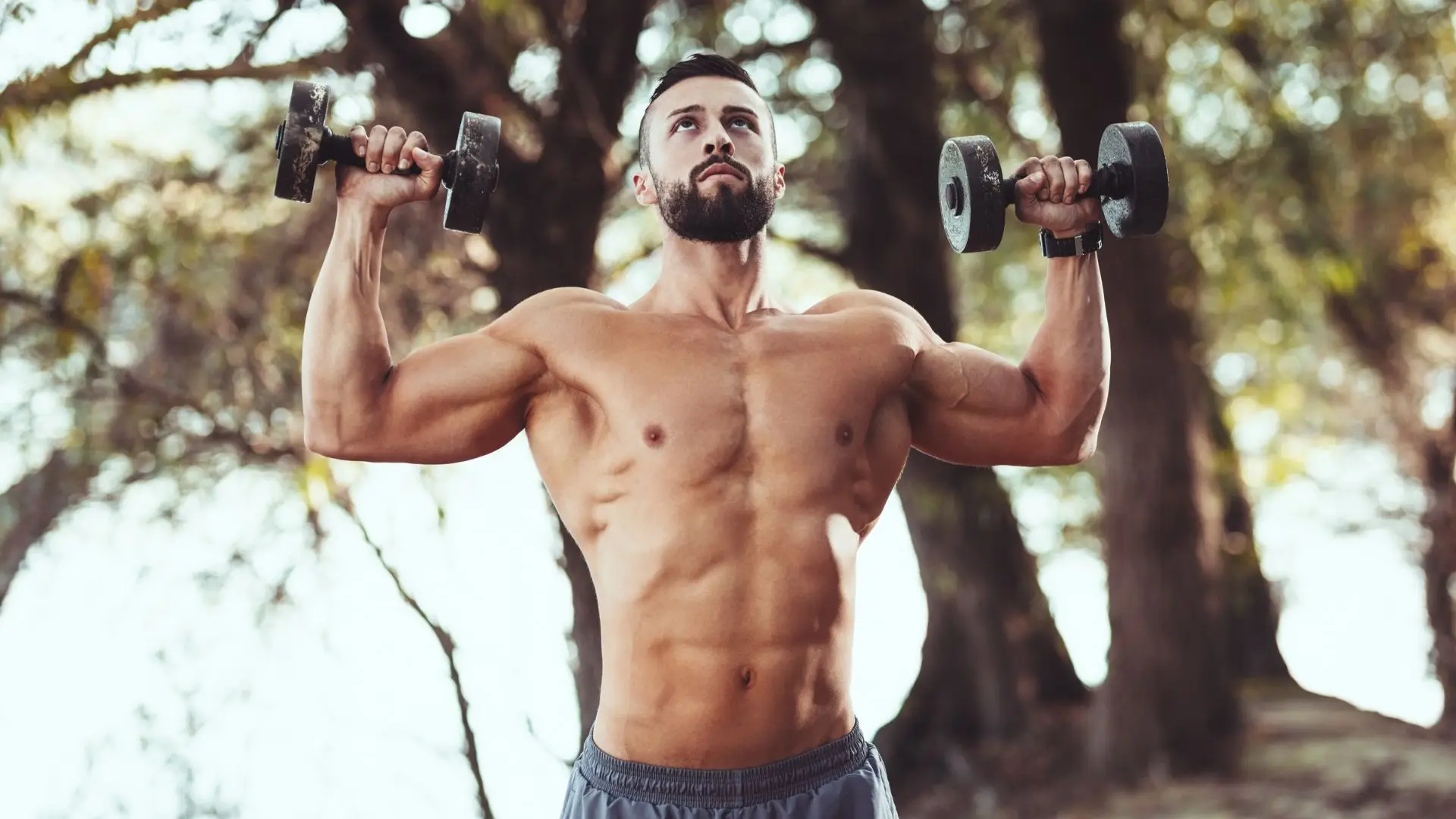
Strength training to develop muscle and improve strength.
Cardiovascular exercise to support heart health and calorie expenditure.
Core exercises to improve abdominal and trunk strength.
Mobility work to support movement and flexibility.
Recovery days to allow your body to rest.
Your trainer may also adjust exercises based on the equipment you have available.
If you train at home, for example, your workouts can use dumbbells, resistance bands, or bodyweight movements. If you have access to a gym, your program can include machines and heavier weights.
3. Follow Your Workouts From Home or the Gym
One of the biggest advantages of online personal training is flexibility. You don’t necessarily need to travel to a gym or follow a trainer’s fixed appointment schedule.
Once you receive your program, you can complete your workouts at your preferred location and scheduled training times.
Your trainer may provide exercise demonstrations, written instructions, videos, or access to a training platform to help you understand each movement.
This can be particularly useful for busy professionals, parents, and people who prefer exercising at home.
However, flexibility doesn’t mean training without direction. You should still follow the recommended exercises, training intensity, and recovery schedule to work toward your goals safely.
4. Get Nutrition Guidance to Support Your Goals
Exercise is only one part of improving your fitness. Your eating habits also influence your ability to lose body fat, build muscle, and recover from workouts.
Depending on the coaching service, your online trainer may provide general nutrition guidance to help you make better food choices.
For example, if your goal is to build muscle, you may need to focus on getting enough protein and calories to support muscle development. If you’re trying to lose weight, managing your calorie intake while eating satisfying, nutritious meals can help.
A balanced eating plan may include:
Protein sources such as eggs, chicken, fish, lean meat, and Greek yogurt.
Carbohydrates such as oats, rice, potatoes, and whole grains.
Healthy fats from nuts, seeds, avocados, and olive oil.
Fruits and vegetables for fiber, vitamins, and minerals.
Nutrition recommendations should reflect your individual needs. For medical conditions or specialized dietary requirements, consult a qualified healthcare or nutrition professional.
5. Communicate With Your Personal Trainer
Online coaching doesn’t mean you’re left to figure everything out alone.
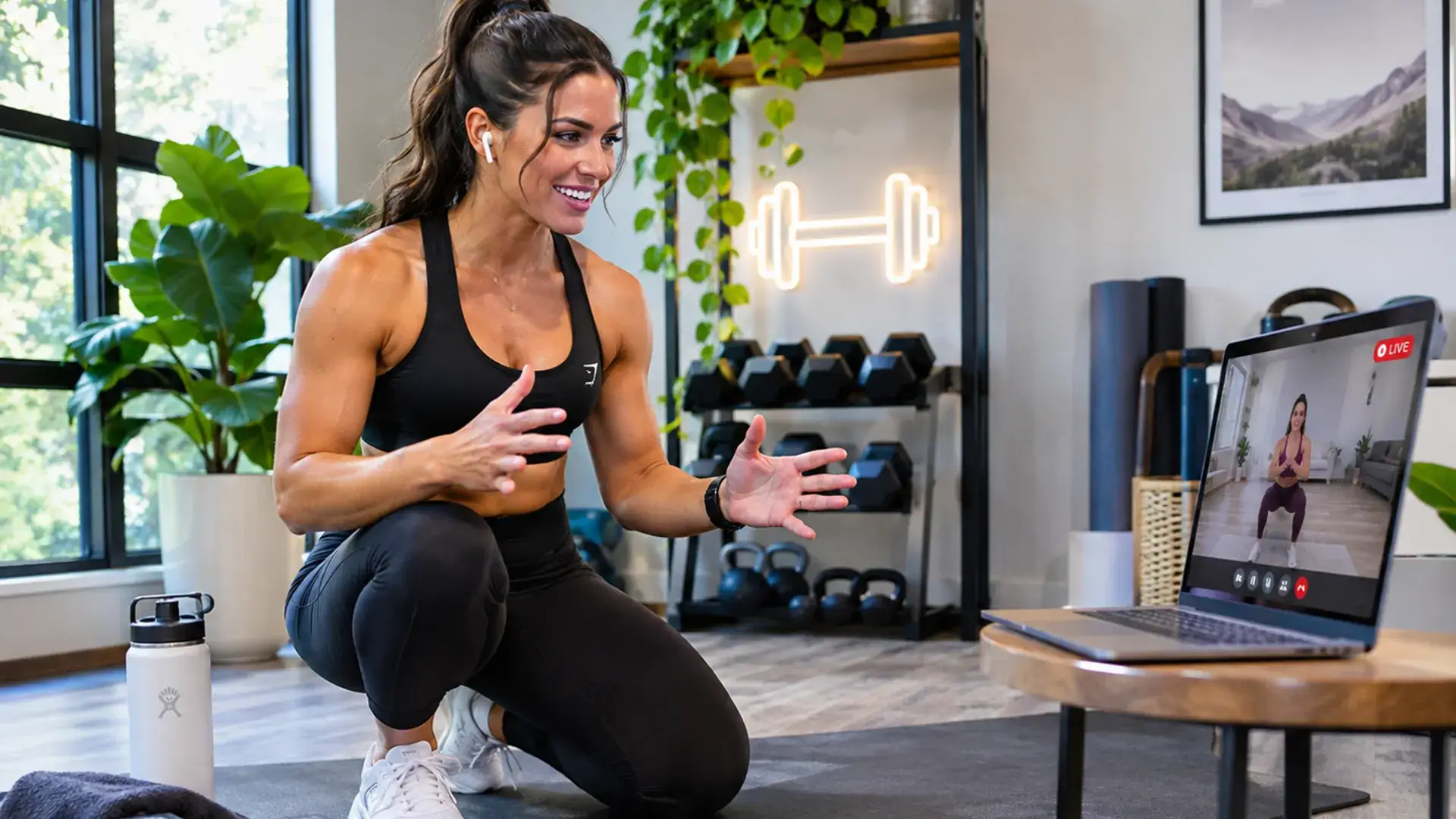
Communication is an important part of the process. Depending on the program, you may connect with your trainer through email, messaging platforms, coaching applications, or video calls.
You can use these communication channels to:
Ask questions about your workout routine.
Discuss exercises that feel too difficult.
Share workout updates and progress.
Request adjustments to your training schedule.
Get feedback and encouragement.
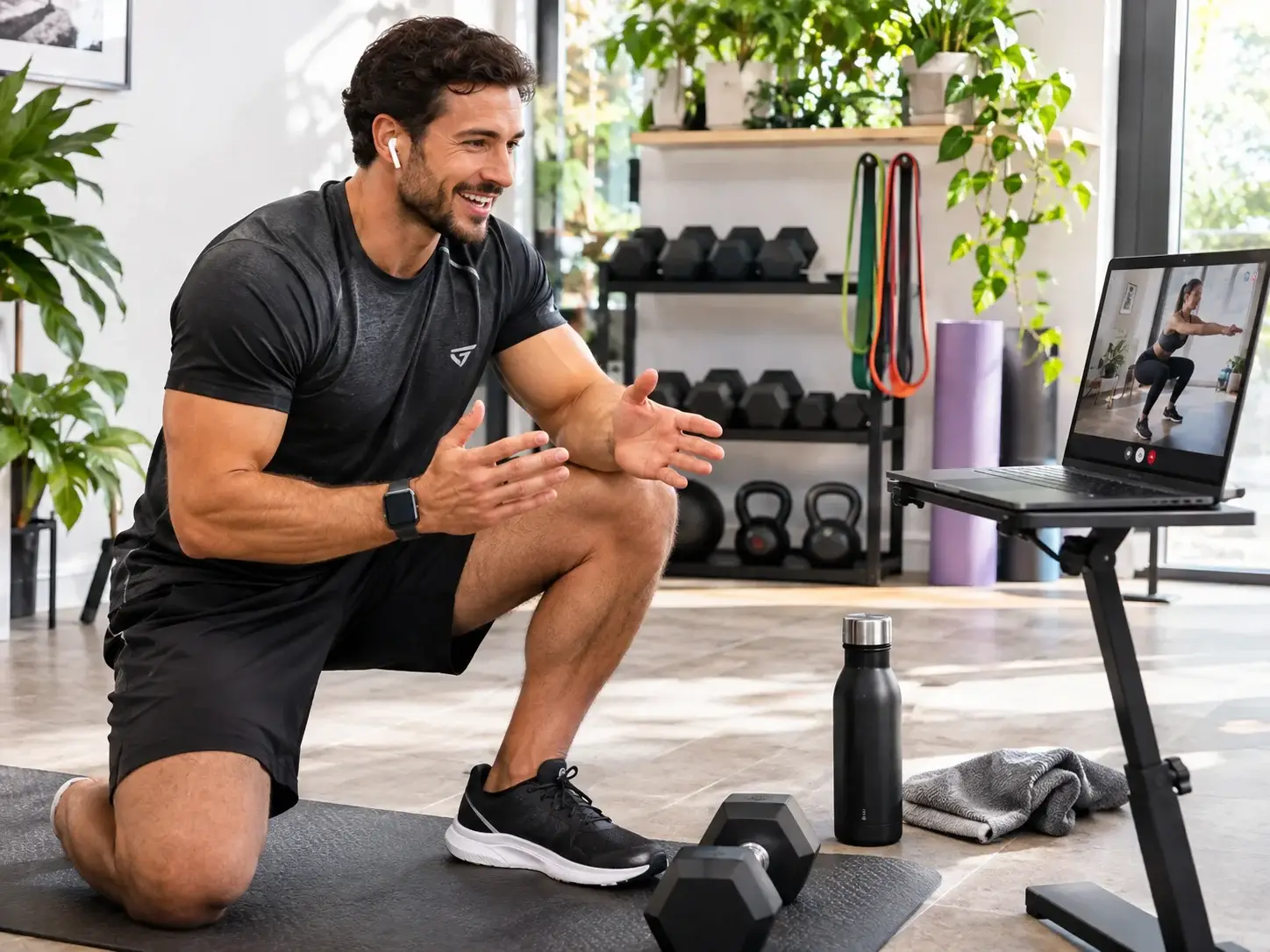
Some programs include live virtual sessions, while others focus on independent workouts with scheduled check-ins.
Before signing up, find out how often you’ll communicate with your trainer and what kind of support is included.
6. Track Your Progress and Adjust Your Program
A good online personal training program should include a way to monitor your progress.
Your trainer may review your workout performance, body measurements, strength improvements, fitness assessments, and other indicators related to your goals.
For example, if you’re working toward building muscle, your trainer may track the amount of weight you lift and the number of repetitions you complete.
If your goal is weight loss, progress may also be measured through body measurements, weight trends, fitness improvements, and changes in your daily habits.
Based on your results, your trainer can adjust your workout plan to keep it appropriate for your current ability.
This is important because your fitness needs can change as you become stronger, improve your endurance, or develop new goals.
What Equipment Do You Need for Online Personal Training?
You don’t need an expensive home gym to get started. The equipment you need depends on your workout program and fitness goals.
Some useful options include:
| Equipment | How It Helps |
|---|---|
| Dumbbells | Strength training and muscle development |
| Resistance bands | Resistance exercises and muscle activation |
| Exercise mat | Floor exercises and stretching |
| Adjustable bench | Different upper-body and lower-body exercises |
| Exercise bike or treadmill | Cardiovascular training |
If you don’t have equipment, your trainer may recommend bodyweight exercises such as squats, push-ups, lunges, and planks.
Start with what you have and add equipment only when your training needs require it.
Who Can Benefit From Online Personal Training?
Online personal training can work for different fitness levels and lifestyles, especially for people who want flexibility and structured guidance.
Busy Professionals
If you have a demanding work schedule, online training lets you complete workouts around your daily responsibilities without spending time commuting to a gym.
Parents and Stay-at-Home Individuals
Parents can fit workouts into their available time while managing family responsibilities. Training at home can make it easier to maintain a consistent routine.
Fitness Beginners
If you’re new to exercise, a personalized program can help you understand which workouts to perform and how to progress gradually.
People Who Want to Build Muscle or Lose Weight
Whether your goal is gaining strength, developing muscle, or reducing body fat, an online trainer can organize your workouts around your specific objective.
Is Online Personal Training Worth It?
Online personal training can be a worthwhile option if you value flexibility, personalized programming, and ongoing coaching support.
It can also help you avoid the confusion of choosing exercises and creating workout schedules on your own.
However, the quality of the experience depends on the trainer, the level of communication, and your commitment to following the program.
Before choosing a service, check whether it offers customized workouts, progress reviews, exercise instructions, and clear communication with your coach.
If you need frequent hands-on exercise corrections or close supervision, in-person training may be a better fit. Some people also benefit from combining online coaching with occasional in-person sessions.
Frequently Asked Questions
Can online personal training work for beginners?
Yes. Online personal training can be suitable for beginners because the program can start with basic exercises and gradually become more challenging as your fitness improves. Look for a coach who provides clear exercise instructions and appropriate support.
How often do you communicate with an online personal trainer?
It depends on the coaching service. Some programs offer daily messaging, weekly check-ins, or scheduled video calls. Ask about the communication schedule before choosing a program.
Do I need a gym membership for online personal training?
No. Many online programs can be completed at home using bodyweight exercises, dumbbells, or resistance bands. Your equipment requirements will depend on your goals and workout plan.
How long does it take to see results with online personal training?
Results vary based on your starting fitness level, consistency, nutrition, training plan, and recovery. You may notice improvements in strength and energy before seeing major physical changes. Following your program consistently gives you a better opportunity to make progress.
Is online personal training cheaper than in-person training?
Online coaching can be less expensive than traditional one-on-one gym sessions, but prices vary depending on the trainer, level of customization, and support included. Compare what each program offers rather than choosing based on price alone.
Take Control of Your Fitness With Online Personal Training
Online personal training makes it possible to work toward your fitness goals with professional guidance while maintaining a flexible schedule. From your initial consultation and customized workout plan to nutrition guidance and progress tracking, the process gives you a clear direction for your fitness journey.
You don’t need to figure everything out by yourself. With a suitable program, consistent effort, and regular communication with your coach, you can build healthier habits and make steady progress.
Ready to get started? Explore online personal training with Personal Training St. George and find a coaching program that fits your goals, fitness level, and lifestyle.