A fat loss workout should do more than make you sweat. While intense sessions may feel productive, true fat loss comes from a structured plan that balances strength training, cardio, and recovery. Many people struggle because they focus only on burning calories, ignoring muscle preservation and long-term consistency.
The most effective fat loss workout is one you can maintain over time. When training supports your energy levels, recovery, and lifestyle, fat loss becomes a natural outcome rather than a constant struggle.
What Makes a Fat Loss Workout Effective?
An effective fat loss workout focuses on three key elements: resistance training, cardiovascular exercise, and recovery. Each plays an important role in changing body composition.
Strength training preserves lean muscle, which helps keep your metabolism higher as you lose fat. Cardio increases daily calorie expenditure and supports heart health. Recovery allows your body to adapt and prevents burnout or injury.
Fat loss is not about doing more workouts, but about doing the right workouts consistently.
Strength Training as the Foundation of Fat Loss
Strength training should be the foundation of any fat loss workout. While cardio burns calories during the workout, strength training increases calorie burn long after the session ends.
Compound exercises such as squats, presses, rows, and deadlifts recruit multiple muscle groups and demand more energy. These movements are efficient, effective, and ideal for fat loss.
Training with resistance also helps prevent muscle loss, which is common when people rely solely on cardio. Maintaining muscle gives your body a leaner, more defined appearance as fat is lost.
Cardio That Supports Fat Loss Without Burnout
Cardio is a useful tool in a fat loss workout, but it does not need to be extreme. Moderate-intensity cardio such as brisk walking, cycling, or swimming is effective and easier to recover from.
High-intensity interval training can be added once or twice per week for those with a solid fitness base. Short bursts of effort followed by recovery periods increase calorie burn in less time.
The best cardio is the one you enjoy and can perform consistently without feeling drained.
Why Recovery Matters for Fat Loss
Recovery is often underestimated, yet it plays a major role in fat loss success. Poor recovery can disrupt hormones that regulate hunger, stress, and fat storage.
Rest days allow muscles to repair and energy levels to reset. Active recovery sessions, such as stretching or light movement, improve circulation and reduce stiffness.
A sustainable fat loss workout plan includes rest as part of the process, not as an afterthought.
Sample Fat Loss Workout Program
Below is a simple weekly structure designed to support fat loss while maintaining strength and energy.
| Day | Focus | Example Exercises |
|---|---|---|
| Monday | Full Body Strength | Squats, Push-Ups, Rows |
| Tuesday | Cardio | Brisk Walking or Cycling |
| Wednesday | Upper Body Strength | Presses, Pull Movements |
| Thursday | Active Recovery | Mobility or Stretching |
| Friday | Lower Body Strength | Lunges, Deadlifts |
| Saturday | Cardio | Intervals or Steady Cardio |
| Sunday | Rest | Full Recovery |
This structure balances training intensity with recovery, making it easier to stay consistent.
Nutrition and Lifestyle Support Fat Loss Workouts
Even the best fat loss workout will fall short without supportive lifestyle habits. Nutrition, sleep, and stress management all influence fat loss outcomes.
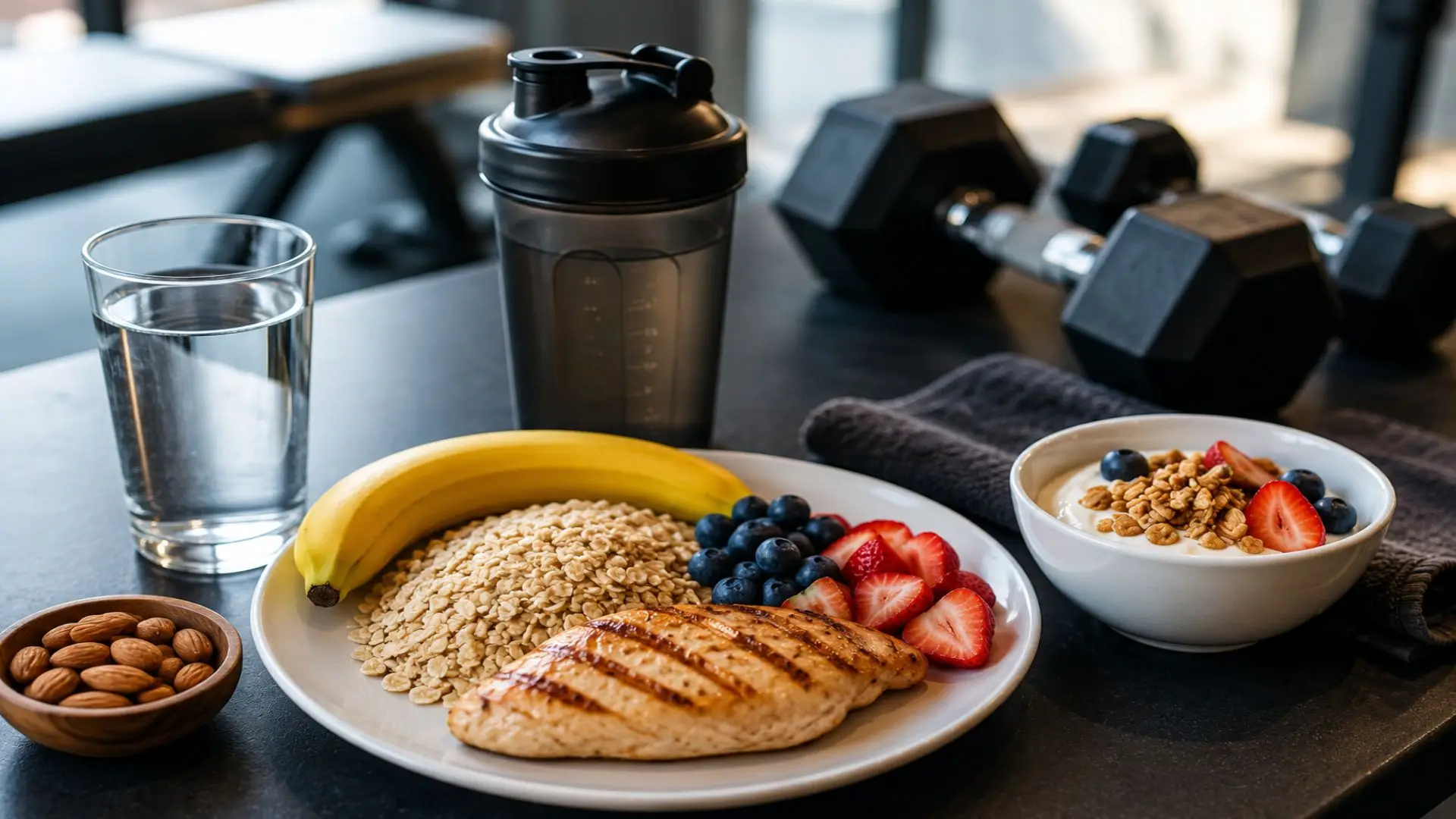
Eating enough protein helps preserve muscle and control appetite. Balanced meals support training performance and recovery. Quality sleep improves hormone regulation, making fat loss more achievable.
Fat loss happens when workouts and daily habits work together.
Common Fat Loss Workout Mistakes
One common mistake is doing excessive cardio while neglecting strength training. This can lead to muscle loss and a slower metabolism.
Another mistake is inconsistency. Switching programs too often or training sporadically prevents progress. A simple plan followed consistently will always outperform a complex plan done occasionally.
Trying to train intensely every day can also backfire. Fatigue and burnout reduce motivation and increase injury risk.
Staying Consistent for Long-Term Fat Loss
The most successful fat loss workout is one that fits your schedule and energy levels. Short, focused workouts are often more effective than long sessions that are hard to maintain.
Tracking progress, setting realistic goals, and celebrating small improvements help build momentum. Fat loss is a gradual process, but consistency makes it sustainable.
Start Your Fat Loss Workout Journey Today
If you are ready to stop guessing and start seeing real results, now is the time to commit to a structured fat loss workout. Use the sample program above as a starting point or work with a qualified fitness professional to create a plan tailored to your goals. Take action today and begin building a stronger, leaner, and healthier body you can maintain for life.