Grip strength plays a crucial role in nearly every upper-body pulling movement. Whether you are performing deadlifts, barbell rows, or pull-ups, your hands and forearms often fatigue before your larger muscle groups do. This is where straps for weight training become valuable tools in your strength-building journey.
Many lifters hesitate to use straps because they believe they weaken grip strength. However, when used strategically, straps for weight training can actually support long-term grip development while allowing you to train harder and more effectively.
Let’s break down how they work and how to use them properly.
What Are Straps for Weight Training?
Straps for weight training are durable cotton, nylon, or leather wraps designed to loop around your wrist and the barbell or dumbbell. They help secure your grip by reducing the amount of force your hands must exert to hold the weight.
They are commonly used for:
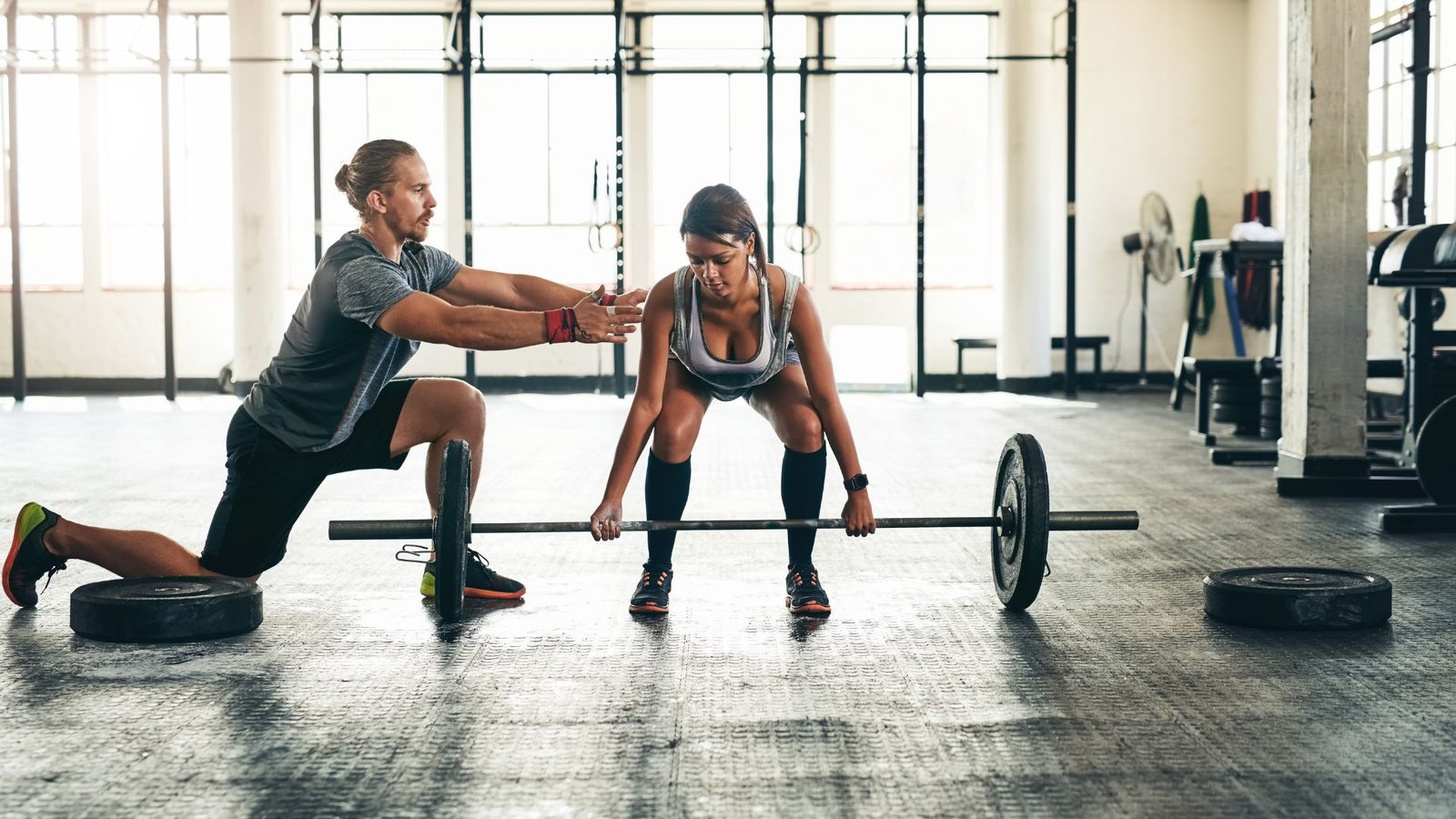
Deadlifts
Romanian deadlifts
Barbell rows
Shrugs
Pull-ups
Lat pulldowns
By reinforcing your hold on the bar, straps allow you to focus on proper form and muscle engagement instead of worrying about grip failure.
How Straps Help Improve Grip Strength
At first glance, it may seem that reducing grip demand would limit strength development. In reality, straps for weight training can enhance your progress in several ways.
1. They Allow Heavier Loads
Grip strength often becomes the limiting factor during heavy lifts. When your hands give out before your back or legs are fully fatigued, you miss out on potential muscle growth. Straps allow you to lift heavier weights safely, leading to overall strength gains.
As your total lifting capacity increases, your grip is gradually exposed to heavier loads over time.
2. They Reduce Early Forearm Fatigue
During high-volume workouts, your forearms may tire quickly. Using straps for weight training on later sets helps maintain performance so your target muscles receive maximum stimulation.
This improved training quality supports overall muscle growth, including the muscles that contribute to grip strength.
3. They Let You Train Grip Separately
Instead of relying only on compound lifts to develop grip, you can dedicate specific exercises to it, such as:
Farmer’s carries
Dead hangs
Plate pinches
Wrist curls
Using straps during heavy pulling movements preserves energy so you can intentionally train grip strength with focused exercises.
When Should You Use Straps?
The key to benefiting from straps for weight training is balance.
Use Straps When:
Performing near-maximal deadlifts
Completing high-rep back sessions
Training during hypertrophy phases
Recovering from mild hand fatigue
Avoid Using Straps When:
Warming up
Performing light accessory work
Training grip-specific movements
A smart approach ensures your grip continues improving naturally.
Sample Weekly Workout Plan Incorporating Straps
Below is a simple weekly training structure:
| Day | Workout Focus | Strap Usage |
|---|---|---|
| Monday | Back & Deadlifts | Use straps on final heavy sets |
| Tuesday | Chest & Triceps | No straps |
| Wednesday | Grip Training & Core | No straps |
| Thursday | Legs & Romanian Deadlifts | Straps for top sets |
| Friday | Pull-Ups & Rows | Optional for last sets |
| Saturday | Light Cardio or Recovery | None |
| Sunday | Rest | — |
This plan allows you to use straps for weight training strategically while still challenging your natural grip.
Common Myths About Lifting Straps
Myth 1: Straps Make Your Grip Weak
Overusing straps for every set can slow grip progress. However, selective use enhances overall training intensity without harming grip strength.
Myth 2: Only Beginners Need Straps
Many experienced lifters and athletes use straps during heavy training phases. They understand that grip should not prevent progressive overload.
Choosing the Right Straps
Not all straps for weight training are created equal. When selecting a pair, consider:
Strong stitching and durable material
Comfortable wrist support
Adjustable length
Breathable fabric
Proper fit and quality improve both safety and performance.
The Mental Advantage
Confidence matters in strength training. When you know your grip will not fail prematurely, you can focus entirely on form and muscle contraction. This mental edge often leads to better lifts and stronger results.
By eliminating grip anxiety during heavy sets, straps for weight training allow you to push limits safely.
Long-Term Strategy for Grip Development
If your goal is maximum grip strength along with overall muscle growth, follow this approach:
Perform warm-up sets without straps
Use straps only for your heaviest working sets
Include dedicated grip training twice weekly
Gradually increase weight over time
This balanced strategy ensures that straps support your progress rather than replace natural strength development.
Train Smarter and Lift Stronger Starting Today
Straps are not shortcuts. They are performance tools designed to enhance training quality. When used strategically, straps for weight training allow you to push heavier loads, improve muscle activation, and maintain workout intensity.
Take Your Strength Training to the Next Level
If grip fatigue is limiting your lifts, consider integrating straps for weight training into your routine. Combine them with dedicated grip exercises and proper programming to maximize both performance and strength.
Train with purpose, lift with confidence, and build the strength you are capable of achieving.