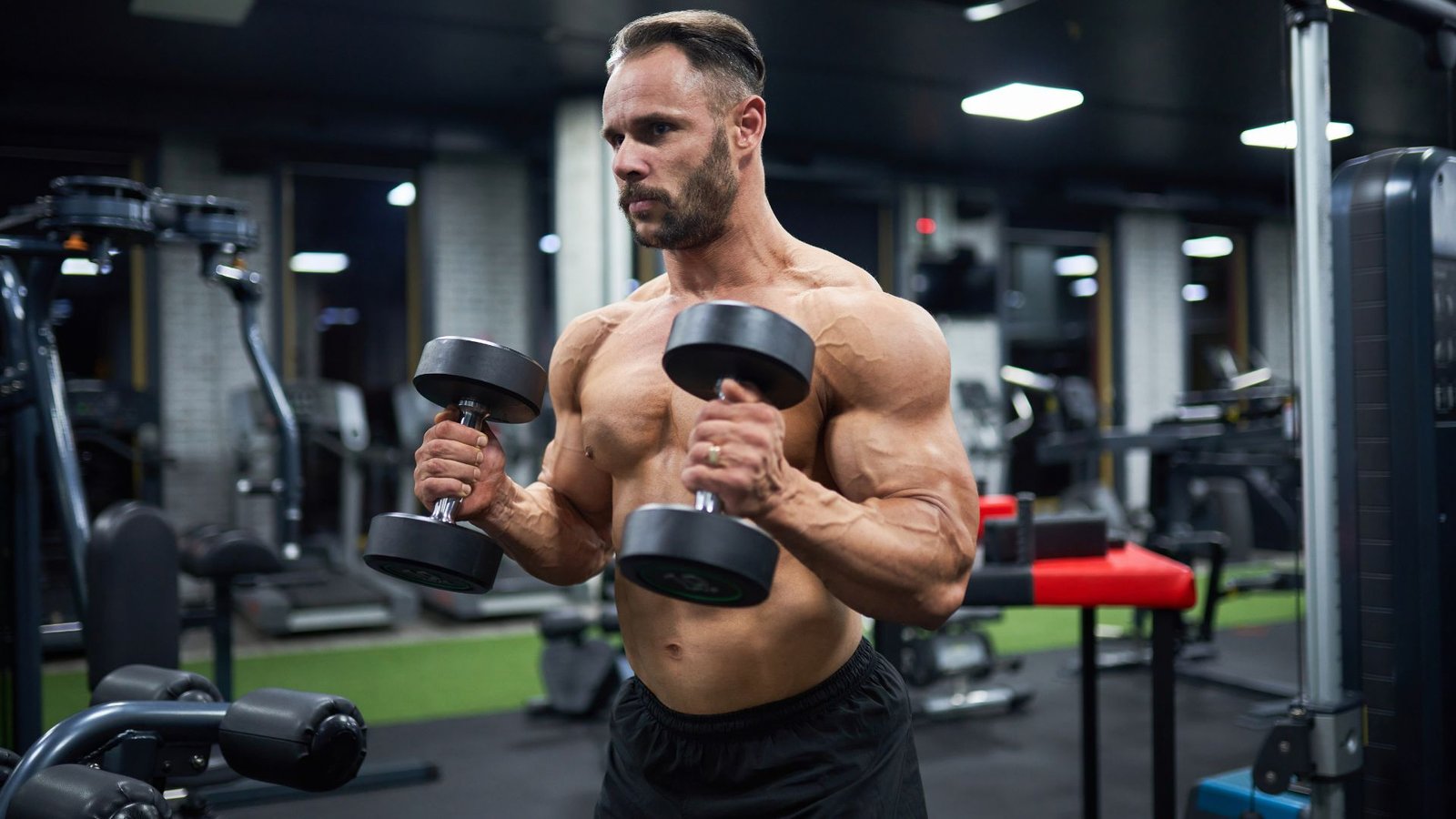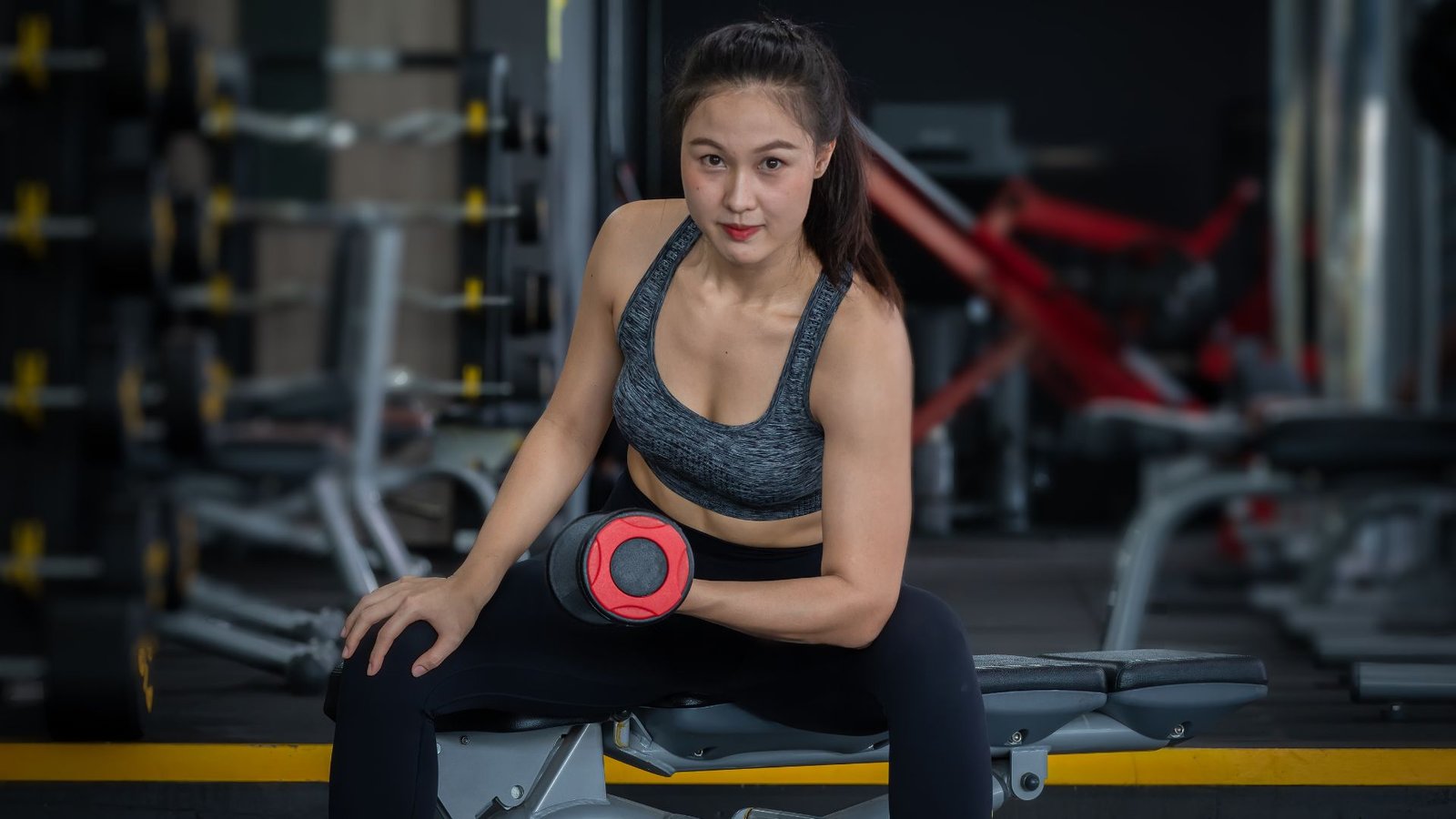
Walking into a gym for the first time can feel intimidating. Rows of machines, racks of weights, and experienced lifters everywhere can make it hard to know where to begin. That’s why following a structured dumbbell routine for beginners is one of the easiest ways to start building strength while gaining confidence in the gym environment.
Dumbbells are perfect for beginners because they allow natural movement, help improve balance, and make it easy to control intensity. With just a few basic exercises, you can train your entire body and see steady progress without needing complicated equipment.
In this guide, you’ll learn why dumbbells are ideal for beginners, which exercises to focus on, and how to follow a simple weekly gym routine designed to help you grow stronger safely.
Why Choose a Dumbbell Routine for Beginners in the Gym?
Unlike machines that lock you into fixed positions, dumbbells require your body to stabilize each movement. This builds functional strength and improves coordination. For beginners, this means learning proper movement patterns early, which reduces injury risk and supports long-term progress.
A dumbbell routine for beginners also helps correct muscle imbalances. Since each arm and leg works independently, weaker sides are forced to catch up, creating more balanced strength.
Training in the gym gives you access to a range of dumbbell weights, benches, and open space, making it easier to progress as you get stronger. You can start light and gradually increase resistance over time, which is key for sustainable results.
Major Muscle Groups You’ll Train With Dumbbells
A well-designed dumbbell routine for beginners targets every major muscle group:
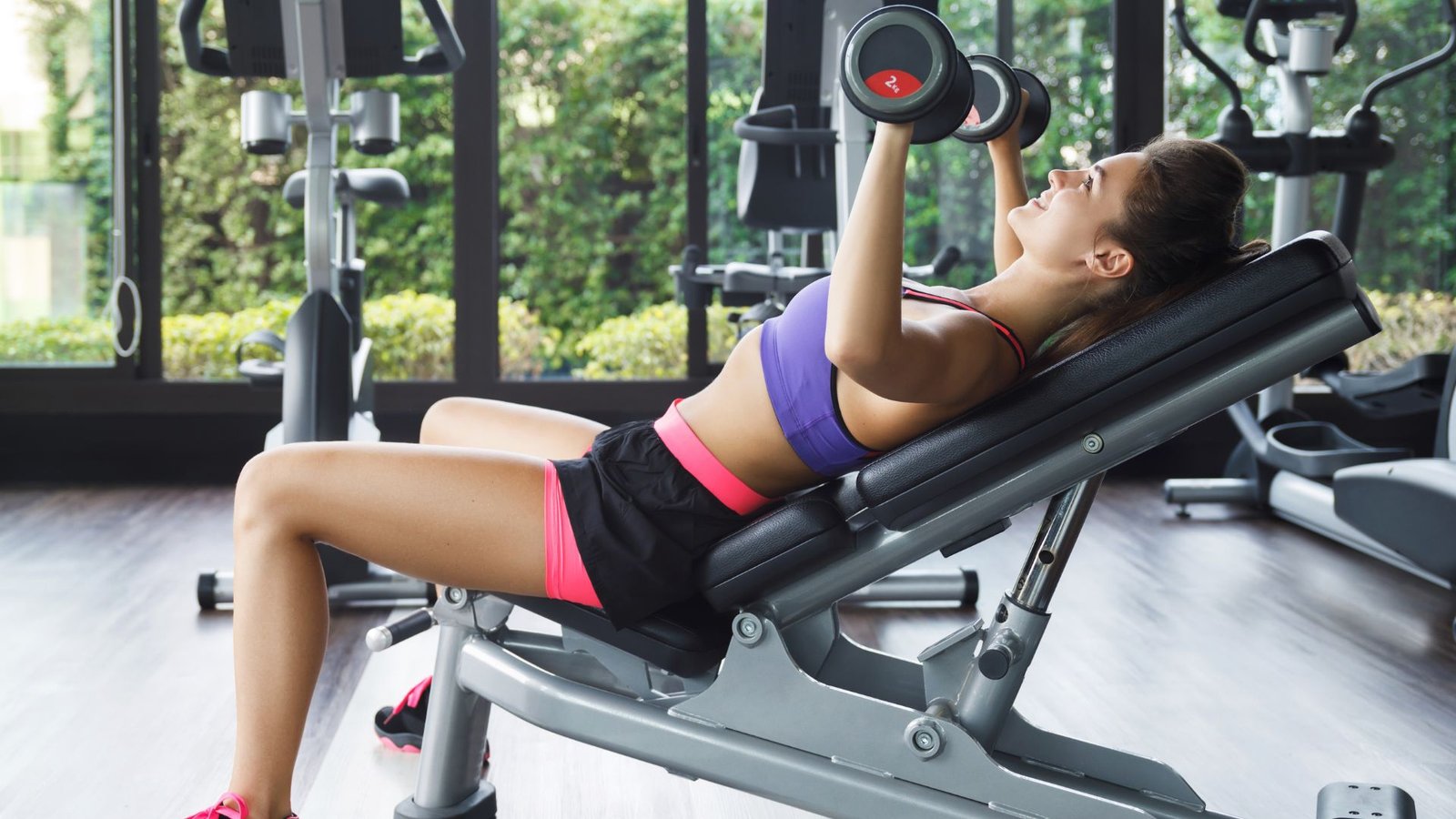
Chest: Dumbbell bench press and incline press
Back: Bent-over rows and single-arm rows
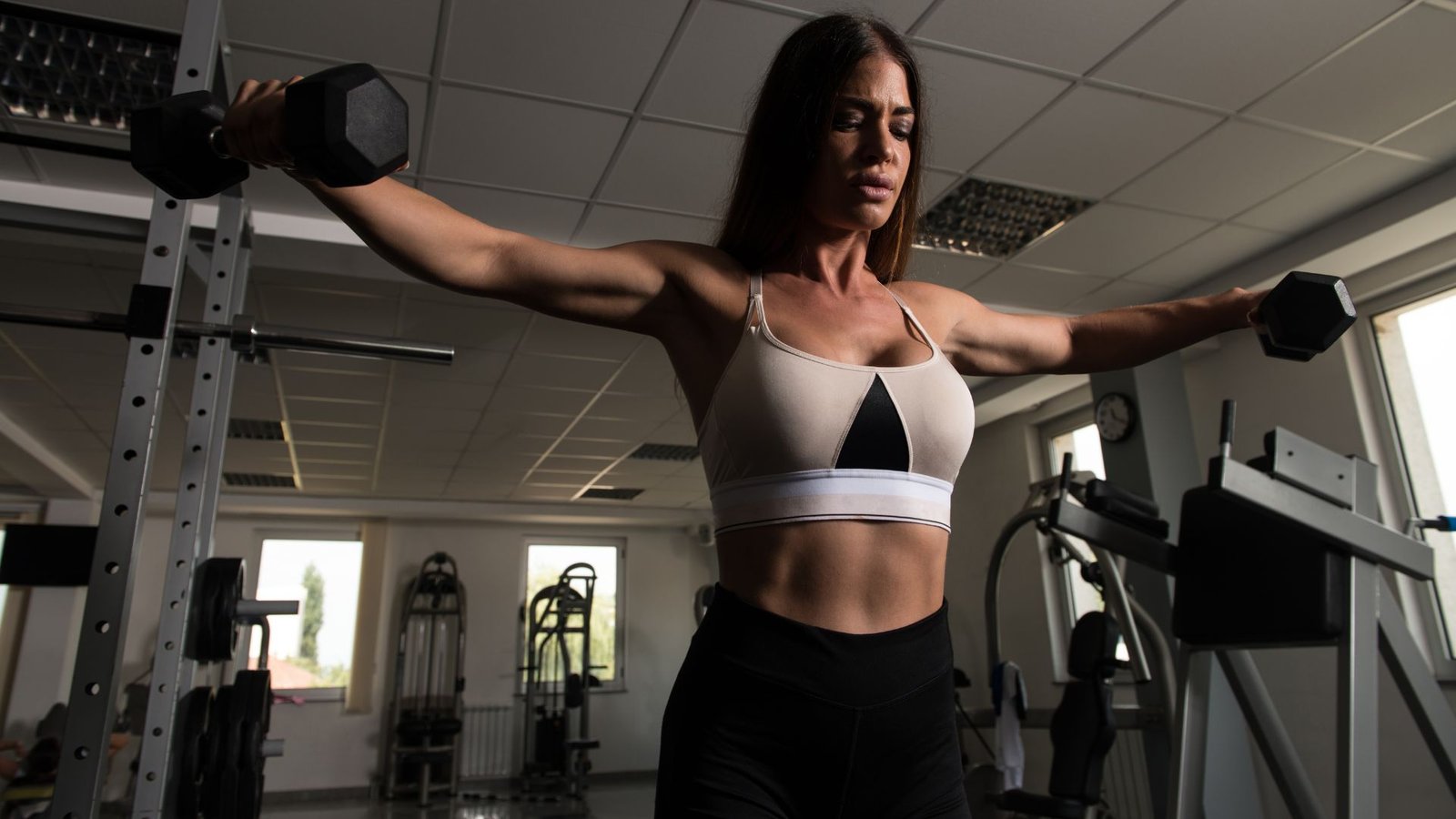
Shoulders: Dumbbell shoulder press and lateral raises
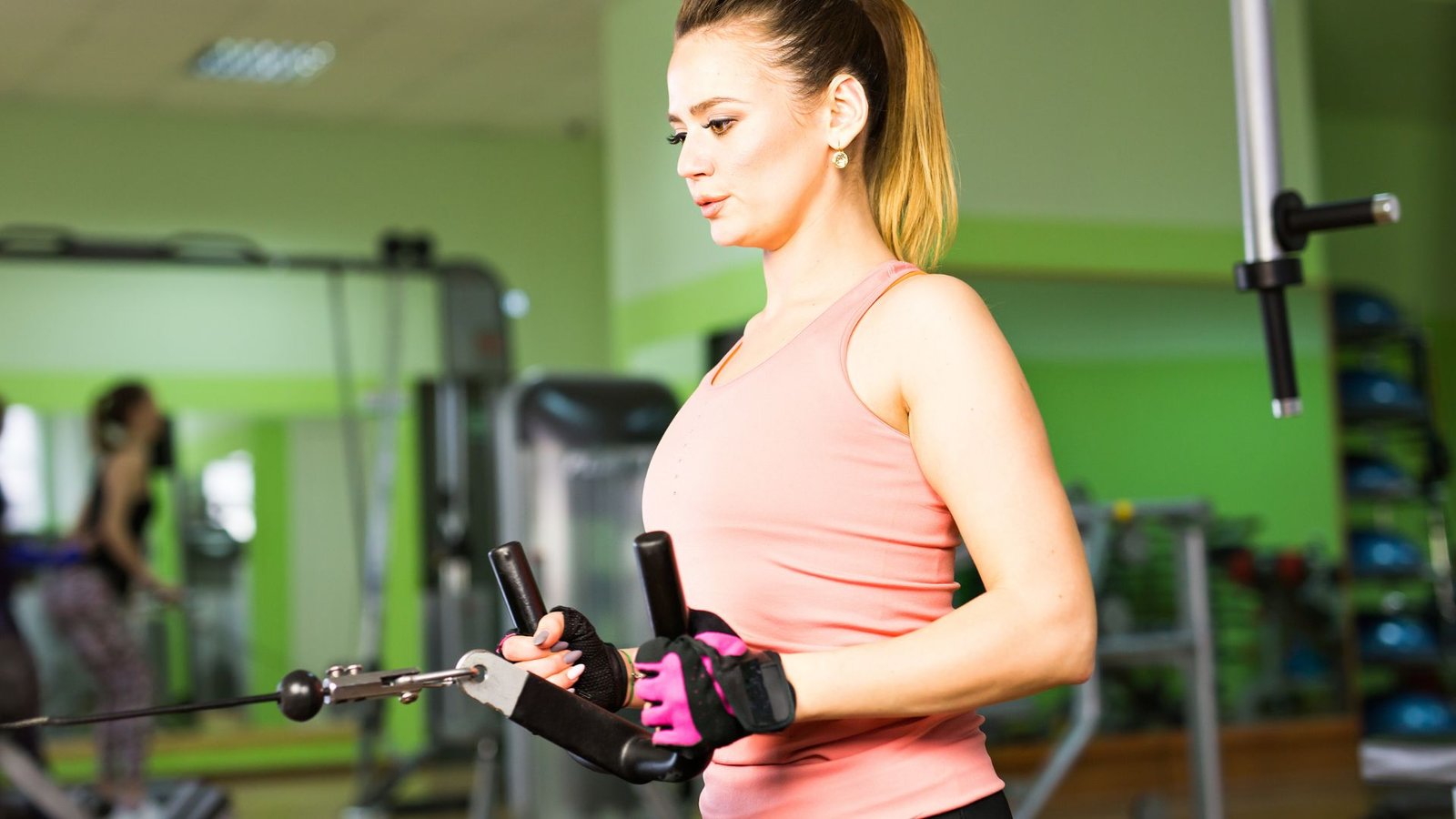
Arms: Bicep curls and overhead triceps extensions
Legs: Goblet squats, lunges, and Romanian deadlifts
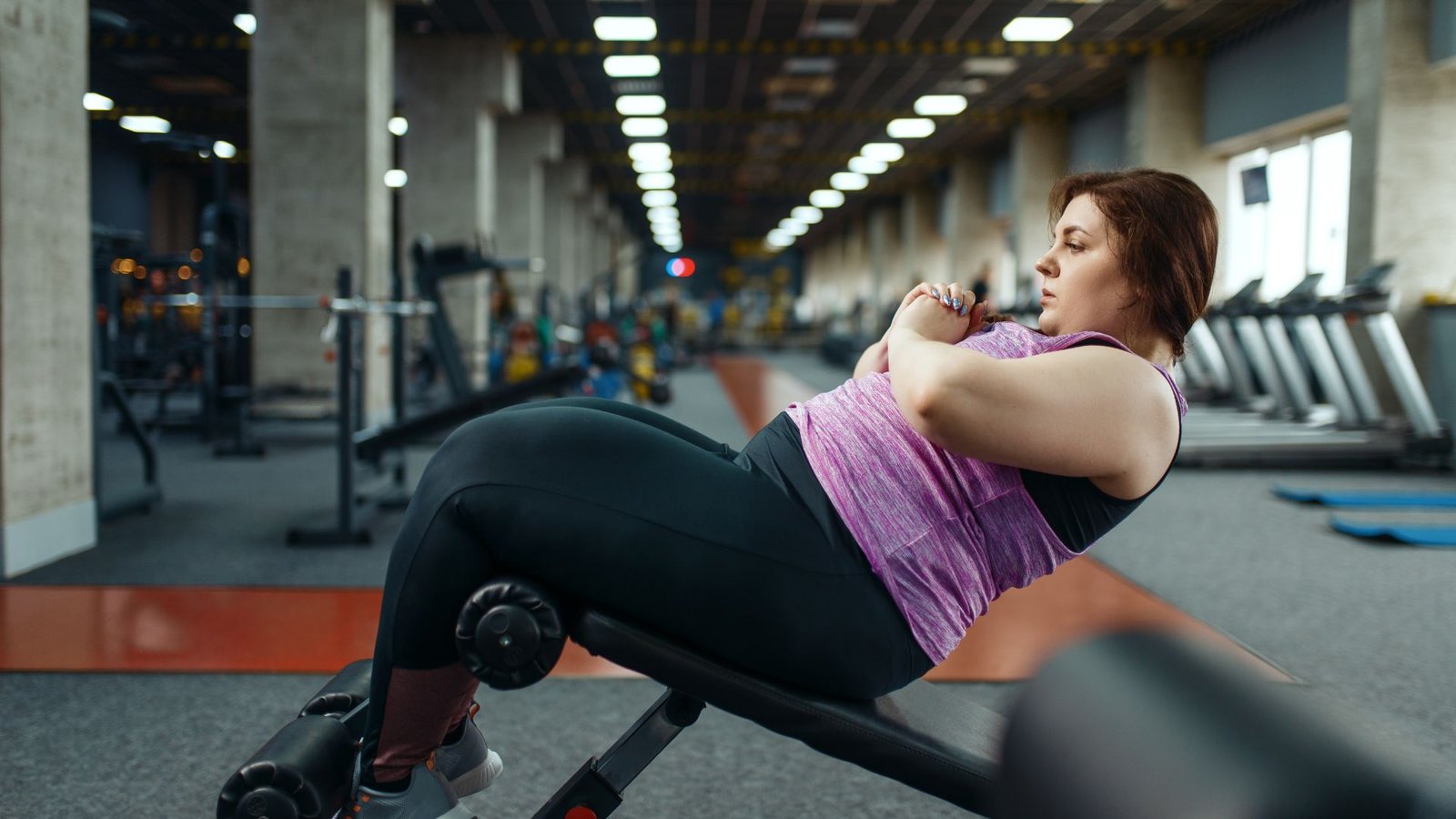
Core: Weighted sit-ups, farmer’s carries, and planks
By training your full body, you improve overall strength, posture, and movement quality.
Tips for Getting the Most Out of Your Beginner Gym Workouts
Before starting your routine, keep these basics in mind:
- Begin with light weights and prioritize form
- Move slowly and with control
- Rest 60 seconds between sets
- Warm up for 5–10 minutes before lifting
- Increase weight gradually as exercises become easier
Consistency matters far more than lifting heavy. Showing up regularly and practicing proper technique will deliver better results than pushing too hard too soon.
Sample Weekly Dumbbell Routine for Beginners (Gym-Based)
Here’s a simple gym-based program you can follow. Aim for 2–3 sets of each exercise and adjust repetitions based on your comfort level.
| Day | Focus | Exercises | Duration |
|---|---|---|---|
| Monday | Upper Body | Dumbbell bench press, bent-over rows, shoulder press, bicep curls | 35–45 minutes |
| Tuesday | Lower Body | Goblet squats, walking lunges, Romanian deadlifts, calf raises | 35–45 minutes |
| Wednesday | Rest or light cardio | Treadmill walking or cycling | 20–30 minutes |
| Thursday | Full Body | Squats, single-arm rows, shoulder press, triceps extensions | 35–45 minutes |
| Friday | Core + Arms | Farmer’s carries, hammer curls, overhead triceps, weighted sit-ups | 30–40 minutes |
| Saturday | Optional cardio or mobility | Light cardio or stretching | 20 minutes |
| Sunday | Rest | — | — |
Take your time between exercises and focus on quality movement. As you gain confidence, you can increase weights or add an extra set.
How a Dumbbell Routine for Beginners Builds Muscle and Burns Fat
A consistent dumbbell routine for beginners helps you build lean muscle while supporting fat loss. Strength training raises your metabolism by increasing muscle mass, which means your body burns more calories even at rest.
When combined with moderate rest periods, dumbbell workouts also elevate your heart rate, providing a cardiovascular benefit alongside strength gains. Over time, this leads to better body composition, increased energy, and improved athletic performance.
You’ll also notice everyday activities becoming easier, from carrying groceries to climbing stairs.
Staying Motivated in the Gym
Everyone starts somewhere. Focus on your own progress instead of comparing yourself to others. Track your workouts, note your weights, and celebrate small wins like completing all your sessions for the week.
Set realistic goals and remind yourself why you began. Building strength takes time, but each workout moves you forward.
Most importantly, enjoy the process. Confidence grows with every session.
Final Thoughts
A dumbbell routine for beginners is one of the most effective ways to start your fitness journey in the gym. With simple exercises, steady progression, and consistent effort, you can build strength, improve mobility, and gain confidence in your workouts.
Start light, stay patient, and trust the process.
Ready to begin your dumbbell routine for beginners at the gym?
Try the sample program above and commit to your first week today. If you’d like personalized coaching or a custom training plan, reach out now and let us help you build strength safely and effectively. Your fitness journey starts today.