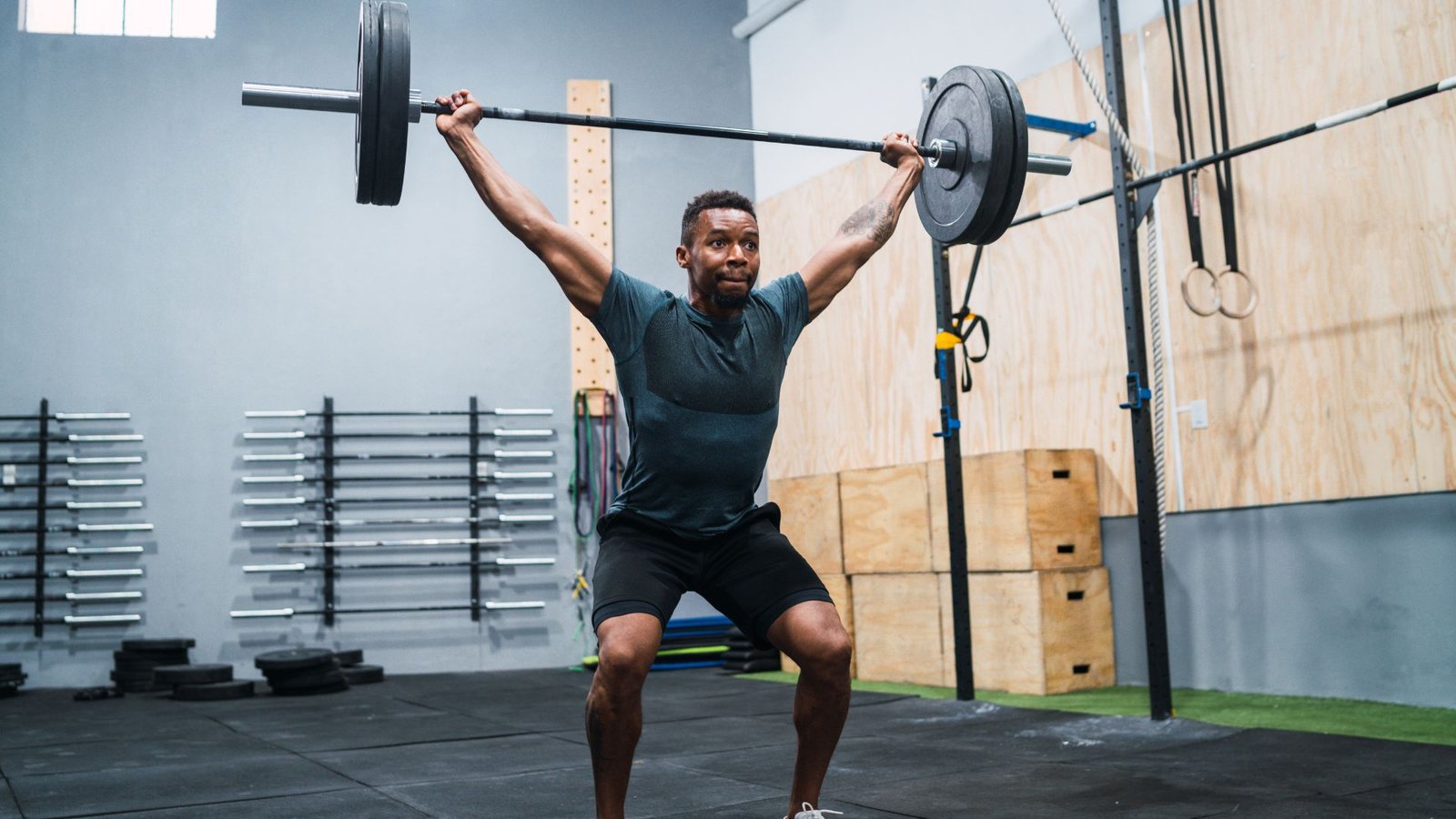
Do strength training burn calories? The short answer is yes—and it’s one of the most effective ways to support fat loss while building lean muscle. If you’re trying to lose weight, improve your fitness, or boost your metabolism, strength training can play a powerful role in your routine.
For busy adults balancing work, family, and health goals, understanding how strength training works can help you make smarter, more efficient choices in your workouts.
What Is Strength Training?
Strength training, also known as resistance training, involves exercises designed to improve muscle strength and endurance by working against resistance. This resistance can come from:
- Free weights (dumbbells, barbells)
- Resistance bands
- Machines
- Bodyweight exercises (push-ups, squats)
Unlike cardio workouts that primarily focus on burning calories during the activity, strength training delivers both immediate and long-term benefits.
Do Strength Training Burn Calories?
Yes, strength training does burn calories—both during and after your workout.
Here’s how:
1. Calories Burned During Exercise
While lifting weights or performing resistance exercises, your body uses energy (calories) to fuel muscle contractions. The number of calories burned depends on:
- Intensity of the workout
- Duration
- Muscle groups involved
- Your body weight and fitness level
2. Afterburn Effect (EPOC)
Strength training increases something called Excess Post-Exercise Oxygen Consumption (EPOC), also known as the “afterburn effect.”
This means your body continues to burn calories even after your workout ends as it recovers and repairs muscle tissue.
3. Increased Muscle Mass
Muscle tissue is metabolically active. The more muscle you have, the more calories your body burns at rest. Over time, strength training boosts your resting metabolism.
Strength Training vs Cardio: Which Burns More Calories?
Both forms of exercise are valuable, but they work differently.
Cardio
- Burns more calories during the workout
- Great for heart health
- Examples: running, cycling, swimming
Strength Training
- Burns fewer calories during the workout
- Burns more calories after the workout
- Builds muscle and improves metabolism
Best Approach
For optimal results, combine both:
- 2–4 days of strength training per week
- 2–3 days of cardio
This balanced approach supports fat loss, muscle growth, and overall health.
How Many Calories Does Strength Training Burn?
The number varies depending on the person and workout style.
Estimated Calorie Burn (Per 30 Minutes)
- Light strength training: 90–120 calories
- Moderate intensity: 120–180 calories
- High intensity (circuit training): 180–300+ calories
Compound exercises (like squats and deadlifts) burn more calories because they engage multiple muscle groups.
Best Strength Training Exercises for Burning Calories
To maximize calorie burn, focus on full-body, compound movements:
Top Exercises
- Squats
- Deadlifts
- Bench press
- Pull-ups
- Lunges
- Overhead press
Why These Work
These exercises:
- Engage multiple muscles
- Increase heart rate
- Improve functional strength
How to Maximize Calorie Burn with Strength Training
1. Use Compound Movements
Work multiple muscle groups at once to increase efficiency.
2. Reduce Rest Time
Shorter rest periods keep your heart rate elevated.
3. Increase Intensity
Use heavier weights or more repetitions to challenge your muscles.
4. Try Circuit Training
Perform exercises back-to-back with minimal rest.
5. Stay Consistent
Consistency is key to seeing results over time.
Step-by-Step Beginner Strength Training Plan
If you’re just starting, here’s a simple weekly structure:
Day 1: Full Body
- Squats – 3 sets
- Push-ups – 3 sets
- Rows – 3 sets
Day 2: Rest or Cardio
Day 3: Full Body
- Lunges – 3 sets
- Shoulder press – 3 sets
- Plank – 3 sets
Day 4: Rest
Day 5: Full Body
- Deadlifts – 3 sets
- Bench press – 3 sets
- Core exercises – 3 sets
Common Mistakes to Avoid
- Skipping warm-ups
- Using poor form
- Lifting too light or too heavy
- Not progressing over time
- Ignoring recovery and rest days
Avoiding these mistakes helps prevent injury and improves results.
FAQ
Yes, but differently. Cardio burns more calories during the workout, while strength training burns calories both during and after through the afterburn effect.
Absolutely. Strength training builds muscle, boosts metabolism, and supports long-term fat loss.
Aim for 2–4 sessions per week, depending on your fitness level and goals.
Yes. Beginners can start with bodyweight exercises and gradually add resistance.
No. Building significant muscle mass takes time and specific training. Most people will simply become leaner and stronger.
Conclusion
So, do strength training burn calories? Yes—and it’s one of the most effective ways to transform your body, improve your metabolism, and support long-term fitness goals. By combining strength training with proper nutrition and consistency, you can achieve sustainable results that go far beyond just burning calories.
Ready to Burn More Calories and Build Strength?
If you’re ready to take your fitness to the next level, Personal Training St. George offers expert guidance, personalized programs, and accountability to help you reach your goals faster.
Whether you want to lose weight, build muscle, or improve overall health, working with a professional trainer ensures you stay on track and get real results.
Start your transformation today—contact us now and take the first step toward a stronger, healthier you!