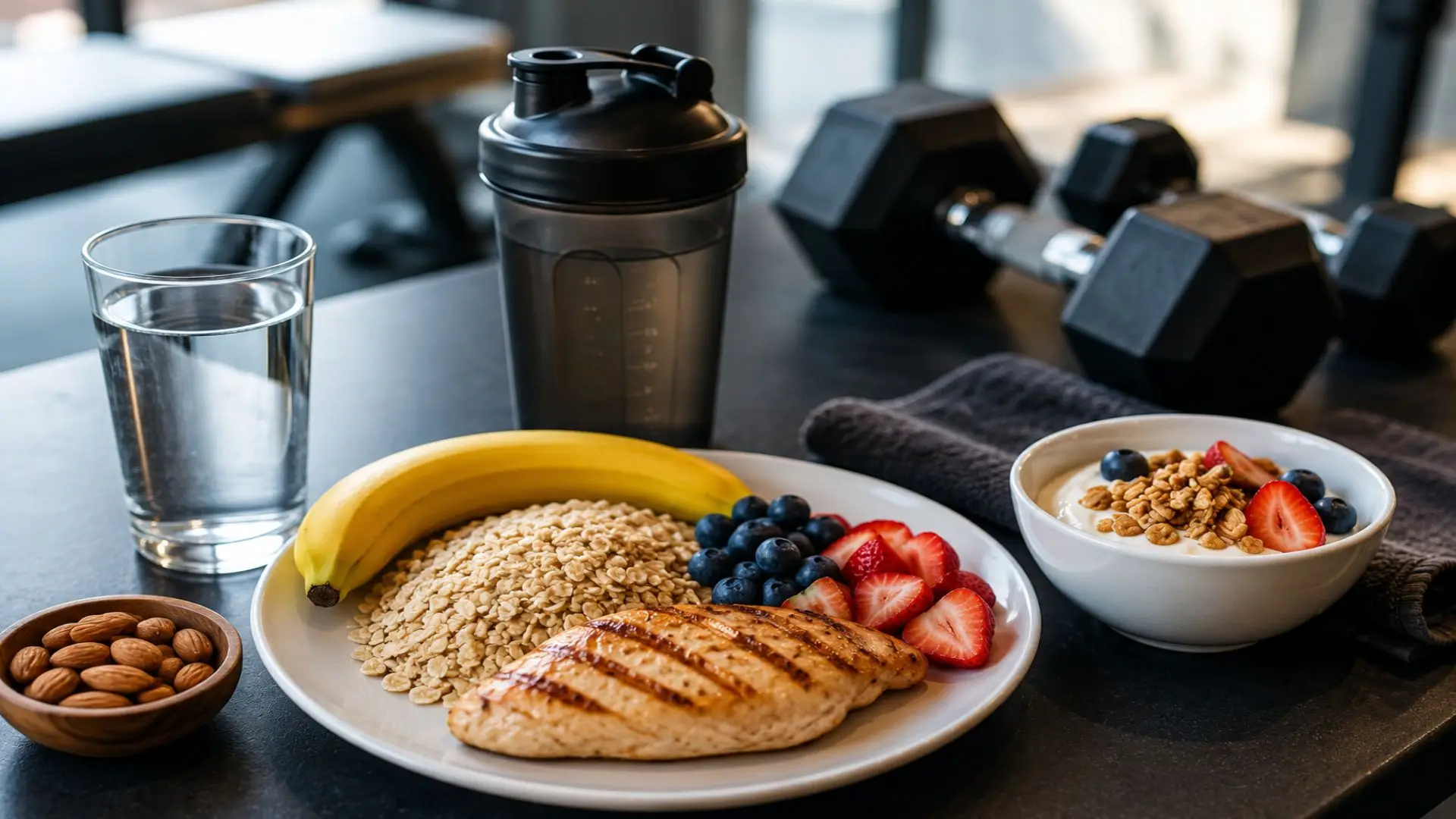
Building stronger, more defined arms is one of the most common fitness goals. Whether you want bigger biceps, more sculpted triceps, or improved overall upper-body strength, you have probably wondered how often you should do weight training exercises arms to see real results.
The answer depends on several factors, including your experience level, total workout volume, recovery ability, and overall training split. Training too little can slow progress, while training too often can lead to fatigue and even injury. Finding the right balance is the key to long-term muscle growth and strength gains.
Let’s break it down in a practical and easy-to-follow way.
Understanding Arm Muscle Recovery
When you perform weight training exercises arms, you create microscopic tears in the muscle fibers. This is a normal part of strength training. During recovery, your body repairs these fibers, making them stronger and larger.
Most people need at least 48 hours of recovery before training the same muscle group again. Without proper rest, muscles cannot fully rebuild, which may stall progress or increase the risk of joint strain, especially in the elbows.
Recovery is just as important as the workout itself.
Ideal Frequency for Beginners
If you are new to resistance training, performing weight training exercises arms 2 times per week is usually sufficient.
Beginners often overlook that arm muscles are already involved in many compound movements such as:
Bench press (triceps)
Push-ups (triceps)
Pull-ups (biceps)
Rows (biceps)
Because your arms are being stimulated indirectly, you do not need to isolate them every day. Two focused sessions per week allow enough stimulus for growth while giving your body time to recover.
Intermediate and Advanced Training Frequency
As your training experience increases, your muscles adapt and may require slightly more volume for continued growth.
Intermediate lifters often benefit from training arms 2 to 3 times per week. This does not mean doing endless curls every day. Instead, it means spreading your weight training exercises arms strategically throughout your weekly routine.
For advanced lifters, arm training may be incorporated into push-pull splits or upper-lower splits, where arms are stimulated multiple times with controlled volume.
The key is managing total weekly sets rather than just counting training days.
How Much Volume Is Enough?
Frequency alone does not determine success. Total weekly volume plays a critical role.
For muscle growth, aim for:
10 to 20 total sets per week per muscle group
Moderate to challenging weight
8 to 15 repetitions per set
Gradual progressive overload
If you train arms twice weekly, this might mean 5 to 8 sets for biceps and triceps per session. If training three times weekly, reduce sets per session to prevent overtraining.
Quality sets matter more than quantity.
Sample Weekly Arm Training Program
Here is a balanced example plan that includes weight training exercises arms while allowing proper recovery:
| Day | Workout Focus | Arm Training Volume |
|---|---|---|
| Monday | Chest & Triceps | 5–6 tricep sets |
| Tuesday | Back & Biceps | 5–6 bicep sets |
| Wednesday | Rest or Active Recovery | — |
| Thursday | Shoulders & Arms | 4–6 total arm sets |
| Friday | Legs | Indirect activation |
| Saturday | Optional Light Arm Finisher | 3–4 pump sets |
| Sunday | Rest | — |
This structure allows 2–3 sessions of weight training exercises arms while maintaining recovery balance.
Signs You Are Training Arms Too Often
Doing weight training exercises arms too frequently can lead to:
Persistent soreness
Elbow or wrist discomfort
Decreased strength
Plateau in muscle growth
General fatigue
If you notice these signs, reduce your weekly volume or add more rest days.
Listening to your body is essential for long-term progress.
Balancing Compound and Isolation Exercises
Compound movements should remain the foundation of your routine. Exercises like bench presses and pull-ups already stimulate your arms significantly.
Direct weight training exercises arms should focus on isolation movements such as:
Barbell or dumbbell curls
Hammer curls
Cable curls
Tricep pushdowns
Skull crushers
Overhead tricep extensions
Combining compound lifts with focused arm work produces optimal growth.
The Role of Nutrition and Sleep
Muscle growth depends heavily on recovery factors outside the gym.
To maximize results:
Consume adequate protein (0.7–1 gram per pound of body weight)
Stay hydrated
Get 7–9 hours of quality sleep per night
Manage stress levels
If recovery is compromised, even perfectly planned weight training exercises arms may not deliver desired results.
Should You Train Arms Every Day?
Daily arm training is generally not recommended for most people. While short, light pump sessions occasionally may be safe, consistent daily loading can increase joint strain and slow progress.
Instead, focus on structured, intentional sessions with recovery built into your weekly plan.
Consistency over time produces far better results than overtraining.
Build Stronger Arms with a Smart Plan
There is no universal answer to how often you should do weight training exercises arms. However, most people thrive on 2–3 focused sessions per week combined with compound lifting and proper recovery.
Start Structuring Your Arm Workouts for Real Growth
If you want noticeable arm strength and size gains, commit to a balanced weekly plan. Track your sets, prioritize recovery, and gradually increase resistance over time.
Train consistently, fuel your body properly, and give your muscles the rest they need. With a smart approach to weight training exercises arms, stronger and more defined arms are absolutely within reach.