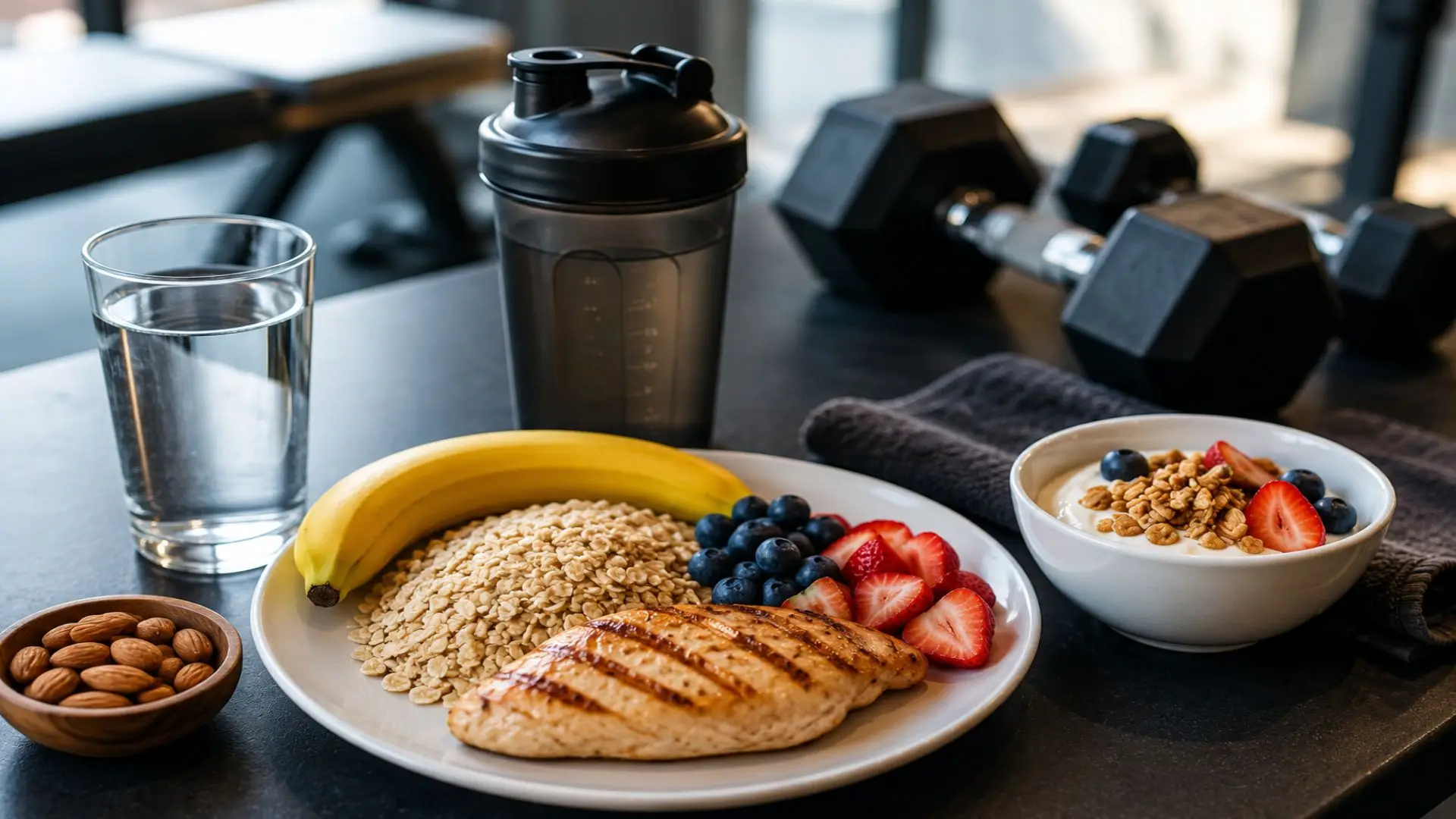
Visceral fat is not just the extra padding around your waist. It is the deep abdominal fat stored around your internal organs, and it can significantly impact your long-term health. Unlike subcutaneous fat, which sits just under the skin, visceral fat increases the risk of heart disease, type 2 diabetes, and metabolic disorders.
If you want to Get Rid of Visceral Fat, the approach should be natural, sustainable, and safe. Extreme dieting and overtraining often do more harm than good. Instead, the key lies in consistent lifestyle changes that support long-term fat loss and overall health.
Let’s explore practical, science-backed ways to reduce visceral fat effectively.
Why Visceral Fat Is a Serious Health Concern
Visceral fat is metabolically active, meaning it releases inflammatory substances and hormones that interfere with insulin function. Over time, this can increase blood sugar levels, blood pressure, and cholesterol.
The dangerous part is that you cannot always see it. Someone may look average on the outside but still carry high levels of internal fat. That is why learning how to Get Rid of Visceral Fat is about improving health, not just appearance.
Reducing this type of fat improves energy levels, hormonal balance, and cardiovascular health.
Improve Your Diet to Target Visceral Fat
Nutrition plays the biggest role in reducing deep belly fat. You do not need a crash diet. Instead, focus on balanced and nutrient-dense meals.
Increase Protein Intake
Protein helps preserve muscle mass while promoting fat loss. Include lean meats, eggs, fish, Greek yogurt, legumes, and plant-based protein sources. Protein also increases satiety, helping you naturally reduce calorie intake.
Eat More Fiber
Soluble fiber slows digestion and helps regulate blood sugar. Foods like oats, vegetables, fruits, beans, and whole grains are powerful tools to Get Rid of Visceral Fat.
Reduce Refined Carbohydrates and Sugar
Sugary drinks, pastries, and highly processed foods contribute to fat storage, especially in the abdominal area. Replace them with whole-food options like brown rice, quinoa, sweet potatoes, and leafy greens.
Choose Healthy Fats
Healthy fats from olive oil, avocados, nuts, and seeds help reduce inflammation and improve hormone balance.
Small dietary changes done consistently create powerful long-term results.
Exercise Strategies That Reduce Visceral Fat
Exercise is essential if you want to Get Rid of Visceral Fat safely and effectively.
Cardiovascular Training
Moderate-intensity cardio such as brisk walking, cycling, jogging, or swimming helps burn calories and improve insulin sensitivity. Aim for at least 150 minutes per week.
Strength Training
Resistance training builds lean muscle, which increases your resting metabolic rate. The more muscle you have, the more calories you burn throughout the day.
Focus on compound movements like:
Squats
Deadlifts
Lunges
Push-ups
Rows
High-Intensity Interval Training (HIIT)
HIIT workouts combine short bursts of intense effort with recovery periods. Studies show HIIT can significantly reduce visceral fat in less time compared to steady-state cardio.
Combining strength and cardio provides the most effective fat-loss results.
Sample Weekly Program to Reduce Visceral Fat
Here is a simple, balanced plan you can follow:
| Day | Activity | Duration |
|---|---|---|
| Monday | Full-Body Strength Training | 45 minutes |
| Tuesday | Brisk Walking or Cycling | 30–40 minutes |
| Wednesday | Core & Light Cardio | 30 minutes |
| Thursday | HIIT Workout | 20–25 minutes |
| Friday | Strength Training (Upper Body) | 40 minutes |
| Saturday | Moderate Cardio | 30 minutes |
| Sunday | Rest & Recovery | — |
This routine balances calorie burn, muscle growth, and proper recovery.
Sleep and Stress Management Matter
Many people struggle to Get Rid of Visceral Fat because they overlook recovery and stress.
Prioritize Quality Sleep
Lack of sleep increases cortisol, a stress hormone linked to abdominal fat storage. Aim for 7–9 hours of quality sleep per night.
Manage Stress Levels
Chronic stress keeps cortisol elevated, making fat loss more difficult. Activities like walking outdoors, deep breathing exercises, stretching, or journaling can significantly reduce stress.
When sleep and stress are controlled, fat loss becomes easier and more sustainable.
How Long Does It Take to See Results?
With consistent effort, you may begin noticing changes in 4–8 weeks. Losing just 5–10 percent of your body weight can significantly reduce visceral fat levels and improve metabolic health markers.
Avoid extreme calorie deficits. Gradual weight loss of 1–2 pounds per week is safer and more sustainable.
Remember, the goal is not just to Get Rid of Visceral Fat quickly, but to maintain long-term health.
Common Mistakes to Avoid
Relying only on abdominal exercises
Skipping strength training
Following extreme fad diets
Ignoring sleep quality
Overtraining without recovery
There is no shortcut to lasting fat loss. Consistency always wins.
Start Your Safe Visceral Fat Reduction Plan Today
Reducing visceral fat is one of the best investments you can make in your health. It improves heart health, stabilizes blood sugar, increases energy, and boosts confidence.
Take the First Step Toward a Healthier Body
If you are ready to Get Rid of Visceral Fat naturally and safely, begin by making small, consistent changes today. Focus on balanced meals, structured workouts, quality sleep, and stress management.
Commit to steady progress instead of perfection. With patience and discipline, you can transform your health from the inside out and enjoy lasting results.