Finding the best exercise routine can feel overwhelming with so many workout plans promising fast results. The truth is, the best routine isn’t about extreme training or complicated schedules. It’s about balance, consistency, and choosing exercises that support your goals while fitting into your lifestyle.
A well-designed exercise routine should help you build strength, improve endurance, burn fat, and stay injury-free. Whether you’re a beginner or someone getting back into training, following a structured plan makes progress easier and more sustainable.
What Makes the Best Exercise Routine?
The best exercise routine focuses on full-body development rather than isolating one fitness goal. It combines strength training, cardiovascular exercise, and recovery to create a program that works with your body, not against it.
An effective routine should be:
Easy to follow
Flexible with scheduling
Focused on compound movements
Progressive over time
When these elements come together, workouts become more productive and results more noticeable.
Strength Training as the Foundation
Strength training is a core component of the best exercise routine. Lifting weights or using bodyweight resistance builds muscle, strengthens joints, and improves overall performance.
Compound exercises such as squats, push-ups, rows, lunges, and presses activate multiple muscle groups at once. This leads to higher calorie burn and better strength development compared to isolated movements.
Strength training also supports long-term fat loss by maintaining lean muscle mass, which helps keep your metabolism active even at rest.
Cardiovascular Training for Heart Health and Fat Loss
Cardio plays an important role in any balanced exercise routine. It improves heart health, endurance, and calorie expenditure. However, it works best when combined with strength training rather than replacing it.
Steady-state cardio like walking or cycling is excellent for beginners and recovery days. Shorter, more intense cardio sessions can be added as fitness improves, but they should not compromise recovery.
The best exercise routine includes cardio that feels sustainable and enjoyable, making it easier to stay consistent.
Recovery and Consistency Matter More Than Intensity
One of the most overlooked parts of the best exercise routine is recovery. Rest days allow muscles to repair and grow while reducing the risk of burnout or injury.
Training harder doesn’t always mean better results. Progress comes from consistency over weeks and months, not pushing to exhaustion every session. A routine that respects recovery is far more effective long term.
Sample Best Exercise Routine Program
| Day | Focus | Exercises | Duration |
|---|---|---|---|
| Monday | Full Body Strength | Squats, Push-Ups, Dumbbell Rows, Plank | 45 minutes |
| Tuesday | Cardio | Brisk Walking or Cycling | 30–40 minutes |
| Wednesday | Upper Body | Bench Press, Shoulder Press, Lat Pulldown, Core | 40–45 minutes |
| Thursday | Active Recovery | Mobility, Stretching, Light Movement | 20–30 minutes |
| Friday | Lower Body | Lunges, Deadlifts, Step-Ups, Glute Work | 45 minutes |
| Saturday | Optional Conditioning | Light Cardio or Circuit Training | 20–30 minutes |
| Sunday | Rest | Full Recovery | — |
This sample routine works well for most fitness levels and can be adjusted by changing weights, repetitions, or rest times.
Nutrition Supports the Best Exercise Routine
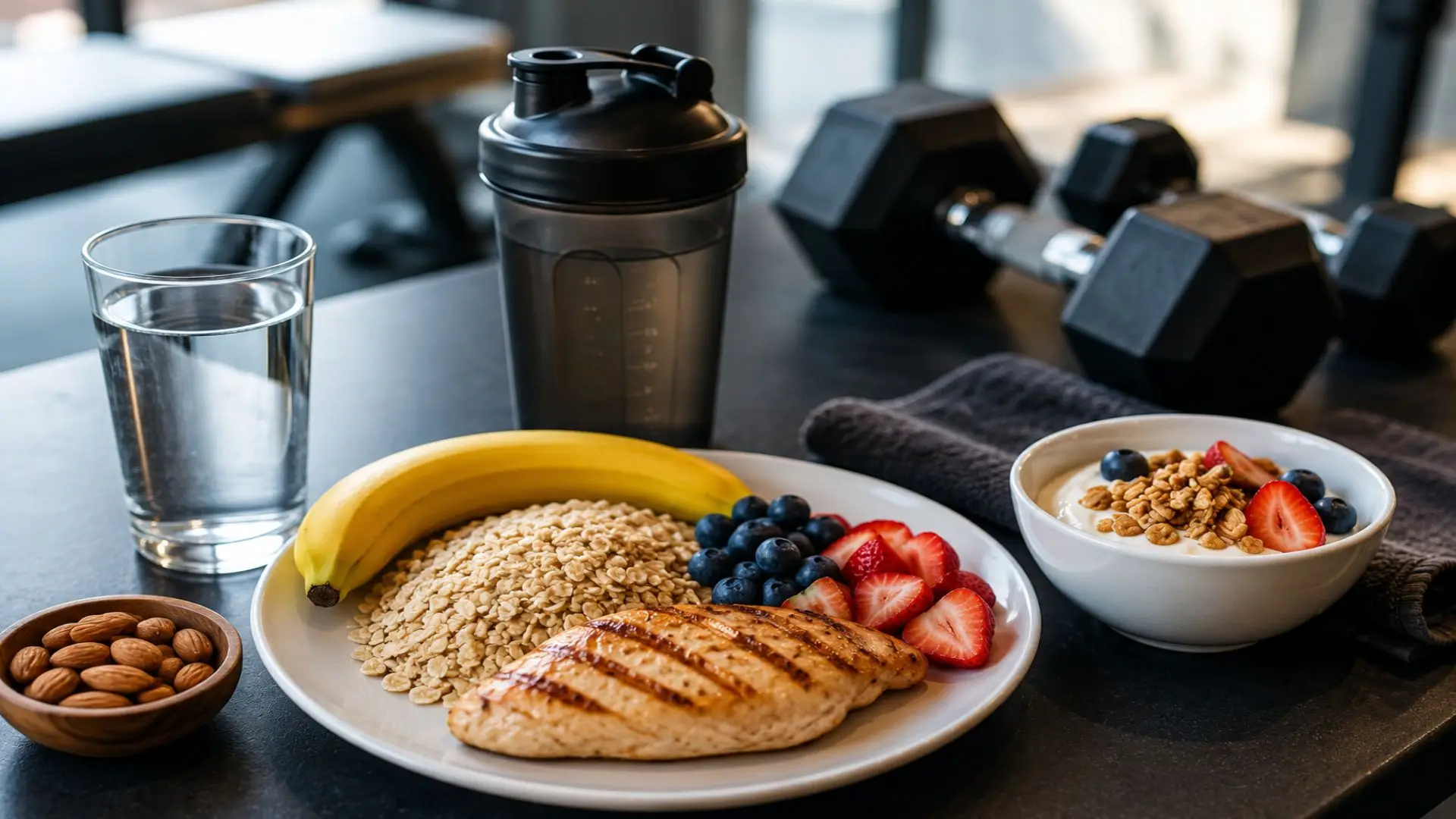
No exercise routine delivers optimal results without proper nutrition. Food fuels workouts, supports recovery, and plays a major role in body composition changes.
A balanced diet with enough protein, carbohydrates, and healthy fats supports muscle repair and energy levels. Extreme diets often slow progress and reduce training performance.
Hydration and sleep are equally important. Poor sleep can negatively affect strength, recovery, and motivation.
Common Mistakes That Hold People Back
Many people struggle to see results because they:
Change routines too often
Skip strength training
Ignore recovery days
Focus only on weight loss
The best exercise routine is one you can follow consistently without feeling overwhelmed or burned out.
Adapting the Routine as You Progress
As your fitness improves, your exercise routine should evolve. This may include increasing resistance, adjusting training volume, or introducing new exercises to keep workouts effective and engaging.
Tracking progress helps identify what’s working and where adjustments are needed. Small improvements over time lead to lasting results.
Start the Best Exercise Routine Today
If you’re ready to commit to the best exercise routine for your goals, now is the perfect time to start. A structured, balanced program can help you build strength, improve fitness, and stay consistent without confusion. For personalized workout plans and expert support designed around your lifestyle, take the next step today and start training with confidence.